Roasted Potatoes with Preserved Lemon

fullsizeoutput_bc91.jpg

Recently I wrote an article for the Jewish Week Food & Wine about preserved lemons. You can find the article and the recipe here.

So. What to do with all the preserved lemons I now have!

I’ve used them on chicken — classic Moroccan dish. Delicious.

I’ve placed some under fish that I baked. Merveilleux!

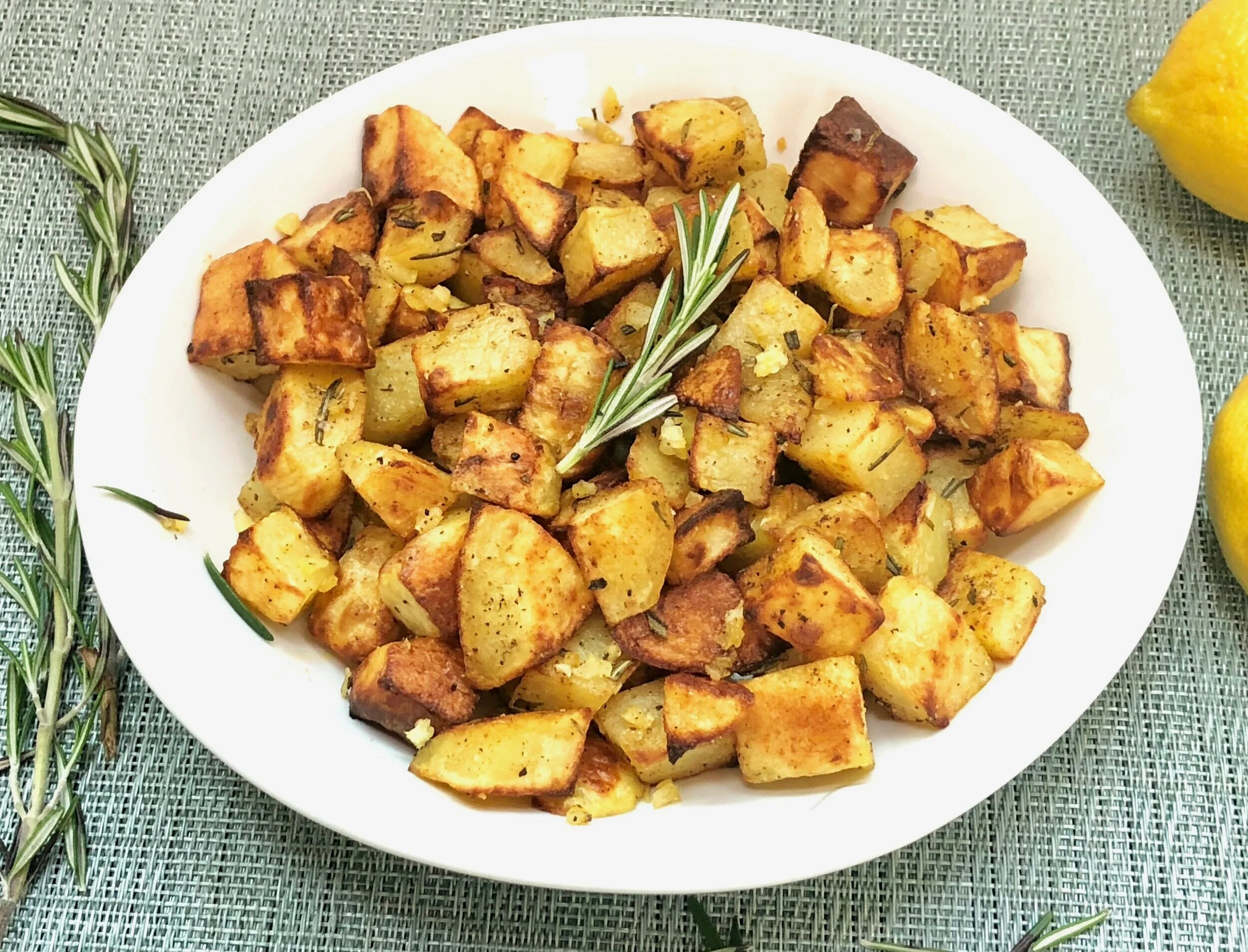
But I have to say — with potatoes! Beyond awesome.

These:

Roasted Potatoes with Preserved Lemons and Rosemary 

  • 4 medium all-purpose potatoes, peeled and cut into small cubes

  • 2 tablespoons olive oil

  • Kosher salt and freshly ground black pepper to taste

  • Paprika

  • 2 teaspoons chopped fresh rosemary

  • 2 tablespoons finely chopped preserved lemon

Preheat the oven to 425 degrees F. Line a baking sheet with parchment paper. Place the potato cubes on the parchment paper. Pour the olive oil over the potatoes and toss to coat each cube. Sprinkle with salt, pepper, paprika and rosemary. Roast for 15 minutes. Toss the potatoes and continue to roast for another 12-15 minutes. Sprinkle with the lemon. Return to the oven for a minute to heat the lemon. Serve immediately.

Makes 4 servings


Vegetable Pie

fullsizeoutput_be3e.jpeg

Everyone who knows me or reads my blog or articles knows that I can’t stand wasting food. I make it my mission to at least try to use everything wisely, including all leftovers.

These days, during a global pandemic when certain items are scarce and it’s also difficult to shop, I’m feeling even more committed.

Fortunately I have a willing and supportive husband, who loves the idea and applauds everything I make and tells me how wonderful and creative it all is.

Last week I had an overabundance of vegetables and an extra quart of half and half. I always have cheese in the fridge.

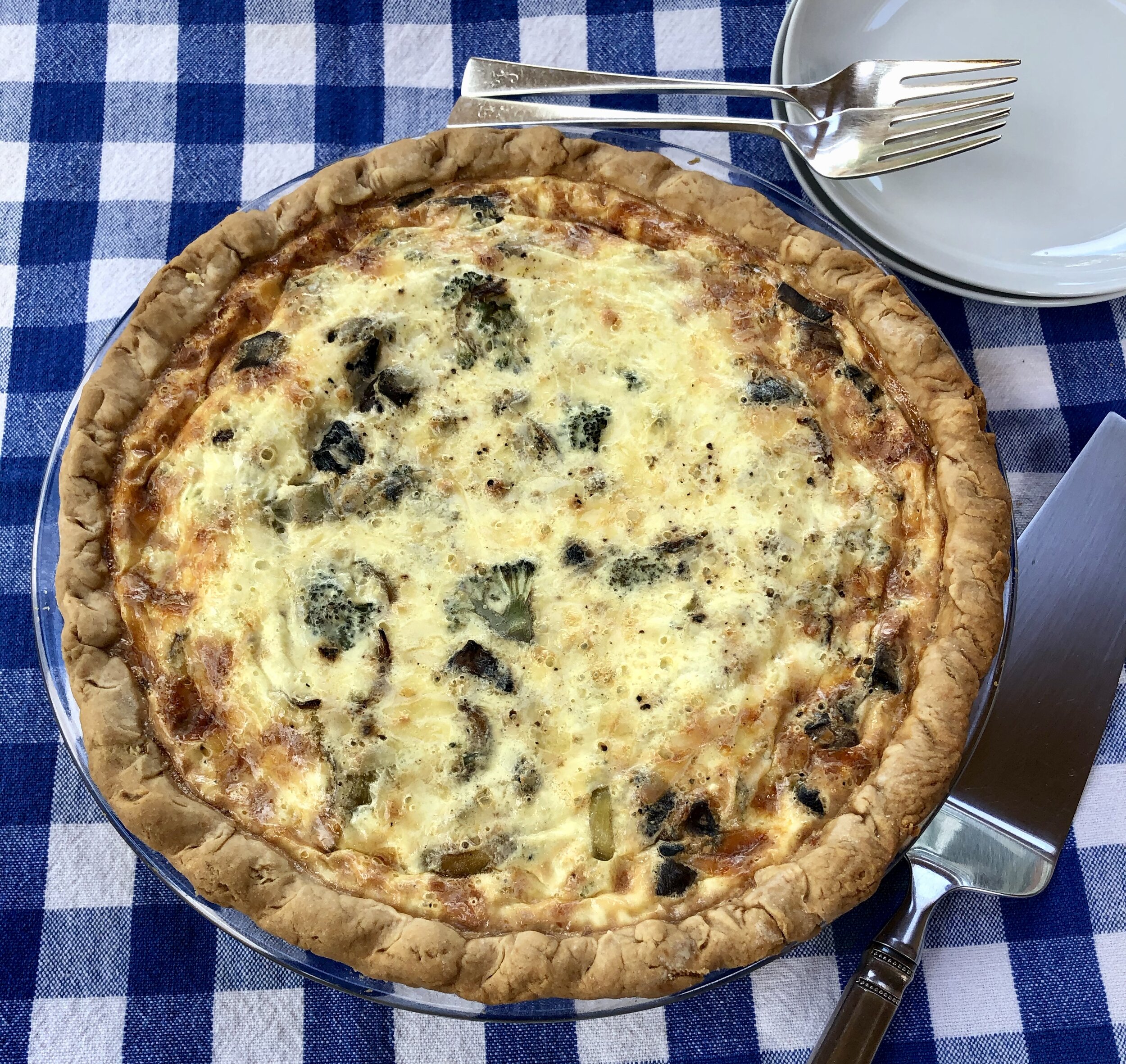
And so, I gathered up all the leftover veggies and made a vegetable pie for dinner. We had a salad with it.

It was filling and tasted wonderful and we were both happy for a day off meat.

Bonus: this recipe is extremely versatile and easy to prepare: you can use whatever vegetables you have and if you wish, a store-bought pie crust. If you prefer to make your own crust, you can find a recipe here (it makes enough dough for a two-crust pie, but you can freeze half).

Besides all that — this is a good dairy lunch or dinner during Shavuot, which begins tonight at sundown (May 28, 2020).

Vegetable Pie

  •  1 tablespoon butter

  • 1 tablespoon olive oil

  • 1 large shallot, chopped (or use one small onion or 2-3 scallions)

  • 1 medium portobello mushroom cap, cut into bite-size pieces (2 cups coarsely chopped mushrooms)

  • 1 cup chopped cooked vegetable (broccoli, string beans, carrots, etc.)

  • 1 partially baked 9-inch pie crust

  • 3 ounces grated meltable cheese (Swiss, cheddar, mozzarella, Jarslberg, etc.)

  • 4 large eggs

  • 2 cups half and half cream

  • salt and pepper to taste


Preheat the oven to 375 degrees. Heat the butter and olive oil in a sauté pan over medium heat. When the butter has melted and looks foamy, add the shallot and mushroom pieces and cook for 4-5 minutes or until the vegetables have softened. Add the cooked vegetable, mix the ingredients and place them in the pie crust. Sprinkle the cheese on top. Beat the eggs and cream together with salt and pepper to taste. Pour over the ingredients in the pie crust. Bake for 40-45 minutes or until golden brown and set.

Makes 4 servings

Simmered Strawberry Fool

IMG_3770.jpeg

This dessert may look very fancy and I placed it on a very fancy plate. 

BUT: other than serving fresh fruit as is, this is among the simplest, easiest desserts ever. And you can also serve it in a plain old dish, custard cup, individual ramekin. However you wish.

The point is, you can transform this into a festive Shavuot holiday dessert just by using a lovely serving piece. The prep is a cinch.

Most of the time a fruit fool is a simple blend of crushed fruit and whipped cream (sometimes with vanilla or another extract added). The extra step of cooking the fruit and adding Balsamic vinegar gives the dish a richer, deeper flavor. Well worth the few (less than 10) minutes of time it takes.

Strawberry Fool 

  • one pint strawberries

  • 1/2 cup sugar

  • 2 tablespoons Balsamic vinegar

  • 1/2 teaspoon cinnamon

  • 1/2 teaspoon finely grated fresh orange peel

  • 1 cup heavy cream

  • 1/2 teaspoon vanilla extract

  • Extra berries, cookie, chocolate shavings, mint leaves, etc. for garnish


Clean the strawberries, remove the stems and chop the berries into small pieces. Place the berries and sugar in a saucepan and cook over medium-high heat for 5-6 minutes, stirring frequently. Stir in the Balsamic vinegar, cinnamon and orange peel and cook for another 2-3 minutes or until the liquid is dark and syrupy. Remove from the heat and let cool. Whip the cream with the vanilla extract until thick. Fold the strawberry mixture into the whipped cream until well blended. Spoon the mixture onto dessert dishes (over berries or cookies, if desired). Garnish with berries, chocolate shavings, etc. 

Makes 6 servings
 

Lemon Oregano Roasted Chicken

fullsizeoutput_a4cf.jpeg

I bought a ton of lemons recently for an article I wrote on Preserved Lemons for the Jewish Week Food&Wine.

So I’ve been cooking lots of recipes that use lemons.

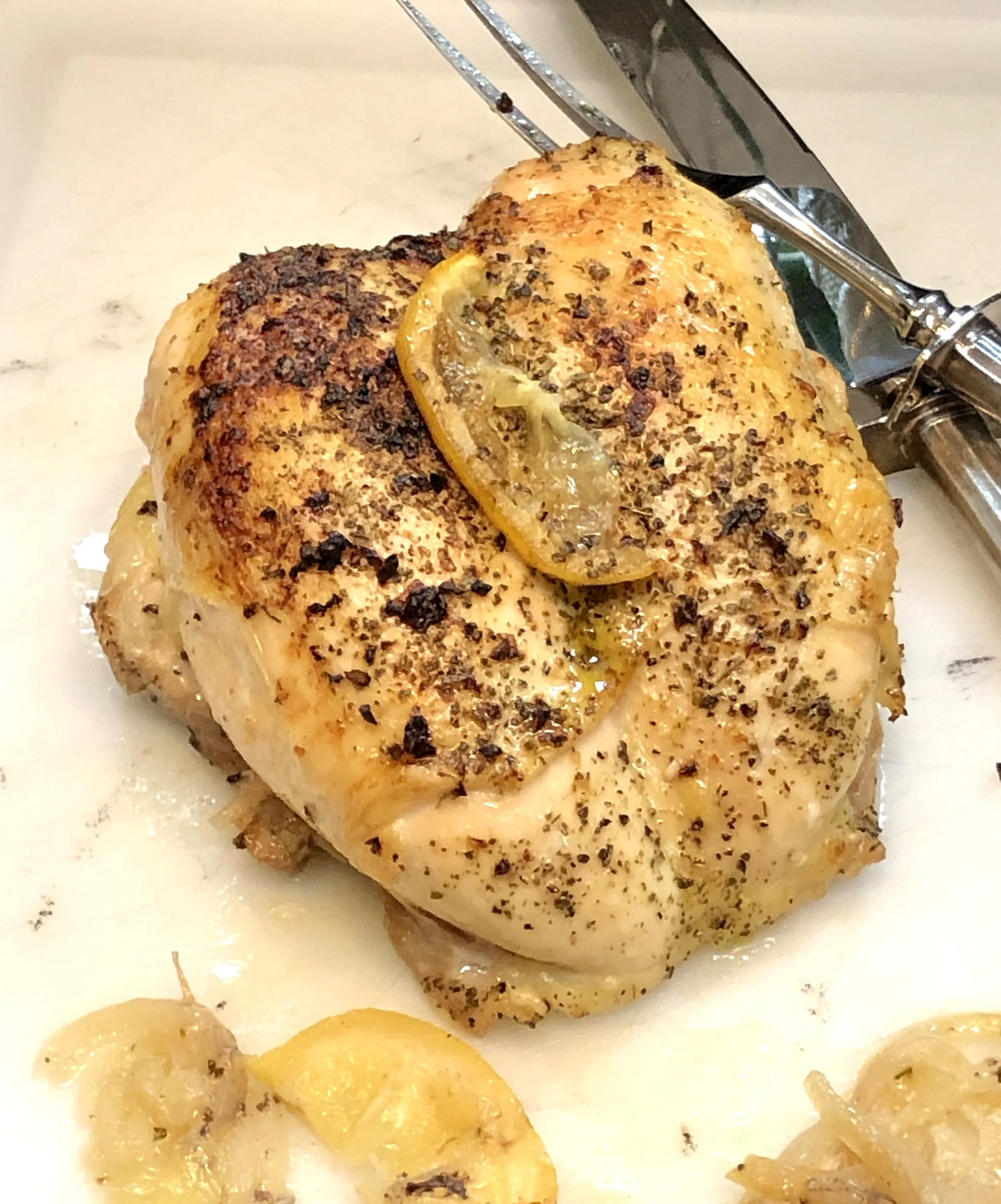
This is one of the best, easiest and least complicated: Roasted Lemon-Oregano Chicken. I used chicken breast (though you could make it with any chicken parts). The fragrance is mesmerizing. It’s tasty without needing too many ingredients. You don’t need to use salt because the lemon juice adds the right amount of tang. It’s filling but not heavy.

I serve this with plain cooked rice or mashed or baked potatoes because the roasting juices are a perfect “gravy,” no other moisturizing fat needed.

Roasted Lemon-Oregano Chicken


  • 1 large onion, sliced

  • 1 lemon, sliced

  • 2 whole bone-in chicken breasts, each about 1-1/2 pounds (or 4 whole chicken legs)

  • 2 tablespoons olive oil

  • 1 teaspoon dried oregano

  • freshly ground black pepper to taste

  • 6 tablespoons lemon juice

  • 1/4 cup white wine

  • 2 cloves garlic, finely chopped


Preheat the oven to 450 degrees. Place the onion and lemon slices in a roasting pan. Wash and dry the chicken breasts and place them on top of the onion/lemon slices. Brush the chicken with 1 tablespoon olive oil and sprinkle with the oregano and pepper to taste. Roast for 10 minutes. Combine the remaining tablespoon of olive oil, the lemon juice, white wine and garlic and pour over the chicken. Lower the oven heat to 350 degrees. Roast for another 25-30 minutes, basting occasionally, or until cooked through (a meat thermometer inserted into the thickest part of the breast will register 160 degrees). Let rest for 15 minutes before carving.

 Makes 4-6 servings


Homemade Lekvar

fullsizeoutput_bdf1.jpeg

A few days ago, while looking into my cupboard for something, I found an unopened package of prunes that had reached its "best by" date. Indeed, when I opened it, the prunes were a bit too dry for tasty snacking.

But!

I can’t throw out perfectly good food. Rather than discard, I decided to make my own lekvar (and then use it for all sorts of recipes).

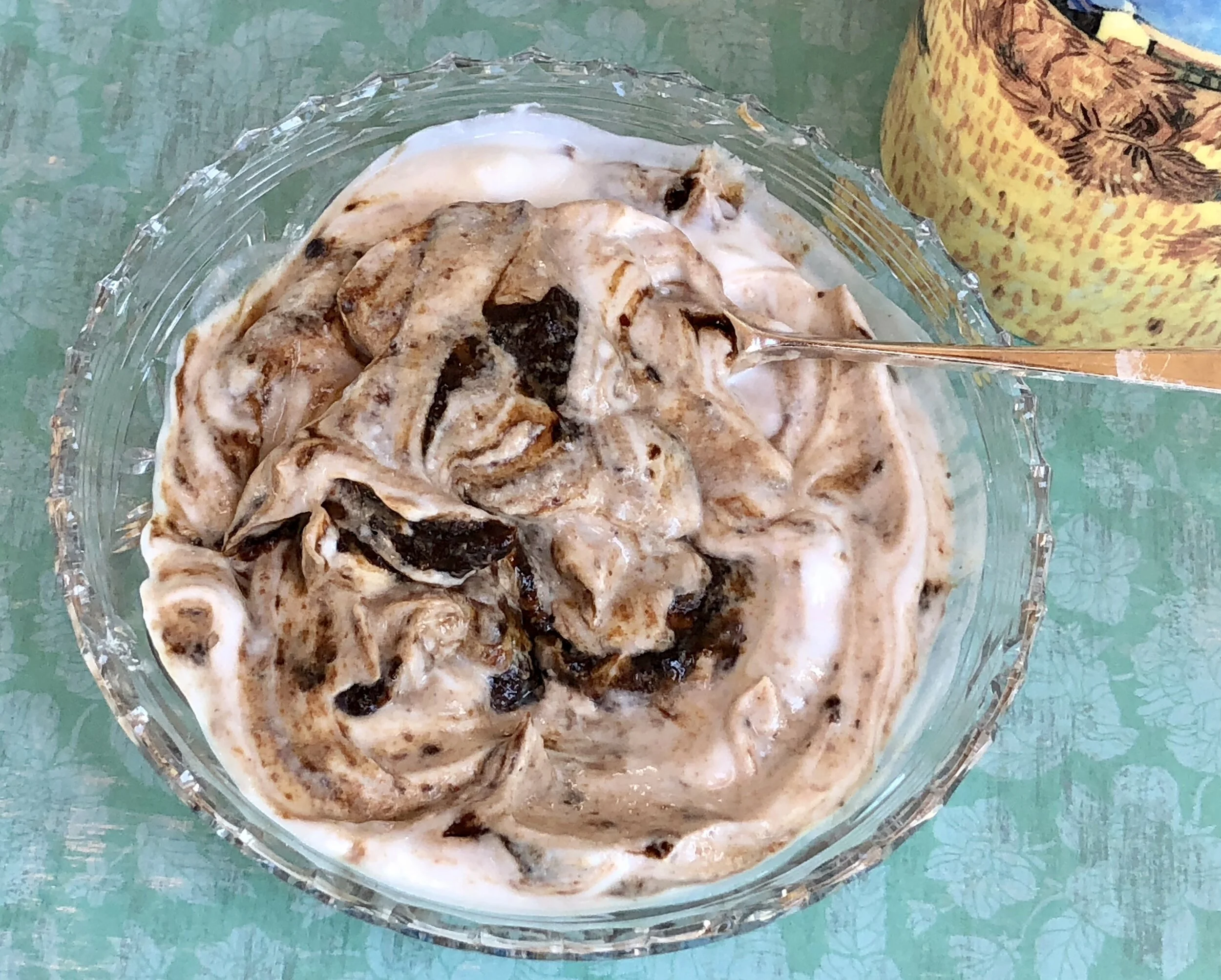
For several mornings I had some lekvar with yogurt (awesome). Just like the old days when Dannon had a perfectly wonderful prune yogurt.

I also made some of our treasured family recipe of butter cookies and used the lekvar for filling the center.

I don't ever have to buy lekvar again.

Here’s the recipe. I added fresh ginger to a portion and cooked it separately. It’s not typical for lekvar but I thought it added a good flavor. I list it as an option, but encourage you to try it too.

I’ll remember this recipe next Purim when I need to fill some homemade hamantashen.

Prune Lekvar

  • one pound pitted prunes (about 2 cups)

  • mixture or orange juice, apple juice or other fruit juice plus water (enough to cover the prunes)

  • 4 slices of peeled fresh ginger (1/4-inch thick)

  • pinch of salt

  • 5 tablespoons packed brown sugar

  • 1 tablespoon fresh lemon juice

Place the prunes in a saucepan. Add juice plus water, using enough to cover the fruit and add the ginger and salt. Bring the liquid to a boil over high heat. Lower the heat, cover the pan and simmer for about 20 minutes or until the prunes are soft. Be sure there is some liquid left in the pan; if not, add a bit more. Stir in the sugar and cook for another 5-6 minutes. Remove from the heat, stir in the lemon juice and puree using a blender hand blender.

Makes 2 cups

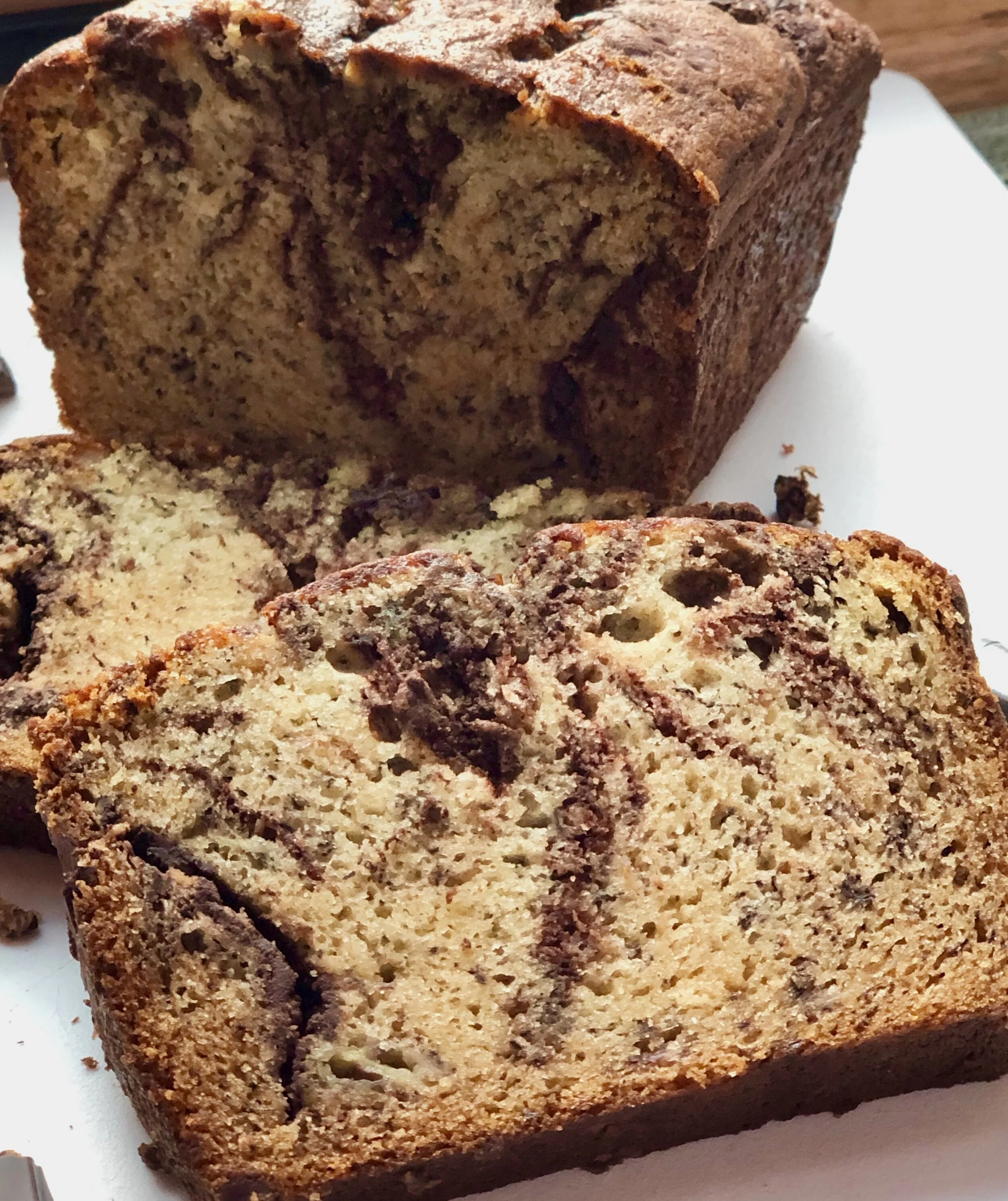
Banana Marble Bread

fullsizeoutput_b6da.jpeg

Got some leftover bananas? Maybe a little chocolate (bar/chips/anything)?

Here’s a comforting treat. The swirl of chocolate makes plain old banana bread a bit more festive.

If you’re socially distancing at home like so many of us, this Banana Marble Bread is a tasty way to pass the time, use what you have and add a comforting fragrance to your home.

Banana Marble Bread

  • 3 ounces semisweet chocolate

  • 2 cups all-purpose flour

  • 1 teaspoon baking soda

  • 1/2 teaspoon baking powder

  • 1/2 teaspoon salt

  • 1 cup sugar

  • 1/2 cup vegetable oil

  • 2 large eggs

  • 3 medium ripe bananas

  • 1/4 cup fruit juice, oat milk or other non-dairy milk (or use dairy milk)

  • 1 teaspoon vanilla extract

Preheat the oven to 350 degrees. Grease a 9”x5”x3” loaf pan. Melt the chocolate and set it aside to cool. Mix the flour, baking soda, baking powder and salt in a bowl and set it aside. Beat the sugar and vegetable oil with a handheld or electric mixer set at medium speed for 2-3 minutes or until the mixture is well blended. Add the eggs one at a time, beating after each addition. Mash the bananas and add them to the sugar mixture. Beat thoroughly until the ingredients are well blended. Add the flour mixture and beat for 1-2 minutes to blend the ingredients thoroughly. Stir in the juice and vanilla extract. Pour the batter into the prepared pan. Pour the melted chocolate on top and use a knife or spatula to swirl it through the banana batter. Bake for 1 hour or until a cake tester inserted into the center comes out clean. Cool the bread in the pan 15 minutes. Remove the bread from the pan and let it cool on a cake rack.

 Makes one bread serving 10-12

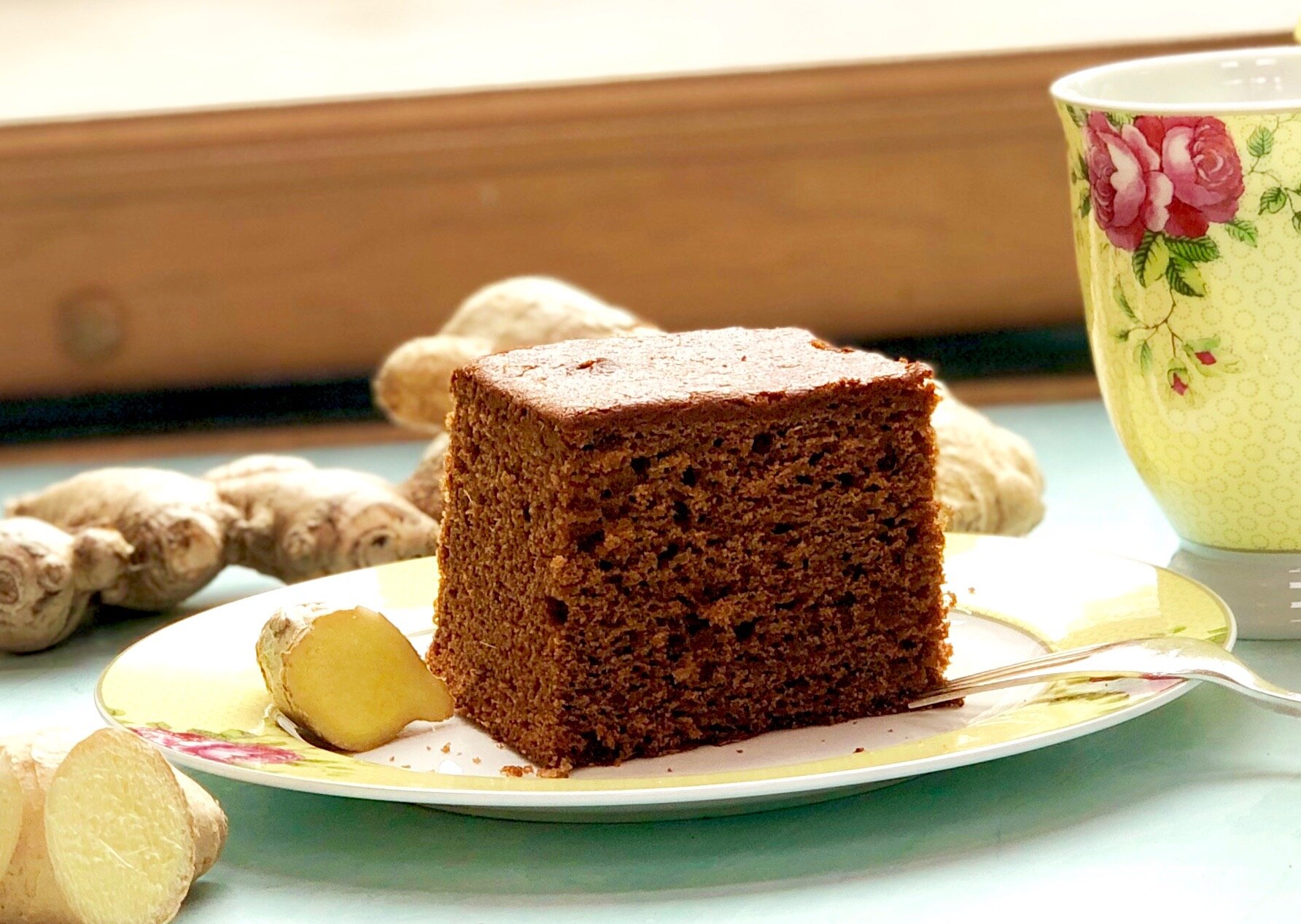
Fresh Ginger Cake

IMG_4405.jpeg

When life gives you lemons, you make lemonade.

And, when life gives you fresh ginger, you make ginger cake (to go with ginger tea of course).

I’ve been using Instacart to get groceries recently because of the stay-at-home and social distancing Ed and I are following strictly. This delivery service has been excellent and I am incredibly grateful to the men and women who have shopped for us and delivered everything to our front door.

So first, bravo and thank you to them.

There have been some mistakes, none really worth talking about, but one that I found amusing.

I ordered a piece of fresh ginger and my shopper bought a pound!

That’s a lot of ginger.

But okay. I’ll use it.

First of all, I love ginger steeped in near-boiling water for tea. I’ve been drinking a lot of that recently. It’s healthy and a perfect way to stay hydrated too.

And of course, to go with the tea: cake. Like gingerbread. Except I didn’t have enough molasses so I used a mixture of date honey and regular honey. And I used fresh ginger instead of dried.

Perfect. This cake is milder than traditional gingerbread (because of the missing molasses), yet with the familiar heat because fresh ginger has a bit of a bite.

Would have loved some whipped cream, but alas, no cream in the house.

Fresh Ginger Cake

  • 3/4 cup butter

  • 3/4 cup date syrup (silan) (or use molasses)

  • 1/4 cup honey (or use molasses)

  • 1/2 cup brown sugar

  • 3 cups all-purpose flour·      

  • 2-1/2 teaspoons baking soda

  • 1/2 tsp. salt

  • 1 teaspoon ground cinnamon

  • 1/2 teaspoon grated fresh nutmeg

  • 1/4 cup grated fresh ginger

  • 2 large eggs

  • 1/3 cup milk

Preheat the oven to 350 degrees. Lightly grease a 9”x9” cake pan. Place the butter, date syrup, honey and brown sugar in a saucepan and cook, stirring occasionally, over medium heat until the butter has melted. Stir to blend ingredients thoroughly. Set aside to cool. Mix the flour, baking soda, salt, cinnamon and nutmeg together. Pour the date liquid mixture over the flour mixture and beat the ingredients to blend them thoroughly. Add the ginger and eggs and beat them in. Pour in the milk and mix until the batter is smooth. Pour the batter into the pan. Bake for about 40 minutes or until a cake tester inserted into the center comes out clean.

Makes 8-10 servings

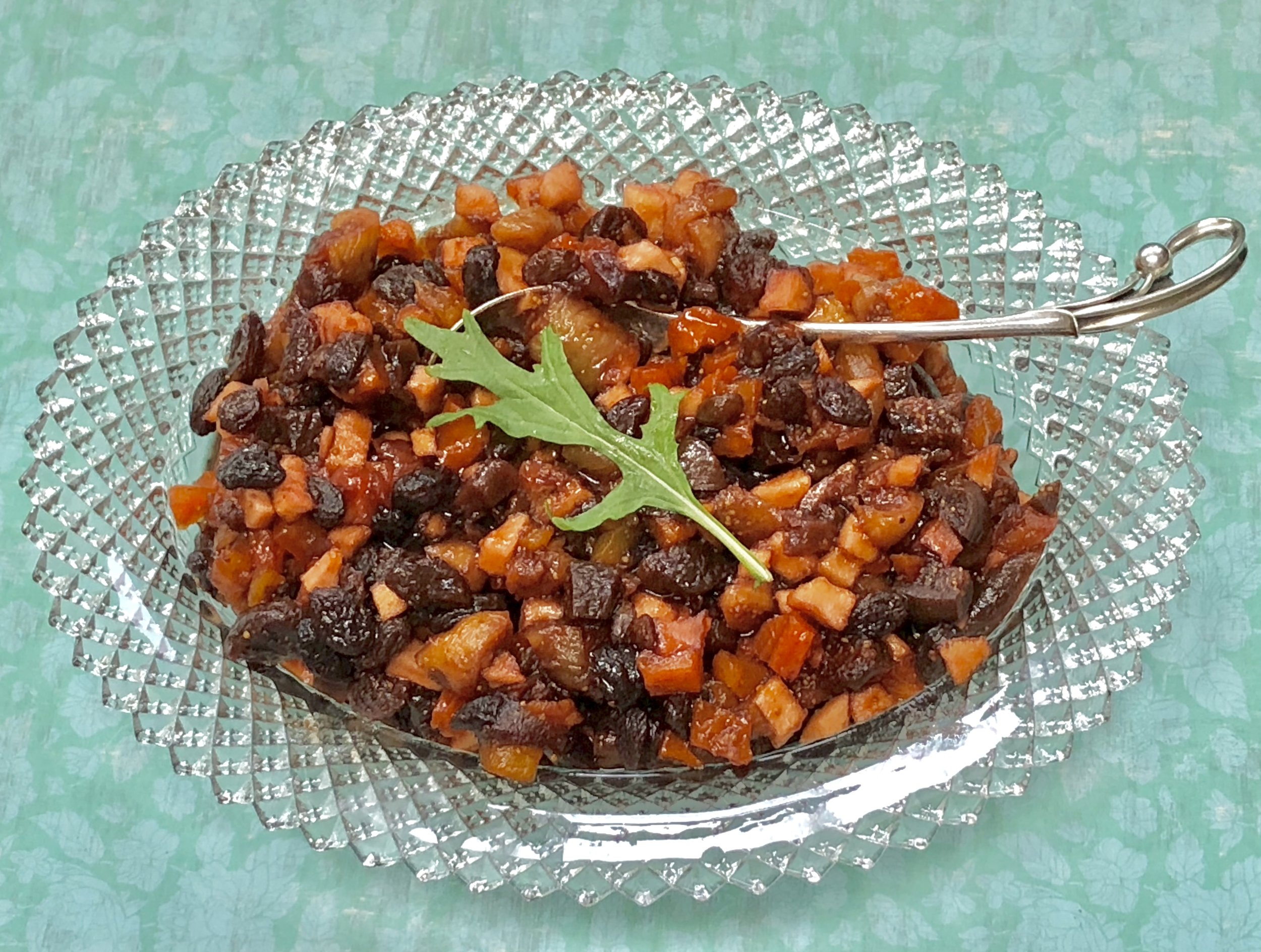
Quarantine Charoset or Pantry Charoset or Completely Made-up Charoset

fullsizeoutput_a458.jpeg

When I was growing up the Seder charoset was used symbolically only. My grandmother, and in later years my mother, would grate an apple or two, mix it with some walnuts and Manischewitz concord grape wine and that was that. It always turned brown and didn’t look very appetizing and we ate it only as commanded during the reading of the Haggadah.

Then, several years ago, charoset became a big deal. It was now expected to taste good, look good and be eaten like a side dish, the way we eat cranberry sauce or apple sauce.

And so, I stopped making the apple mush. Instead, over the years, I’ve made Persian versions, nut-free versions, coconut charosets and all sorts of others, based on different ethnicities.

This year I am making my special COVID19 jumble, made with what I have on hand in the way of dried fruit (plus an orange, which I always have in the fridge.

Should I call it Quarantine Charoset, Pantry Charoset or simply Completely Made Up Charoset?

I don’t use any nuts because of allergies, but you can add 1/3-1/2 cup of chopped nuts (any kind) to this recipe if you have some in your pantry.

Quarantine Charoset or Pantry Charoset or Completely Made-up Charoset

  • 1-1/2 cups chopped dates

  • 1 cup chop dried figs

  • 1 cup chopped dried apricots

  • 1/2 cup raisins

  • 1 fresh apple, peeled and chopped

  • 1/2 cup pomegranate jam (or any jam you have)

  • 1/3 cup Passover wine (preferably Concord grape)

  • 1/4 cup orange juice

  • 1 teaspoon grated fresh orange peel

Place the dates, figs, apricots, raisins and apple in a bowl and toss the fruit to distribute the pieces evenly. Add the pomegranate jam and stir to coat the fruit. Pour in the wine and orange juice; add the orange peel. Toss the ingredients. Let rest for at least one hour before serving.

Makes about 5 cups

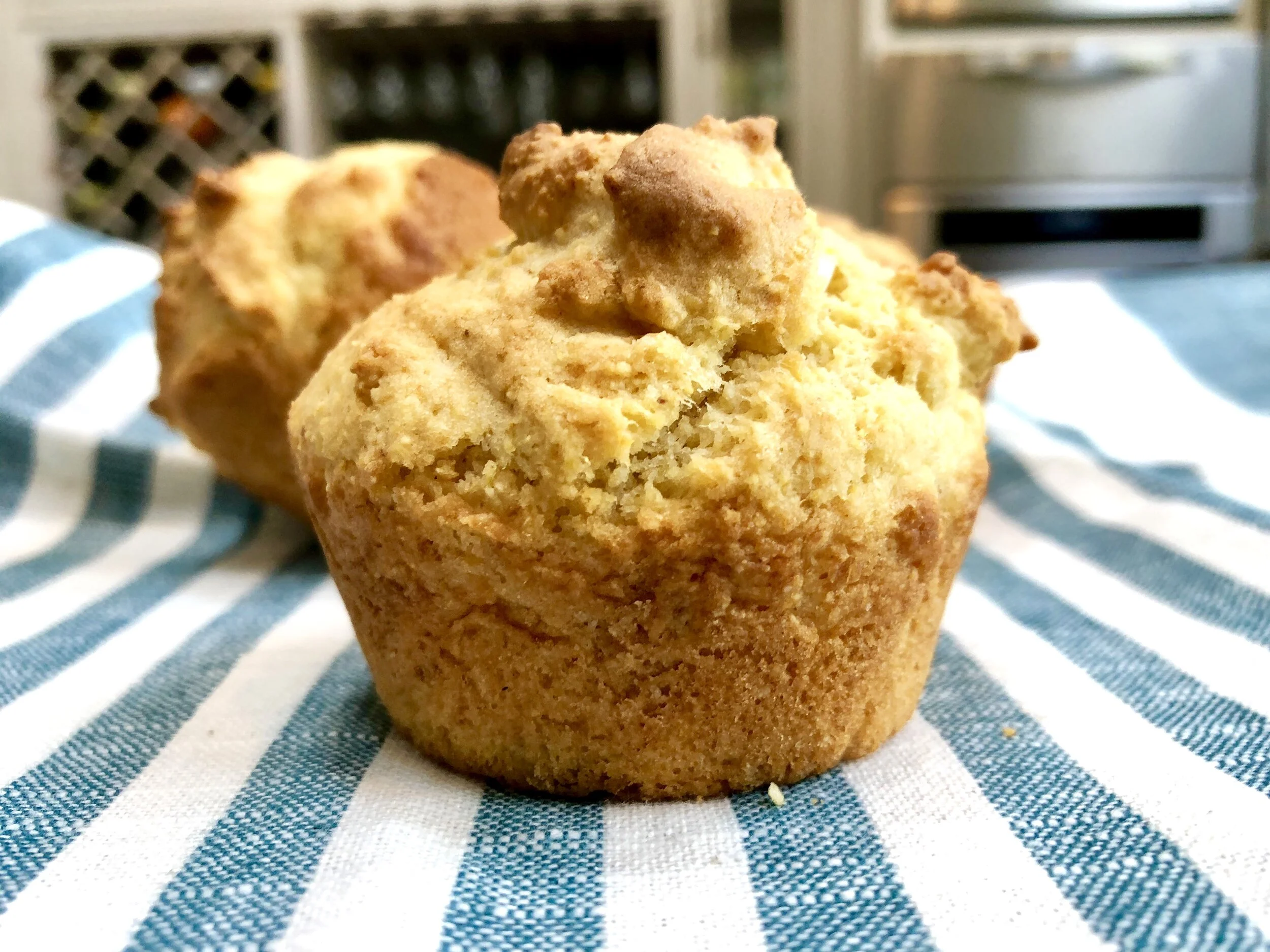
Maple Sweetened Corn Muffins

Maple Sweetened Corn Muffins

Maple Sweetened Corn Muffins

Looking to cook with stuff from your pantry?

Trying to use up chometz before Passover?

Try these.

Easy, tasty and useful.

Maple Sweetened Corn Muffins

  • 1/3 cup butter

  • 1 cup cornmeal

  • 1 cup all-purpose flour

  • 1 tablespoon baking powder

  • 3/4 teaspoon salt

  • 3 tablespoons pure maple syrup

  • 1 large egg

  • 2/3 cup milk

Preheat the oven to 425 degrees. Lightly grease 8 muffin tins. Melt the butter and set it aside to cool. In a bowl, mix the cornmeal, flour, baking powder and salt. In another bowl mix the maple syrup, egg, milk and cooled butter, beating until well blended. Pour the liquid into the cornmeal mixture and stir to blend the ingredients. Spoon equal amounts into the muffin tins. Bake for 20-25 minutes or until golden brown.

Makes 8


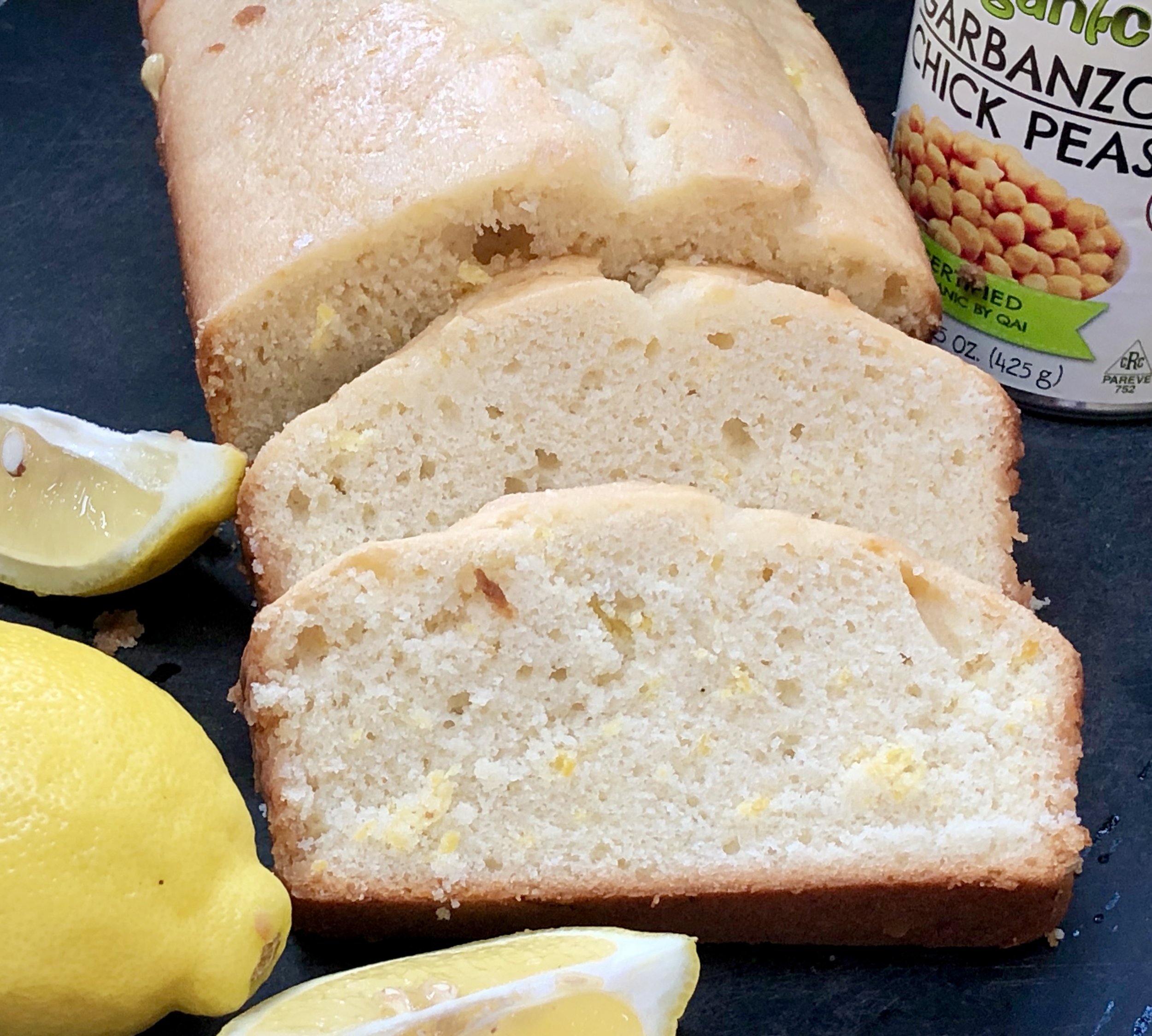
Lemon Aquafaba Bread

fullsizeoutput_9516.jpeg

At this particular time, when we are going through a world-wide crisis, a terrifying pandemic, it can be therapeutic for many of us to cook and bake.

I am one of those people.

I have plenty of ingredients to cook with because over the years I’ve learned to keep shelf-stable foods on hand in case I can’t shop: ingredients such as canned beans, rice, frozen veggies, dried fruit, canned or packaged milk, and so on.

Equally important for me is — don’t waste food (I’ve talked about that often). I believe that it is important to use all resources — “food forage” as my colleague Susan Barocas calls it. Don’t throw out any ingredient that’s useable, including leftovers.

With all this in mind I offer this lemon bread.

I have lots of lemons in my crisper because of an article I am writing. I’ve developed the recipe for that, so I need to make use of the extra lemons.

I also needed to do something with the liquid leftover from a can of chick peas that I opened for a salad. Chick pea liquid is incredibly useful.

In case you aren’t familiar with this leftover liquid (also from canned beans), it is called aquafaba and it can be used in place of eggs. That makes it an ideal ingredient for vegans and anyone who is allergic to or otherwise can’t eat eggs.

When you beat chick pea liquid with a whisk, it traps air like eggs do, so baked goods have both structure and also a light, tender crumb.

I am trying not to use too many fresh eggs that I might need for meals, so I used the aquafaba instead to make this lemon bread.

Dee-lish!

To get the most out of the liquid in a can of chick peas, be sure to scrape the residue at the bottom of the can. For best results, reduce the liquid slowly over medium-low heat until it becomes the consistency of egg white. Use about 3 tablespoons of the liquid in place of each egg. 

For another delicious recipe (carrot bread) using aquafaba, click here.

Lemon Aquafaba Bread

  • 6 tablespoons aquafaba

  • 4 tablespoons coconut oil

  • 3/4 cup sugar

  • 1 tablespoon finely grated fresh lemon peel

  • 2 cups all-purpose flour

  • 2-1/2 teaspoons baking powder

  • 3/4 teaspoon salt

  • 1 cup coconut milk

  • 1/4 cup fresh lemon juice

  • 1-1/2 tablespoons sugar

Preheat the oven to 350 degrees. Grease a 9”x5”x3” loaf pan. If the aquafaba seems thin, boil it for a few minutes to thicken slightly to the consistency of egg white. Set aside to cool. In the bowl of an electric mixer, beat the coconut oil and 3/4 cup sugar at medium speed for 1-2 minutes or until well combined. Add the lemon peel and aquafaba and blend them in. Mix the flour, baking powder and salt in a small bowl. Add the dry ingredients to the creamed mixture in thirds, alternating with the coconut milk. Beat to blend the ingredients to a smooth, even batter. Spoon the batter into the prepared pan. Bake for 50-55 minutes or until a cake tester inserted into the center comes out clean. While the bread is baking, combine the lemon juice and 1-1/2 tablespoons sugar in a small saucepan and cook over medium heat for 1-2 minutes or until the sugar has dissolved. When the bread comes out of the oven, pour the lemon juice mixture on top. Cool the bread in the pan for 10 minutes. Invert onto a cake rack to cool completely.

Makes one bread