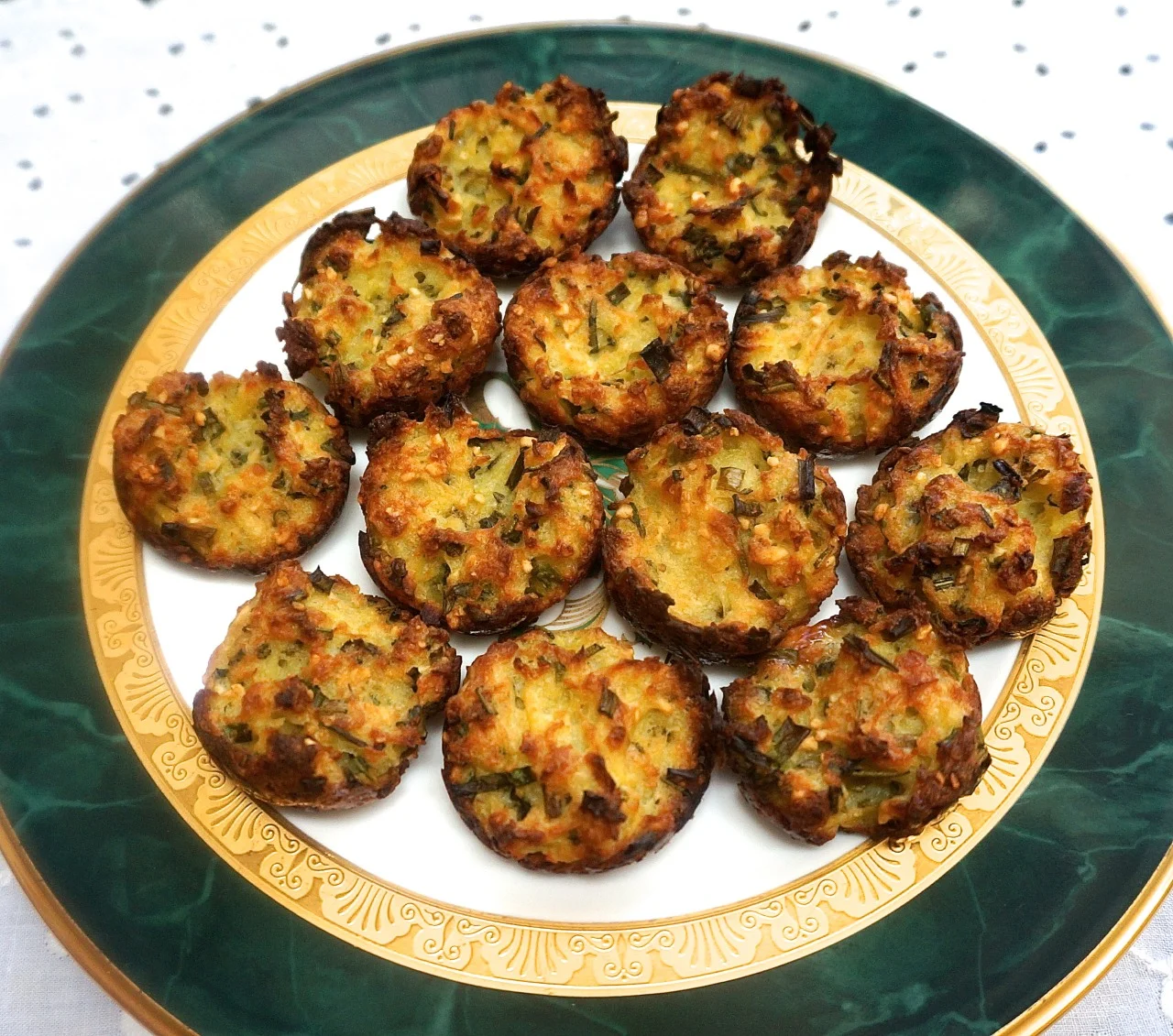
Crispy Potato Bites

Need a quick nosh during Passover?
These crispy potato bites do the trick. I haven’t met anyone who doesn’t like them. In fact they remind me of franks-in-blankets, the kind of tidbit people don’t want to admit they love, but they …

Need a quick nosh during Passover?

These crispy potato bites do the trick. I haven’t met anyone who doesn’t like them. In fact they remind me of franks-in-blankets, the kind of tidbit people don’t want to admit they love, but they actually love them so much they eat more of them than they would ever guess.

I make these potato bites ahead and reheat them when needed (defrosted, 400 degree preheated oven for about 8-10 minutes) — although I have seen members of my clan eat them cold, saving me the trouble of washing a baking sheet.

They’re not just for Passover, btw. I serve them for sports events (like Superbowl) and other times that I’ve got a small crowd coming over.                   

Crispy Potato Bites


12 ounces Yukon Gold potatoes, peeled and cut into chunks

1/4 cup chopped fresh chives

1 tablespoon chopped fresh rosemary

1 large egg

2 tablespoons vegetable oil

2 tablespoons matzo meal

1/2 teaspoon Passover baking powder

salt and freshly ground black pepper to taste


Preheat oven to 400 degrees. Lightly grease 16-18 mini muffin tin cups (or use cooking spray). Shred the potatoes in a food processor, scoop the shreds, replace the shredding disk with the S-blade and return the shredded potatoes to the workbowl. Chop the potatoes until they are small pieces. Squeeze excess liquid out of the potatoes. Place the potatoes in a bowl. Add the chives, rosemary, egg, vegetable oil, matzo meal, baking powder and salt and pepper to taste. Mix the ingredients thoroughly to blend them completely. Spoon equal amounts of the potato mixture into the mini muffin cups. Bake for 25-30 minutes or until crispy and golden brown.


Makes 16-18

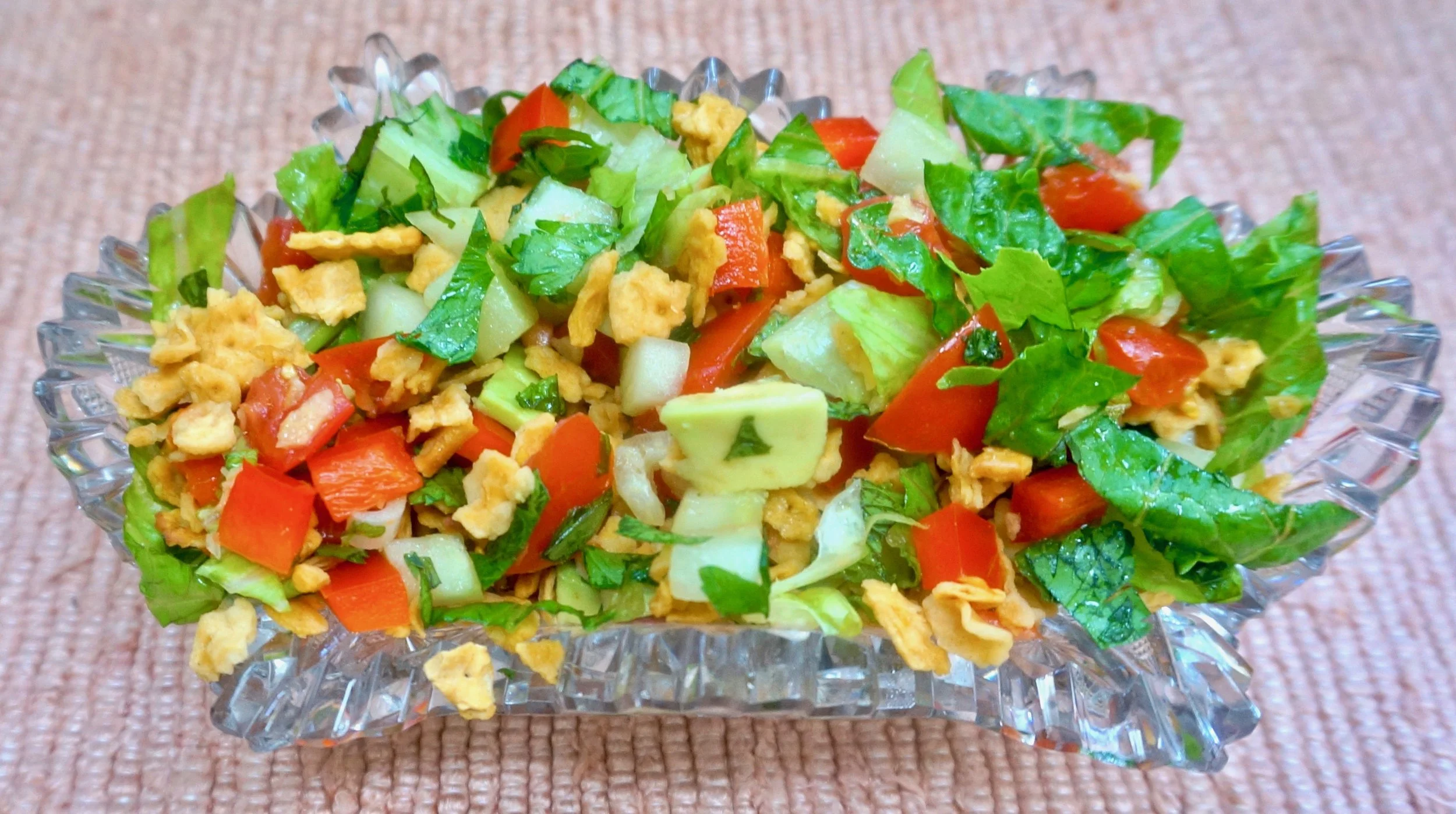
Matzo Farfel Fattoush

DSC02462.jpg

Every year I buy a kitchen’s worth of Passover ingredients and most of it gets eaten, except for the matzo farfel. I know you can use matzo farfel for stuffing, matzo brei, granola and other foods. But I don’t. A few family members like it cooked like oatmeal, for breakfast, but that’s about it. So I always have a lot left over.

Last year I decided to experiment a bit and see how I could use matzo farfel to advantage.

Fattoush, a light and refreshing salad, was a big winner. 

The word fattoush means “crumbled bread” in Arabic and the salad is pretty basic — seasonal vegetables such as tomatoes, cucumber and greens mixed with toasted flat bread.

During the year it’s a good way to use up stale bread. During Passover, matzo farfel is perfect.                                                                                                                                                                                                                                        

Matzo Farfel Fattoush


  • 2 cups matzo farfel
  • 6 tablespoons olive oil
  • 3 cups shredded Romaine lettuce (6-8 large leaves)
  • 2 medium tomatoes, chopped
  • 1 medium cucumber, chopped
  • 1 ripe avocado, peeled and chopped
  • 1/2 medium red bell pepper, deseeded and chopped
  • 2-3 scallions, chopped
  • 1/2 cup chopped parsley
  • 1/4 cup chopped mint
  • 1/4 cup lemon juice
  • salt and freshly ground black pepper to taste


Preheat the oven to 350 degrees. Place the farfel on a baking sheet. Pour 2 tablespoons olive oil over the farfel and toss, coating all the pieces. Bake for about 15 minutes, tossing the farfel occasionally, or until it is lightly browned. Remove from the oven and let cool. Place the lettuce shreds, tomatoes, cucumber, avocado, bell pepper, scallions, parsley and mint in a bowl. Mix the remaining 4 tablespoons olive oil and the lemon juice together. Pour the dressing over the salad, sprinkle with salt and pepper to taste and toss the ingredients. Add the toasted farfel, toss again and let rest for a few minutes before serving.


Makes 8 servings

Salmon, Potato and Spinach Patties

It’s funny how despite the years that pass and the changes we all make to our diets, there are some foods we never give up. For me, one of those dishes is salmon latkes. Ed won’t eat them. This is a solo thing.Salmon latkes were also my Mom’s favori…

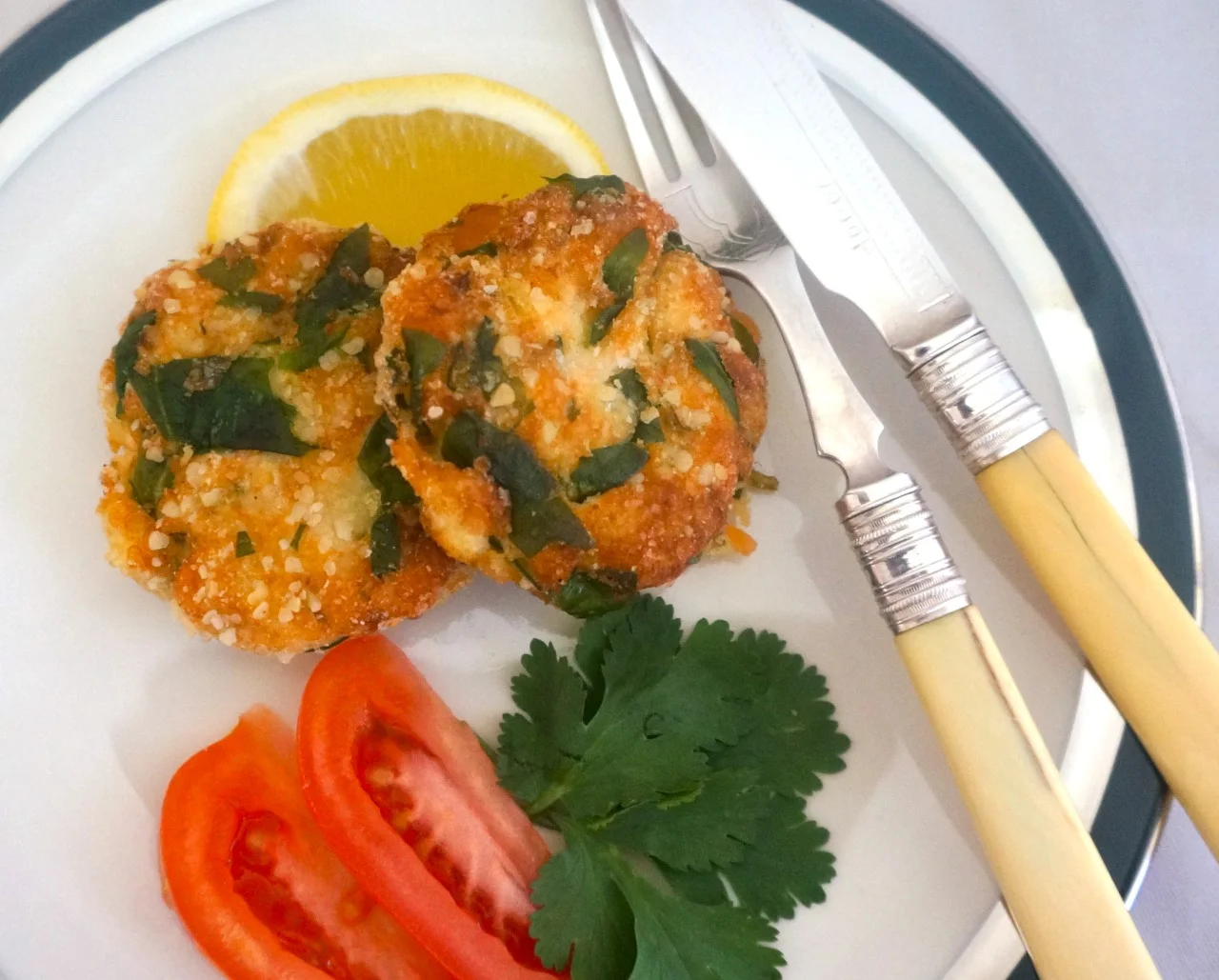
Salmon, Potato and Spinach Patties (Croquettes, Latkes)

It’s funny how despite the years that pass and the changes we all make to our diets, there are some foods we never give up. For me, one of those dishes is salmon latkes. Ed won’t eat them. This is a solo thing.

Salmon latkes were also my Mom’s favorite go-to dish (red canned salmon, she insisted). She made them for herself. My Dad didn’t wouldn’t eat them. 

When April comes I think about salmon latkes more because it’s the month my mom passed away and yahrzeits always conjure memories, don’t they?

So I have been thinking salmon latkes lately.

Unlike my mom, I can’t let a recipe go without thinking about how I could change it. How many salmon latke variations can I create?

Well, not as many as banana bread, but when you’ve got leftover (or canned) salmon, there’s a lot you can do with it. 

Here’s the latest version. It’s a good dish for Passover either to replace gefilte fish as a fish course at a Seder, or for lunch or even dinner (make larger burger-type patties).                                                                                                                                 

Salmon, Potato and Spinach Patties (Croquettes, Latkes)

  • 1 pound Yukon Gold potatoes

  • 12 ounces cooked salmon

  • 1 cup packed baby spinach leaves, washed, dried and coarsely chopped

  • 2 large eggs

  • 1/2 cup matzo meal

  • 2 chopped scallions

  • 1 tablespoon lemon juice

  • 2 tablespoons chopped fresh parsley

  • 2 tablespoons chopped fresh cilantro

  • salt and freshly ground black pepper to taste

  • 1/4 cup matzo meal

  • vegetable oil

Peel the potatoes, cut them into chunks and cook them in lightly salted boiling water for about 15 minutes or until tender. Drain and place in a bowl. Mash the potatoes with a fork. Add the salmon and spinach and mix the ingredients to distribute them evenly. Add the eggs, 1/2-cup matzo meal, scallions, lemon juice, parsley, cilantro and salt and pepper to taste. Mix the ingredients to distribute them evenly. Shape the mixture into 16-20 small patties. Press the patties into the remaining 1/4-cup matzo meal, to coat both sides. Heat about 1/4-inch vegetable oil in a large sauté pan over medium heat. Fry the patties for 2-3 minutes per side or until golden brown and crispy. Serve 2 patties per person.

Makes 8-10 first course servings


Potato Galette

People say they get bored with potatoes during Passover, but I don’t. I could eat a potato in one way or another every day. It’s my “one food you would take to a desert island" food.Potato Galette sounds fancy, which makes it suitable for a festive …

People say they get bored with potatoes during Passover, but I don’t. I could eat a potato in one way or another every day. It’s my “one food you would take to a desert island" food.

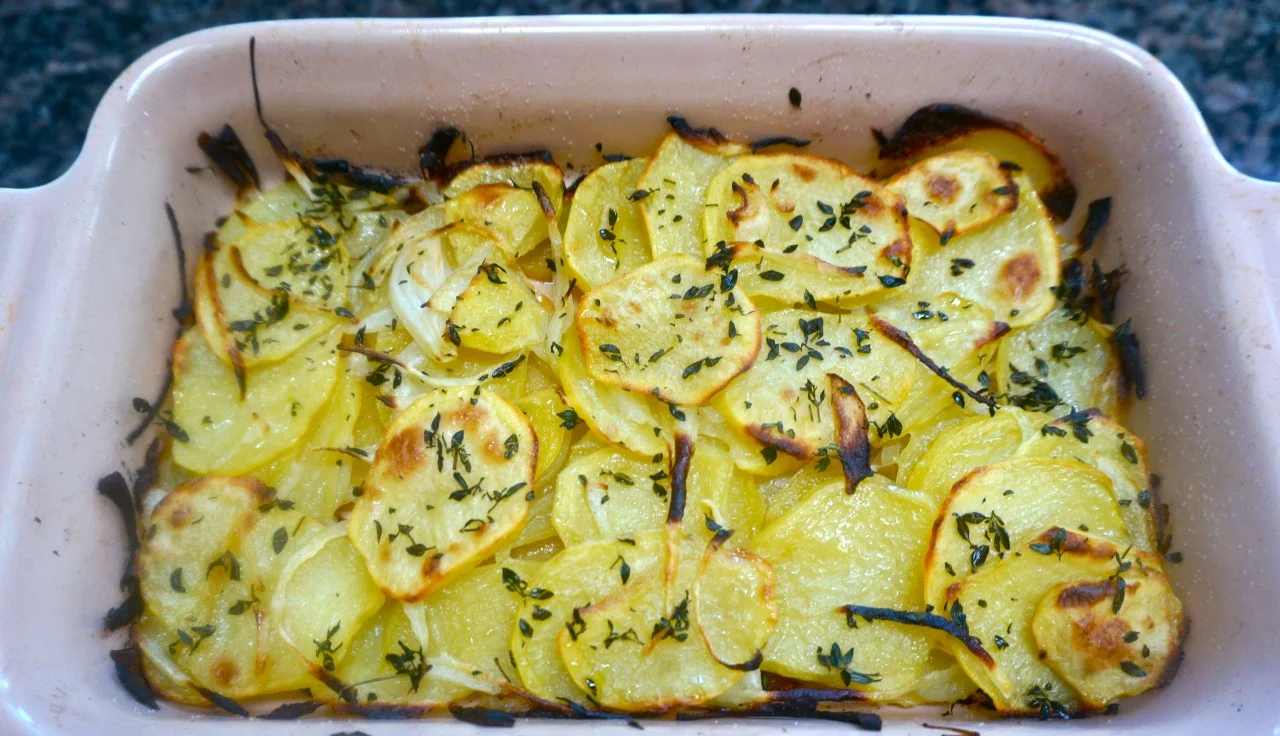
Potato Galette sounds fancy, which makes it suitable for a festive holiday dinner. But it’s a very easy dish to make — essentially oven roasted “home fries” with onions. 

I use goose fat (frozen; rendered from the goose I roast for Hanukkah) but you can substitute chicken fat, margarine or vegetable oil. 

Here’s the recipe:                                                                                                                                                                                                               

Potato Galette

3 tablespoons melted goose fat, shortening or olive oil

2 tablespoons olive oil

2 pounds Yukon Gold potatoes

1 large Vidalia or Spanish onion

salt and freshly ground black pepper to taste

1 teaspoon chopped fresh thyme


Preheat the oven to 450 degrees. In a bowl, mix the goose fat and olive oil. Brush a film of this mixture inside a 13”x9” pan. Peel the potatoes and onion and cut them into thin slices. Wipe the potatoes with paper towels (to dry the surface). Place the potatoes slices in the bowl and toss them around to coat them with the fat. Place a layer of potatoes in the pan. Top with half the onions. Repeat layers. Sprinkle the ingredients with salt, pepper and thyme leaves. Bake for 35-40 minutes or until the potatoes are tender, crispy and browned on the surface.


Makes 4-6 servings


Tuna Patties with Lemon-Mayonnaise

There’s no gefilte fish at our house on Passover. My daughter Gillian is so allergic to fish that even the cooking vapors or opened cans/jars of fish can make her sick.
Also, we don’t like jarred gefilte fish. Maybe that’s a hereti…

There’s no gefilte fish at our house on Passover. My daughter Gillian is so allergic to fish that even the cooking vapors or opened cans/jars of fish can make her sick.

Also, we don’t like jarred gefilte fish. Maybe that’s a heretical thing to say, but, there, I’ve said it.

I’ve bought freshly made gefilte fish that Ed and I loved, from a market in Riverdale, but it’s too far from where I live to go there often.

I’ve made gefilte fish, back in the day, before Gillian was born. It’s a killer in terms of time and effort. 

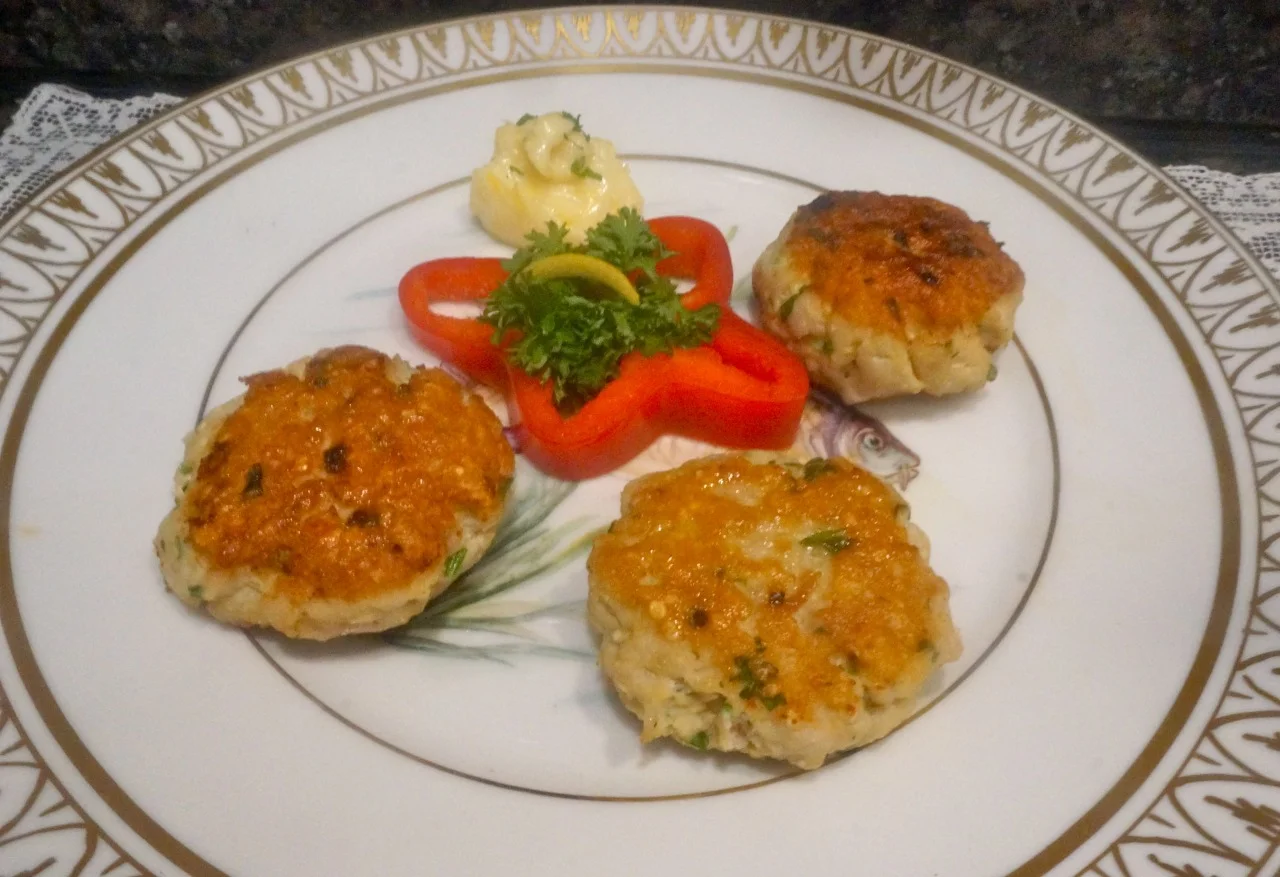
So, these days, if it’s not a family dinner and I can serve fish and need a good dish as an appetizer rather than main course, I make something like these tuna patties. They’re made of mashed fish mixed with seasonings, but unlike gefilte fish they don’t contain egg and matzo meal (but you can add some if you want fluffier patties). They’re sauteed, not poached. And I serve them with lemon-mayonnaise instead of horseradish.

Other than that they’re just like gefilte fish.

If you would like an alternative to gefilte fish, try these:

Tuna Patties with Lemon-Mayonnaise


3/4 cup mayonnaise

1 tablespoon finely grated lemon peel

1-1/2 pounds fresh tuna

2 tablespoons chopped fresh parsley

1 thick scallion, finely chopped

1 large clove garlic, finely chopped

1-1/2 teaspoons finely chopped fresh ginger

1 teaspoon finely chopped serrano or jalapeno pepper

salt and freshly ground black pepper to taste

1 large egg, optional

5-6 tablespoons matzo meal, optional

3-4 tablespoons vegetable oil


Mix the mayonnaise and lemon peel and set it aside. Chop the tuna into very fine pieces and place them in a bowl (you can use a food processor). Add the parsley, scallion, garlic, ginger, chili pepper and some salt and pepper to taste. Add the optional egg and matzo meal, if desired. Mix the ingredients thoroughly. Shape the mixture into 16-20 small patties. Heat the vegetable oil in a saute pan over medium heat. Cook the patties for 2-3 minutes per side or until lightly browned and crispy on both sides and cooked through. Serve with the lemon-mayonnaise.

Makes 8-10 first course servings

Celebrating Sharon Lurie and Passover with Mexican Matzo Salad

I love the internet. I love it for all the information I can find, sometimes instantly. I can get a recipe for Shakshuka, discover how to get chocolate stains out of a tee shirt or find out who won the Academy Award for best actress in 1987.
Mostly,…

I love the internet. I love it for all the information I can find, sometimes instantly. I can get a recipe for Shakshuka, discover how to get chocolate stains out of a tee shirt or find out who won the Academy Award for best actress in 1987.

Mostly, I can find old friends and make new ones.

I met Sharon Lurie because of the internet. She lives in Johannesburg, South Africa, halfway around the world from me in Connecticut. She’s a fellow food writer and cookbook author ("Cooking with the Kosher Butcher’s Wife" and "Celebrating with the Kosher Butcher’s Wife").

Someone I know gave me Sharon’s email address and when Ed and I planned our trip to South Africa earlier this year I emailed her out of the blue and asked if she’d meet me. She couldn’t have been more gracious. She and her husband invited us for Shabbat dinner, which we couldn’t accept because we had some birthday plans with our cousins who were traveling with us. But instead of saying “okay, maybe next time” Sharon came —bearing gifts — to visit us the next day at our hotel.

She brought a perfectly wonderful apron (which I have already splashed with tomato sauce, bread flour and other assorted food particles) and several hunks of Dry Wors (a salami-like sausage), Krakelwurst (like kielbasa) and Biltong (beef jerky, South African style), which the four of us gobbled and nibbled over the course of the next several days. She is the butcher’s wife after all!

Of course, she brought her two cookbooks (autographed). The recipes in the first book (“Cooking with …”) are proof that just because you come from a family of butchers it means you eat fancy meat all the time and also, just because the meat you eat is kosher it has to be boring, tough and dry as dust. So it includes such goodies as Stuffed Breast of Veal with Roasted Pumpkin and Spiced Sunflower Seeds as well as Lemon-Kicked Lamb Shanks.

The second book (“Celebrating with …”) focuses on the big Jewish holidays: Shabbat, Pesach, Shavuot, Rosh Hashanah, Sukkot, Chanukka and Purim.

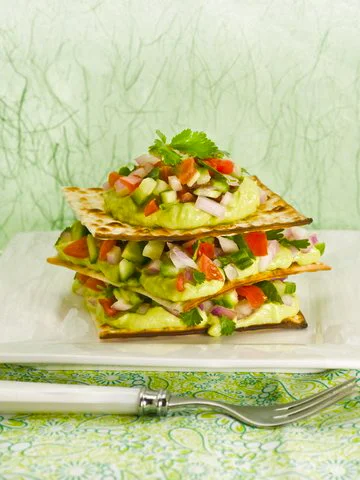
Both books have beautiful photos and easy recipes. And after reading through them since we got home, I’ve decided to add a couple of the “Celebrating with …” recipes to my Passover meals this year. Seder dinners can be huge food fests — mine usually are — which makes Sharon’s recipe for Mexican Matzo Salad a big winner because this salad is light, colorful and festive looking too. It fits perfectly into my menu. I’ve printed it below (using a few formatting changes from the original).

My thanks to the internet for allowing me to find a new friend.

My thanks to Sharon for your generosity, friendship, gifts and terrific recipes!

Mexican Matzo Salad (from “Celebrating with the Kosher Butcher’s Wife” by Sharon Lurie)

Garlic Matzo Strips

1/2 cup vegetable oil

1 teaspoon crushed fresh garlic

pinch of salt

4 matzos

Guacamole

2 avocados, peeled and chopped

2 tablespoons lemon juice

1 teaspoon crushed fresh garlic

salt and pepper to taste

Fresh Salsa

1 large red onion, peeled and chopped

2 medium tomatoes, chopped

1 bunch fresh coriander (cilantro), finely chopped

1 English cucumber, finely chopped

salt and pepper to taste

Preheat the oven to 180 degrees C (350 degrees F). To make the Garlic Matzo Strips, mix the vegetable oil, garlic and salt in a bowl and allow to stand for a few minutes. Paint each matzo with the garlic oil and place on a baking sheet. Bake for 5-10 minutes or until golden and crispy. Meanwhile, make the guacamole and salsa.

To make the guacamole, blend or mash together the avocados, lemon juice, garlic and salt and pepper to taste. Refrigerate until needed.

To make the salsa, mix the red onion, tomatoes, coriander, cucumber and salt and pepper to taste. Place the mixture in a colander or sieve and press to extract as much liquid as possible. 

Break the matzos in half and layer first with guacamole, then salsa (alternatively, you can serve the guacamole and salsa in separate bowls and have people serve themselves each to place on matzo strips).

Makes 6-8 servings
The Original Lamb Shanks with White Wine and Rosemary

How does a turkey neck pass for a shank bone?Let me just say this. On the first night of Passover my grandma didn’t want to roast a lamb shank just for the Seder plate. She thought it wasteful to leave meat out for so long and then have to throw it …

How does a turkey neck pass for a shank bone?

Let me just say this. On the first night of Passover my grandma didn’t want to roast a lamb shank just for the Seder plate. She thought it wasteful to leave meat out for so long and then have to throw it away.

And because she always made a turkey for the meal, well, its neck sort of had a shank-like shape didn’t it? So that was our “shank bone.”

No one ever questioned it. But years later, when I was the one hosting the Seders I decided to be more traditional. Besides, I learned that several of the local markets gave away shank bones (completely clean of meat) for Passover. First come, first serve of course, so you have to know the game and when to get there.

Besides, we like to eat that turkey neck, so I would think it wasteful to use it for the Passover Seder plate and then have to throw it away.

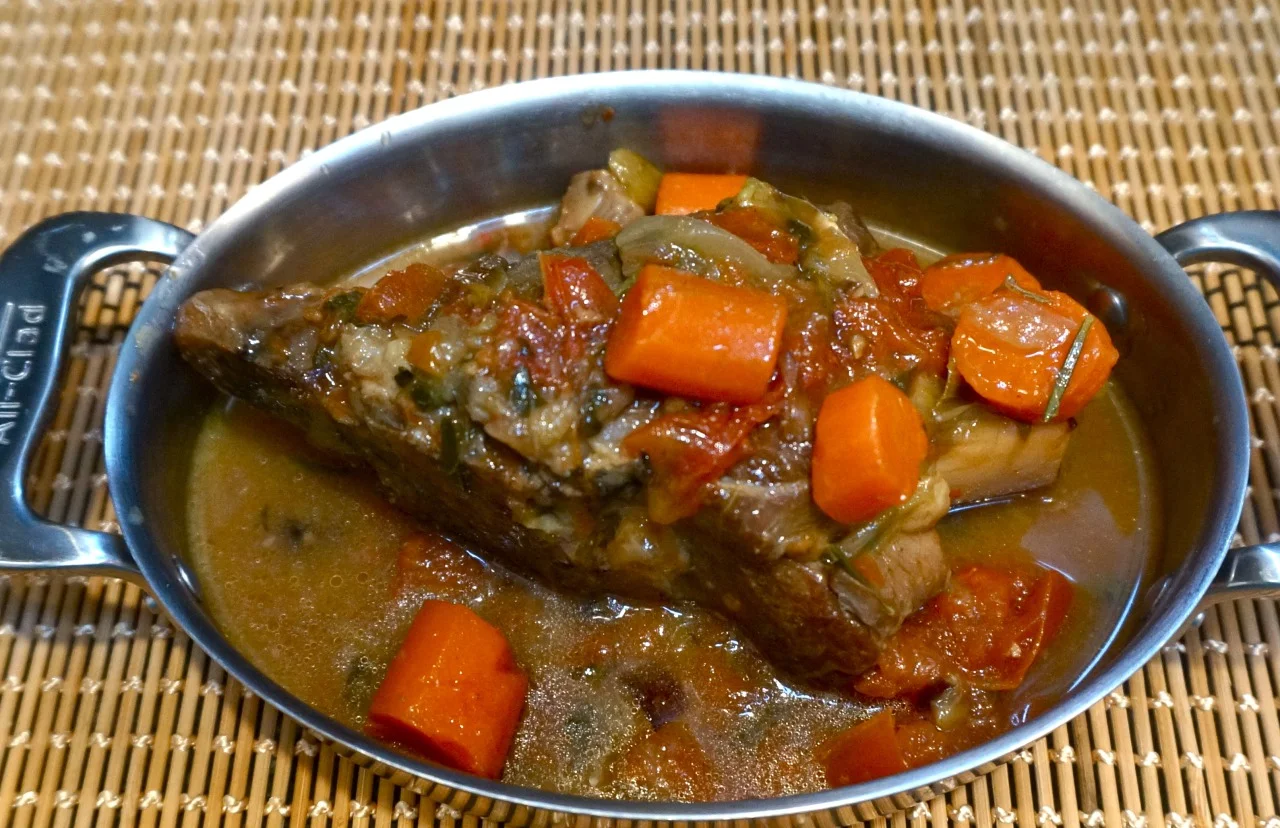
Of course lamb shanks are more than Seder plate symbols. They are soft, succulent and flavorful, especially if you slow-cook them, braised in wine or some savory stock and loaded with vegetables to accompany.

Some people do not eat lamb during Passover. But if you do, try these lamb shanks, which have a further benefit: you can prepare them 2-3 days ahead. Or make them some other time.

Lamb Shanks with White Wine and Rosemary


4 lamb shanks, about 1 pound each

2 tablespoons olive oil

4 large plum tomatoes, chopped

3 carrots, peeled and cut into chunks

1 onion, peeled and cut into chunks

1 leek, washed and chopped

2 cloves garlic, chopped

1 habanero chili pepper, deseeded and chopped

1-1/2 cups chicken stock

1 cup white wine

2 sprigs fresh rosemary

3 tablespoons chopped fresh parsley

salt and freshly ground black pepper to taste


Trim any excess fat from the shanks. Pour the olive oil in a large, deep sauté pan over medium heat. Add the shanks and cook them for 8-10 minutes, turning them occasionally, to brown all sides. Remove them from the pan and set them aside. Pour out all but about a tablespoon of fat from the pan. Add the tomatoes, carrots, onion, leek, garlic and chili pepper and cook for 2-3 minutes to soften the vegetables slightly. Pour in the stock and wine, mix the ingredients and bring to a boil. Place the shanks into the vegetable mixture and baste a few times. Place the rosemary sprigs and parsley in the pan, season to taste with salt and pepper and bring to a boil. Lower the heat to a simmer. Cook, covered, for 2-1/2 to 3 hours or until the meat is soft. Discard the rosemary sprigs. Serve the lamb as is, with the vegetables and pan fluids OR, puree the pan fluids with the vegetables and serve it as gravy with the meat.


Makes 4 servings

Roasted Salmon with Ataulfo Mango Salsa

They’re baaaaaack!

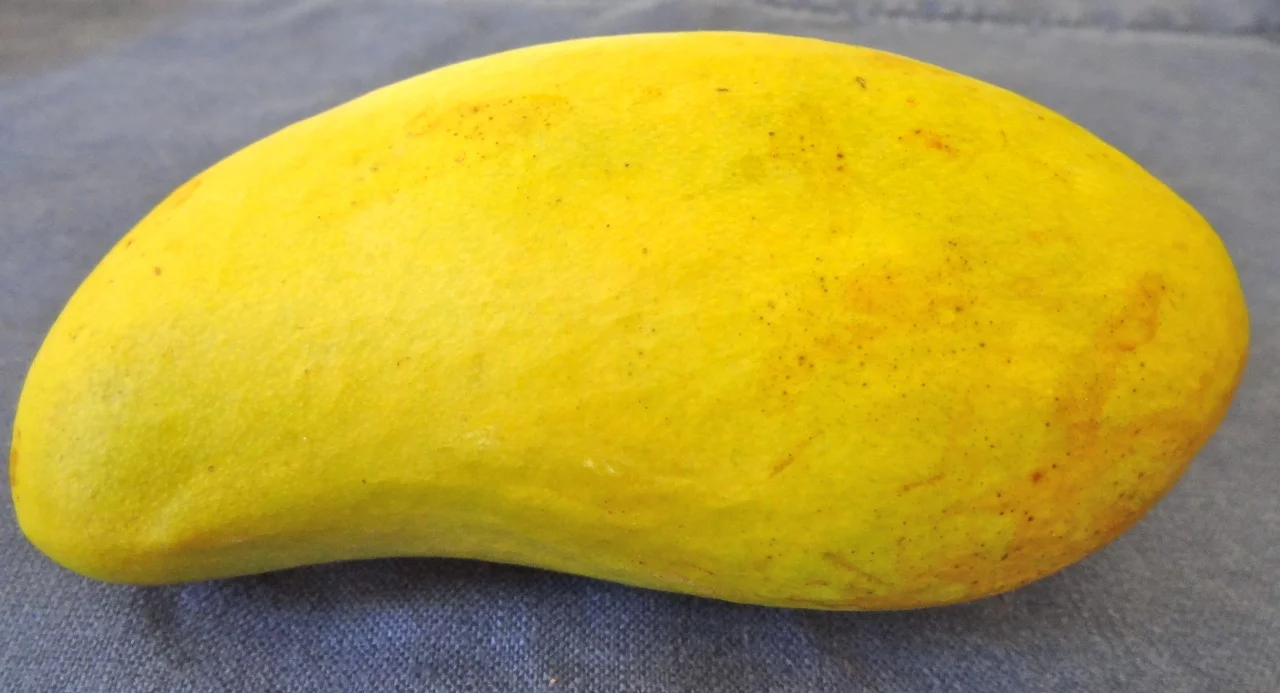
Ataulfo mangoes are back! (second photo). Sometimes they’re called champagne mangoes. 

If you haven’t ever eaten one, you’ve missed something very tasty, very special.

I like to eat them plain because they are so sweet and they’re not as fibrous as other mangoes. I’ve served them “carpaccio style.” 

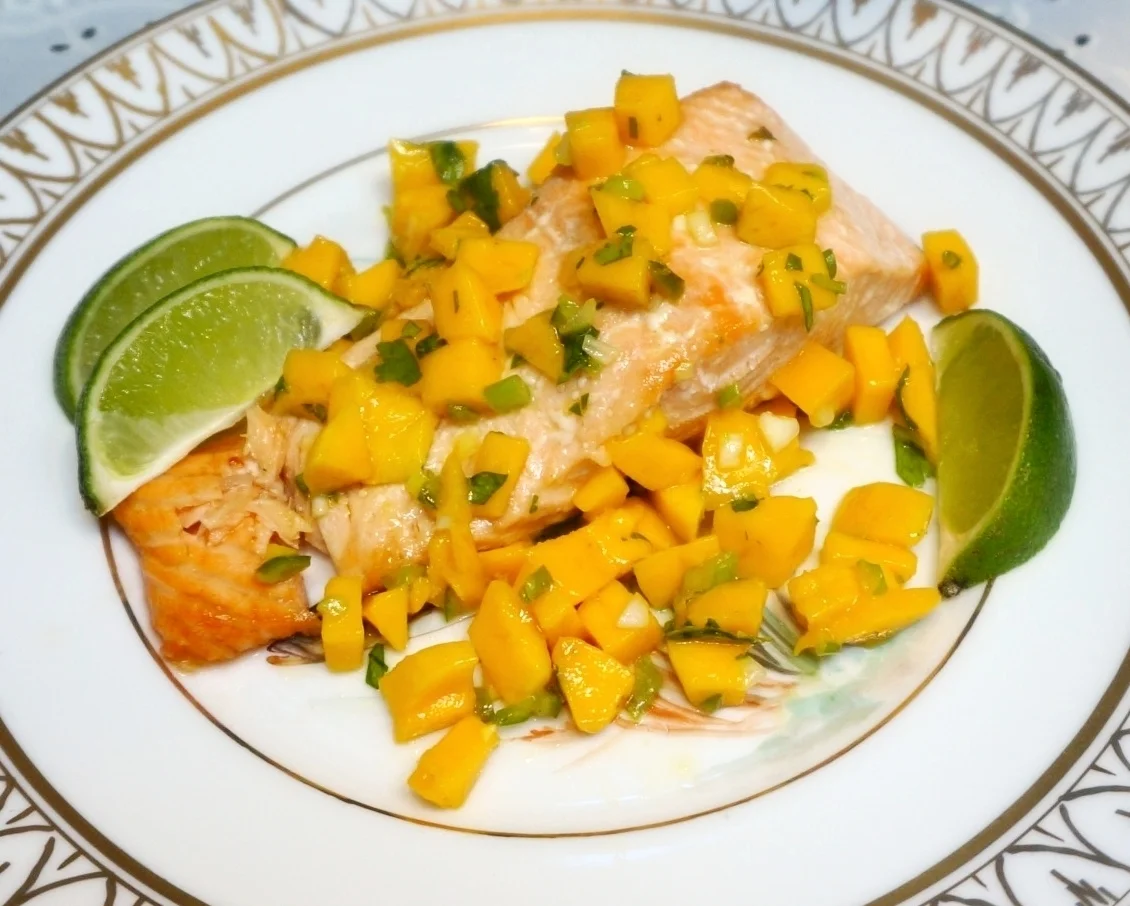
This week I cut them into salsa, to top roasted salmon. This is one of the easiest recipes I’ve ever cooked and would make a good alternative to jarred gefilte fish if you’re having a Passover Seder and need a fish course. But it’s a good bet any old other time too.

Roasted Salmon with Ataulfo Mango Salsa

  • 4 pieces salmon, each about 6 ounces, about 1-1/4 inches thick
  • 1-1/2 tablespoons olive oil
  • 2 ataulfo mangoes, peeled and chopped
  • 1 small Serrano pepper, deseeded and chopped
  • 1 medium scallion, chopped (or use 2-3 tablespoons chopped red onion)
  • 1 tablespoon chopped fresh cilantro
  • 1 tablespoon lime juice
  • sea salt

Preheat the oven to 475 degrees. Place the salmon in a baking dish. Brush the surface with 1/2 tablespoon of the olive oil. Roast for about 15 minutes or until cooked to desired doneness. Remove from the oven and serve with the salsa.

Make the salsa while the salmon is roasting: combine the mango, Serrano pepper, scallion and cilantro in a bowl and toss to distribute the ingredients evenly. Pour in the remaining tablespoon olive oil and the lime juice. Toss the ingredients. Sprinkle with salt to taste. 

Makes 4 servings