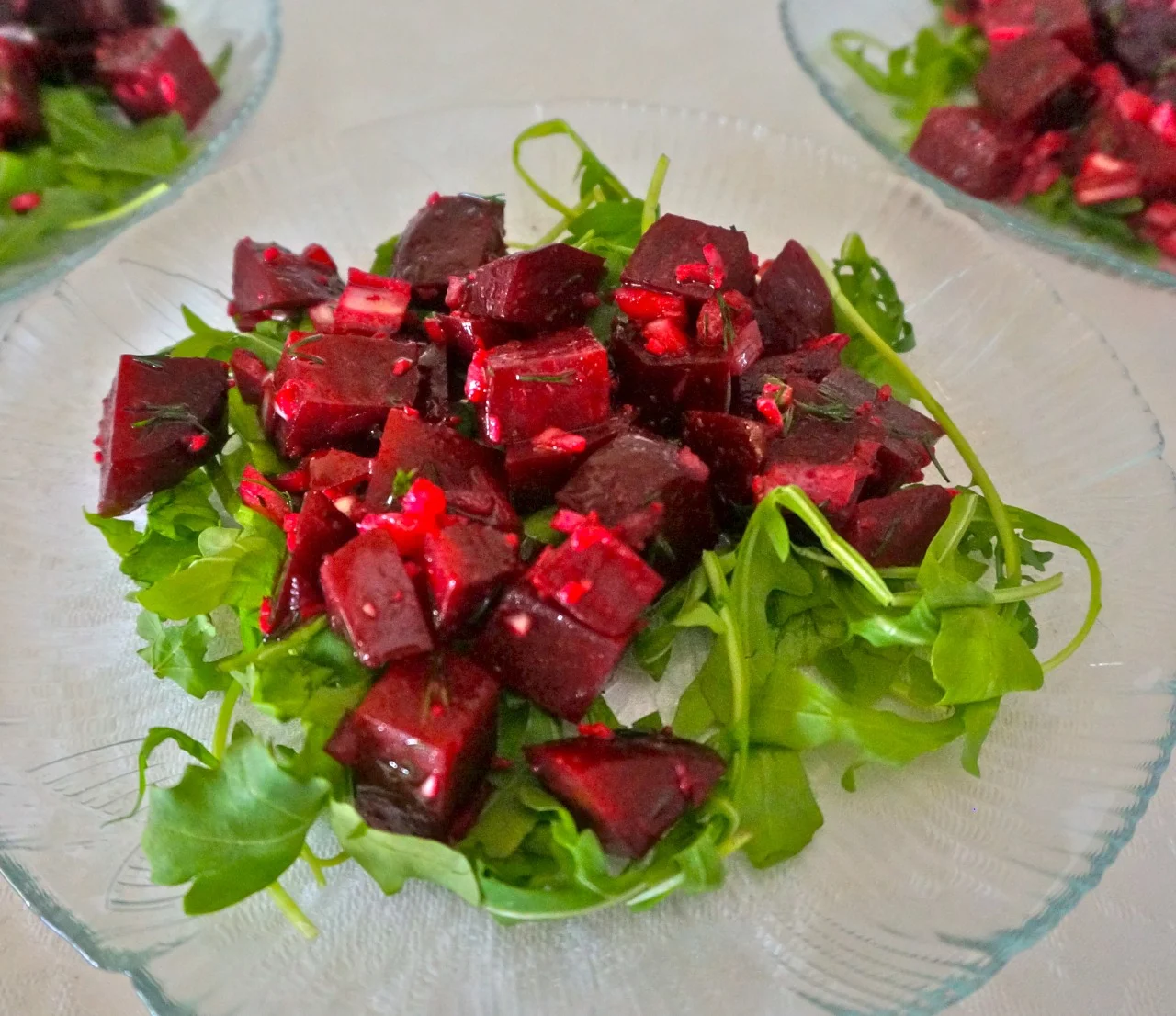
Beet Salad with Baby Arugula, Red Onions and Horseradish Vinaigrette

Jonathan Swift once said that it was a brave man who first ate an oyster.

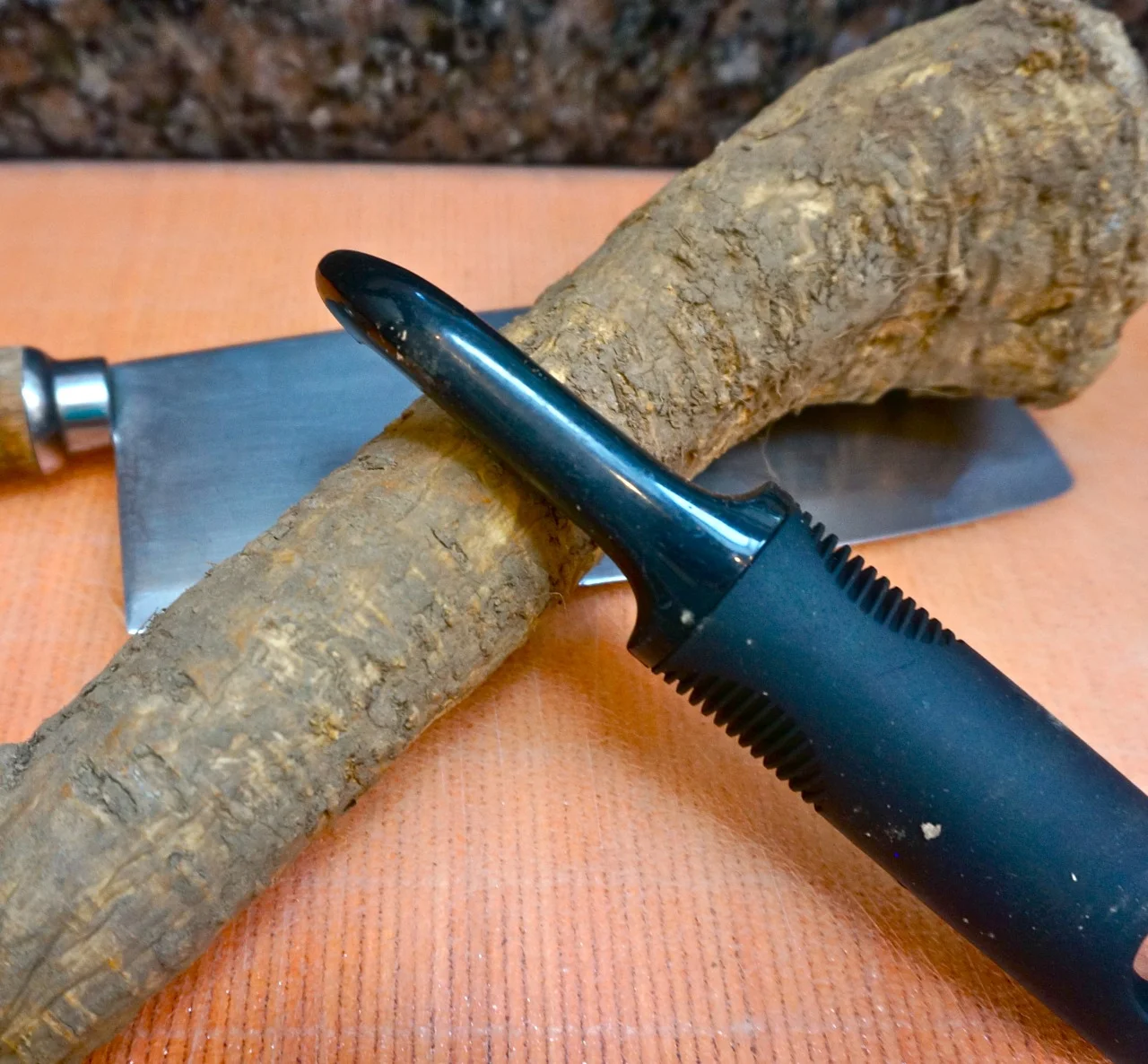
I’ll say something similar for horseradish. Whoever first tried it must have been awfully hungry. Horseradish is truly ugly, with an irregular shape and knobby bumps and hairy tendrils growing out of it. So it isn’t as if that brave soul couldn’t have resisted.

In addition, once you get through horseradish’s mottled, uneven, earth-colored peel you meet up with knock-you-over vapors so strong and pungent that they irritate your eyes and make your nose run. 

Well, whoever that was, I’m sure glad he/she did.

Horseradish is a wonder. I always have some in the house. So many things to do with it:

mix it with ketchup for homemade cocktail sauce

mix it with butter for use over steamed veggies

mix it with plain Greek yogurt for sauce over roasted salmon

mix it with creme fraiche as a topping for vegetable hash or frittata

And zillions of other things.

But horseradish makes a special presence during Passover, first as the bitter herb at my Passover table and second, as a replacement for the Dijon mustard that at other times is key to the vinaigrette dressings I use over salad.

For example, this Beet Salad with Baby Arugula. I often serve beet salad at my Seder in place of the fish course (because my daughter Gillian is allergic to fish). The recipe here is this year’s edition.

Beet Salad with Baby Arugula, Red Onions and Horseradish Vinaigrette

  • 6 medium beets

  • 1/4 cup chopped red onion

  • 1 tablespoon freshly grated white horseradish

  • 1 tablespoon chopped fresh dill

  • 3 tablespoons olive oil

  • 2 tablespoons apple cider vinegar

  • salt and freshly ground black pepper to taste

  • 3 cups packed baby arugula

Preheat the oven to 425 degrees. Scrub and trim the beets, cutting away the greens, if any. Wrap the beets tightly in aluminum foil and roast for about one hour or until the beets are tender. Remove the packet from the oven, open the foil and let the beets cool. Peel the beets, cut them into bite-size pieces and place in a bowl. Add the onions, horseradish and dill and toss the ingredients. Pour in the olive oil and cider vinegar and toss the ingredients. Season to taste with salt and freshly ground black pepper. Place equal amounts of arugula on each of 6 plates. Arrange the beet salad ingredients on top. Let rest for at least 15 minutes before serving.

Makes 8 servings

An InLinkz Link-up

Dairy-free Irish Soda Bread

I love Irish food. Loved it even before we actually tasted it for real in Ireland on our trip there several years ago.

I love the salmon. The boxty potato cakes. Guinness-laced beef stew. Scones.

And especially the soda bread.

The problem with soda bread though is that it’s usually made with buttermilk. So if you’re kosher and don’t eat dairy products at a meat meal, or if you have food sensitivities or allergies to dairy, you can’t have any.

Unless of course you have a very good dairy-free recipe. 

Which I do!

Here it is:

Dairy-free Irish Soda Bread

  • 3-1/2 cups all-purpose flour

  • 1 tablespoon brown sugar

  • 3/4 teaspoon salt

  • 1 teaspoon baking soda

  • 1-1/2 cups water

  • 1 tablespoon cider vinegar

  • 1/2 cup raisins

  • 1 teaspoon caraway seeds (optional)

Preheat the oven to 350 degrees. Lightly grease a baking sheet. Mix the flour, brown sugar, salt and baking soda in a bowl. Add the water and cider vinegar and mix the ingredients into a soft dough. Work in the raisins with your hands. If you use the caraway seeds, work them in at the same time as the raisins. Lightly flour a pastry board or a clean work surface. Knead the dough on the floured surface 18 to 20 times. Use more flour on the board if the dough seems sticky. Shape the dough into a ball, and then flatten it slightly. Cut a small “X” on the top with the tip of a sharp knife. Place the dough on the baking sheet and bake for 40 to 45 minutes or until golden brown.


(for dairy bread: use 1-1/2 cups buttermilk instead of the water plus cider vinegar)


Banana–Mango Bread with Chocolate Chunks

Next weekend is Purim, one of the merriest and noisiest of Jewish holidays. Children dress in costumes and run around swinging “groggers,”which are, essentially, very, very noisy noisemakers. Grownups are commanded to “make merry,&…

Next weekend is Purim, one of the merriest and noisiest of Jewish holidays. Children dress in costumes and run around swinging “groggers,”which are, essentially, very, very noisy noisemakers. Grownups are commanded to “make merry,” which usually involves an alcoholic beverage.

Some of my friends are baking hamantashen, the classic Purim cookie, 3-cornered and filled with jam or fruit puree in the center. They’re getting very creative with them: date-almond, chocolate-coconut, among others. Another friend has even created a video showing how to shape the classic hamantashen.

But I am not making hamantashen this year. I am making banana bread. Of course. Because I always make banana bread

One of the most important Purim traditions is giving away food to the poor and to friends and family. So this year my gifts will be banana bread.

I usually make banana bread because I always have too many bananas around the house. This time was different. I didn’t have enough bananas! A first for me!

But I did have a mango.

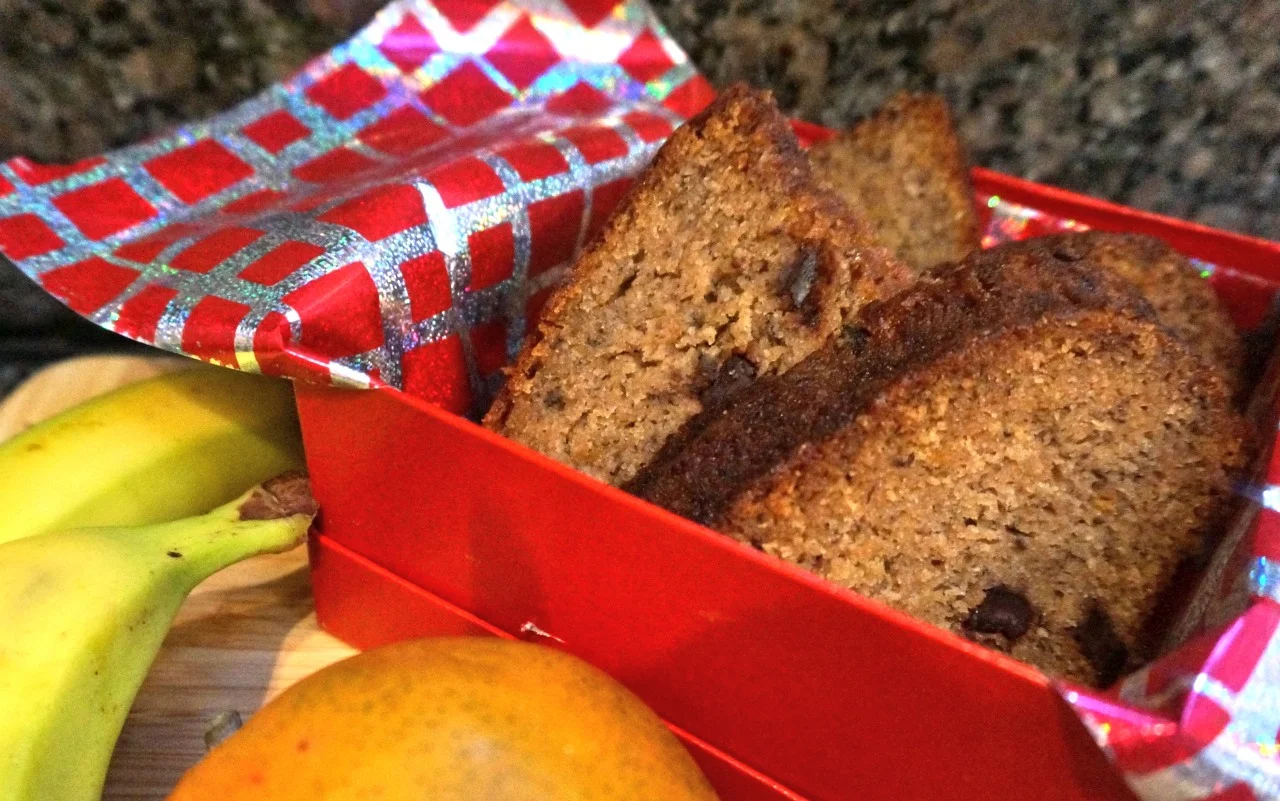
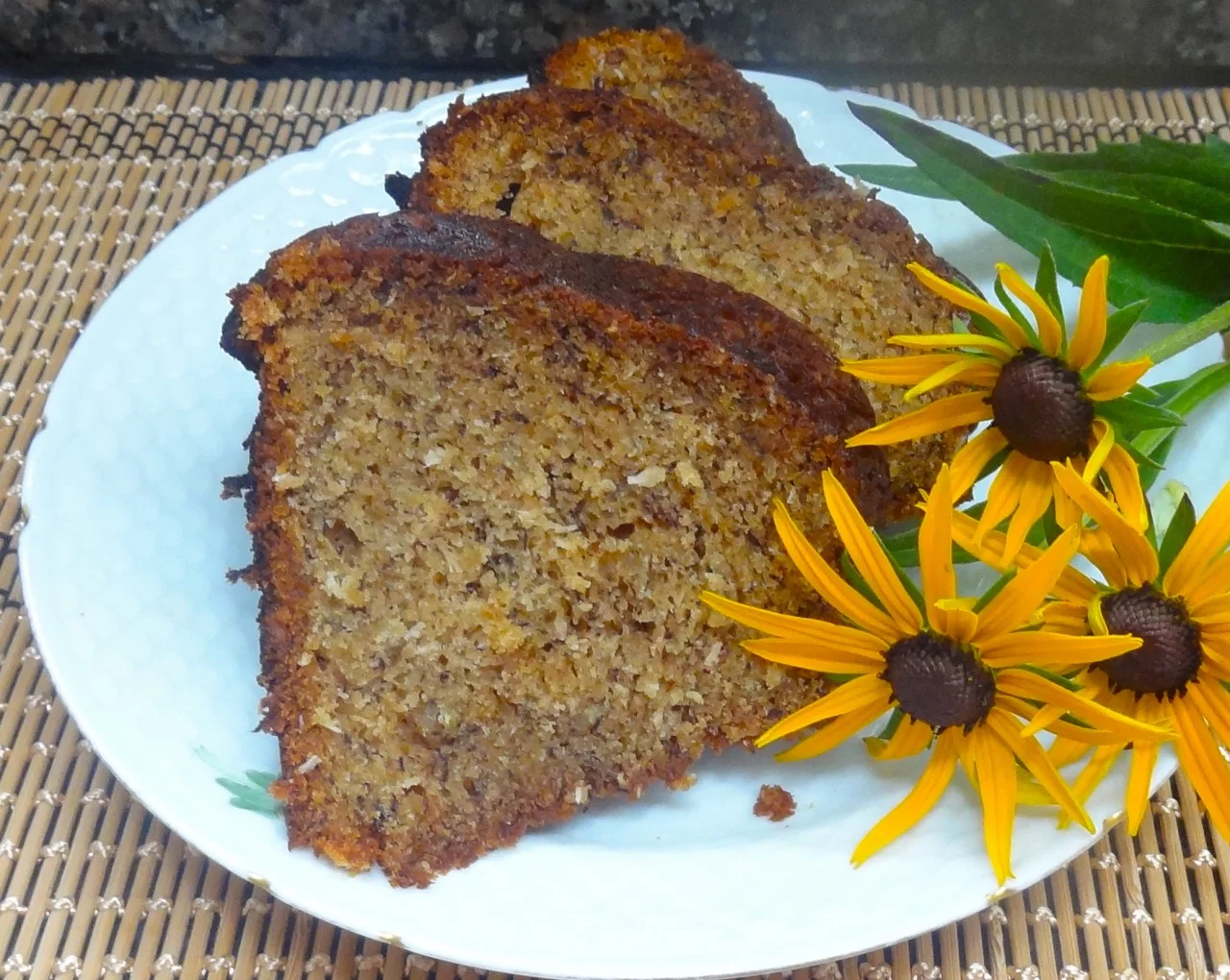
So here is the result of my tinkerings. Banana-Mango Bread. I threw in some chocolate chunks because, well, it can’t hurt right?

Guess you’ve already guessed: this freezes well.  

Banana–Mango Bread with Chocolate Chunks

2-1/2 cups all-purpose flour

1 teaspoon salt

1-1/2 teaspoons cinnamon

1/4 teaspoon grated fresh nutmeg

1 teaspoon grated fresh orange peel

2 teaspoons baking soda

1/2 cup vegetable shortening

1/2 cup coconut oil

1-1/2 cups sugar

3 medium ripe bananas, mashed

1 mango, flesh pureed

3 large eggs, slightly beaten

1/2 cup coconut milk

1/2 cup chocolate chunks


Preheat the oven to 350 degrees. Grease and flour a 10-inch (8-cup) bundt pan. Mix the flour, salt, cinnamon, nutmeg, orange peel and baking soda together in a bowl. In the bowl of an electric mixer set at medium speed, beat the shortening, coconut oil and sugar until well blended. Add the bananas and mango puree and blend in thoroughly. Add the eggs and beat well. Stir in the coconut milk and blend thoroughly. Add the flour mixture and beat until batter is well blended. Stir in the chocolate chunks. Pour the batter into the prepared pan and bake for 60-70 minutes or until a cake tester inserted into the center comes out clean. Remove from the oven and let cool in the pan for 15 minutes. Remove to a cake rack to cool completely.


Makes one bread, serving 16-18


Gluten-free Gingersnaps

A few weeks ago I wrote an article about sorghum syrup for The Jewish Week and mentioned that this sweetener (which was very popular before cheap, refined sugar came along) was gluten-free. 
But then I gave a recipe for sorghum-sweetened gingersnaps…

A few weeks ago I wrote an article about sorghum syrup for The Jewish Week and mentioned that this sweetener (which was very popular before cheap, refined sugar came along) was gluten-free. 

But then I gave a recipe for sorghum-sweetened gingersnaps and unfortunately the cookies were not gluten-free.

That was a mistake! 

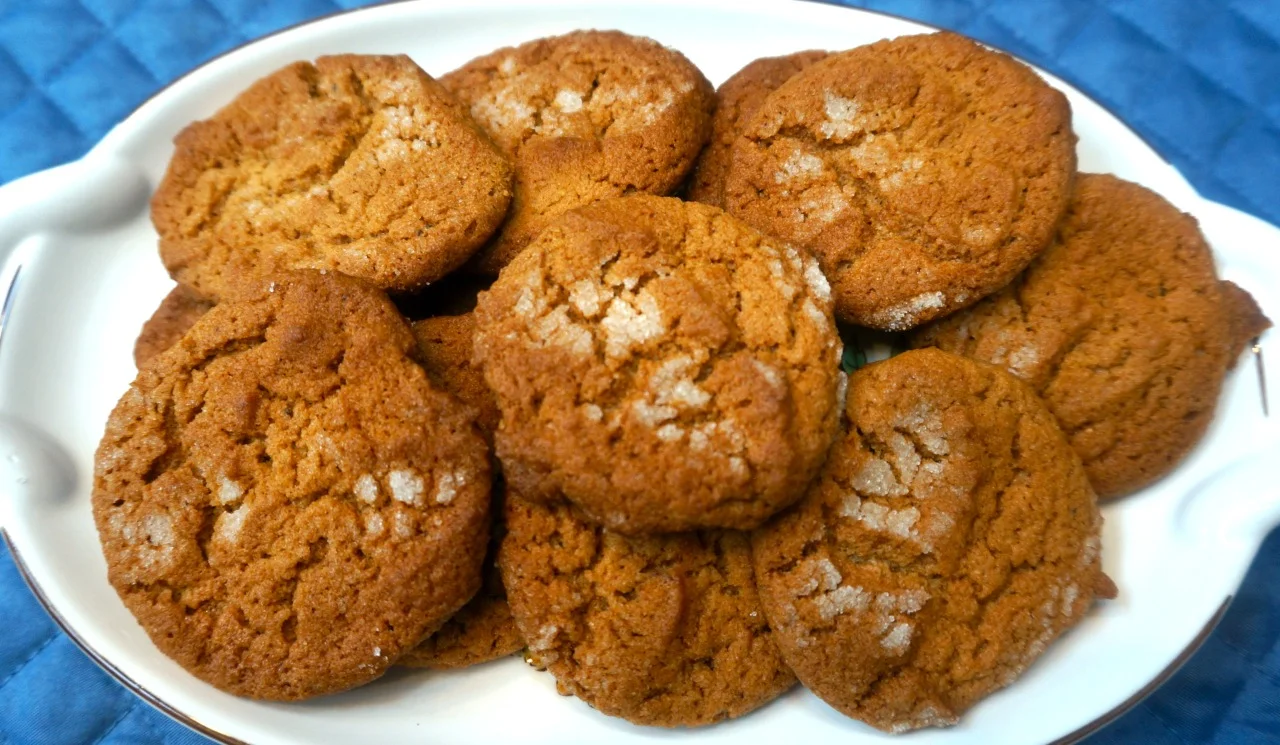
So here it is, a completely gluten-free recipe for gingersnaps. I like these even better than the original recipe. They are somewhat softer that regular gingersnaps.

Gluten-free Gingersnaps


3/4 cup vegetable shortening

1/4 cup coconut oil

1 cup sugar

1 egg

1/4 cup sorghum syrup

1 teaspoon vanilla extract

1 cup Bob’s Red Mill gluten-free flour

3/4 cup coconut flour

1/4 cup quinoa flour

1 tablespoon baking soda

1/4 teaspoon salt

1 teaspoon ground cinnamon

3/4 teaspoon ground ginger

3/4 teaspoon ground cloves

1/8 teaspoon grated nutmeg

2 tablespoons sugar


Preheat the oven to 350 degrees. Lightly grease a cookie sheet. Combine the shortening, coconut oil and sugar in the bowl of an electric mixer and beat at medium speed until well combined. Add the egg, sorghum syrup and vanilla extract and beat until well blended. Add the gluten-free flour, coconut flour and quinoa flour, baking soda, salt, cinnamon, ginger, cloves and nutmeg and beat until the dough is well blended, smooth and uniform in color. Scoop mounded tablespoons of the dough and place them on the prepared cookie sheet, leaving an inch space between each piece (you will have to repeat or use several cookie sheets). Sprinkle the dough lightly with sugar. Bake the cookies for about 12 minutes or until the cookies have spread and are flat and crispy, with lines on the surface.

Makes about 60


Buttermilk Pancakes

I don’t celebrate Mardi Gras, a/k/a Fat Tuesday a/k/a Pancake Day.But I DO celebrate pancakes, one of my favorite foods of all time.Just like my Dad used to make.Whatever you celebrate, if you love pancakes, they don’t get better than these: Butterm…

I don’t celebrate Mardi Gras, a/k/a Fat Tuesday a/k/a Pancake Day.

But I DO celebrate pancakes, one of my favorite foods of all time.

Just like my Dad used to make.

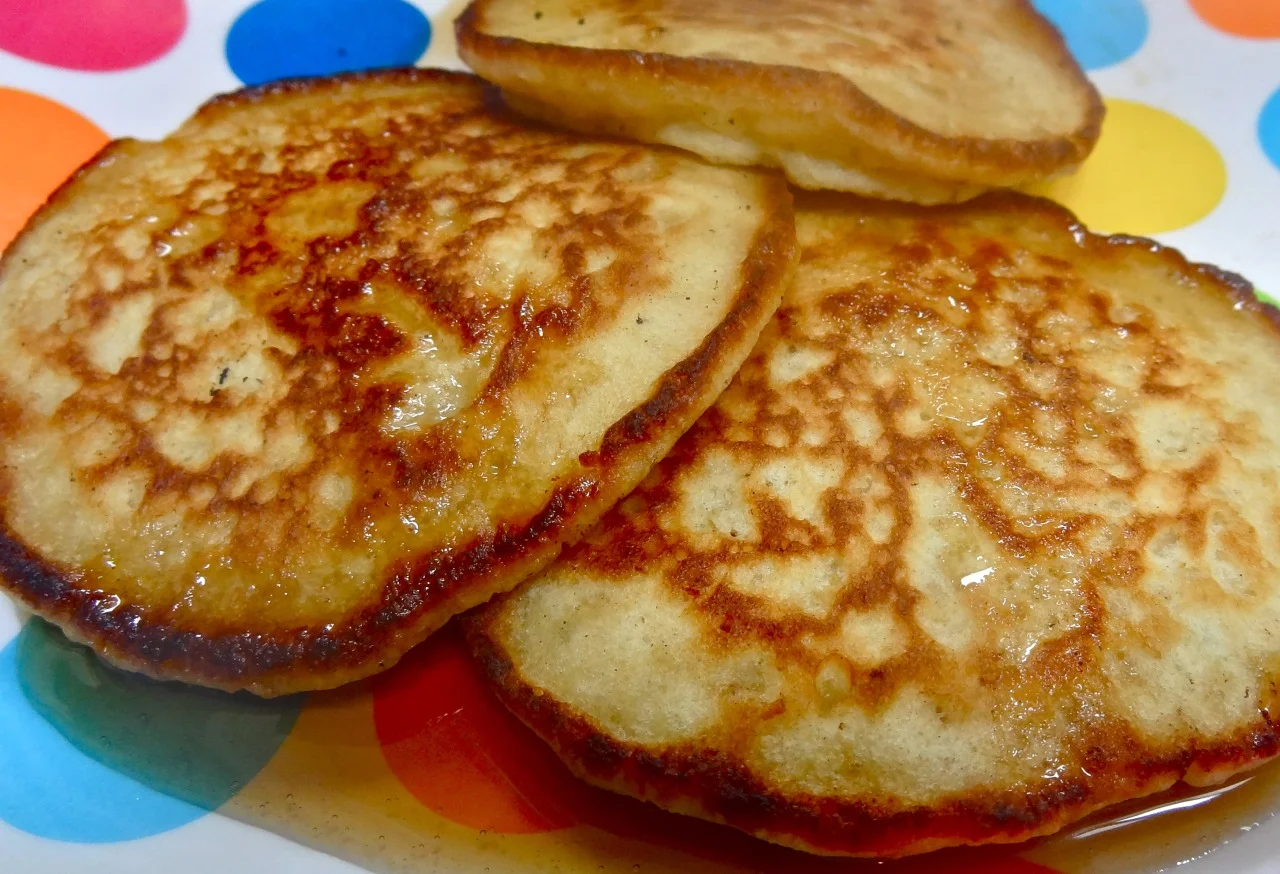
Whatever you celebrate, if you love pancakes, they don’t get better than these:


Buttermilk Pancakes


3 tablespoons butter

2-1/2 cups all-purpose flour

2 tablespoons sugar

1 teaspoon baking powder

1 teaspoon baking soda

1/2 teaspoon salt

1 large egg

3 cups buttermilk

butter for frying the pancakes


Melt the 3 tablespoons butter and set aside to cool. Sift the flour, sugar, baking powder, baking soda and salt into a bowl. In a second bowl mix the egg, buttermilk and melted, cooled butter. Add the liquid ingredients to the dry ones and mix to blend them but do not beat vigorously. Preheat a griddle or large saute pan over medium heat. Lightly butter the pan before cooking the pancakes. When the pan butter has melted and looks foamy, slowly pour about 2 tablespoons batter (for small pancakes) or more (for larger pancakes), leaving space between each pancake. Cook for about 2 minutes, or until bottom is lightly browned and bubbles form on the top. Flip the pancakes with a rigid spatula and cook for a minute or until the second side is lightly browned.


Makes 6-8 servings

Stir-fried Vegetables with Lemongrass and Coconut Curry

How’s this for a meatless Monday? Only the very best dish I ate in our travels through Malaysia: stir-fried vegetables in a coconut/curry sauce. It was so delicious I tried to duplicate it when we got home. After a few tries, voila! - here it i…

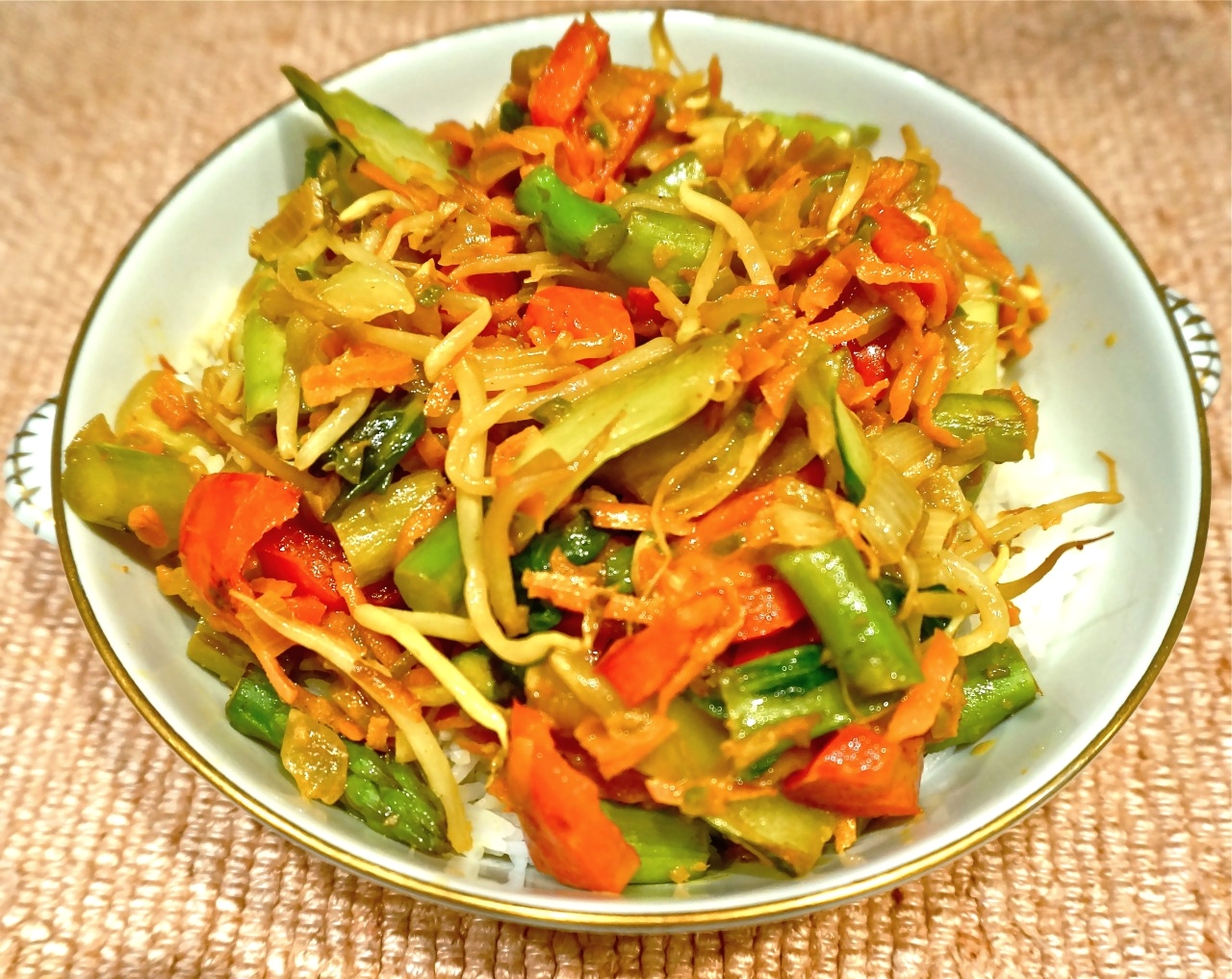
How’s this for a meatless Monday? Only the very best dish I ate in our travels through Malaysia: stir-fried vegetables in a coconut/curry sauce. It was so delicious I tried to duplicate it when we got home. After a few tries, voila! - here it is. 

I served it over rice, but noodles would be fine too.  

Stir-fried Vegetables with Lemongrass and Coconut Curry

  • 2 stalks lemongrass
  • 2 baby bok choy
  • 3 tablespoons vegetable oil
  • 8 asparagus spears, cut into bite size pieces
  • 2 medium carrots, shredded
  • 1 small red bell pepper, cut into cite size pieces
  • 3 tablespoons water
  • 1 large shallot, chopped
  • 2 teaspoons chopped fresh ginger
  • 2 cloves garlic, chopped
  • 1 small chili pepper deseeded and chopped
  • 1 cup bean sprouts
  • 1 teaspoon curry powder
  • 2 pinches ground cinnamon
  • 1/2 cup coconut milk
  • 1/4 cup vegetable stock
  • salt to taste
  • cooked rice

Remove the soft, inner core from the lemongrass bulbs and chop them into small pieces. Set aside. (Use the leaves for other purposes). Wash each bok choy leaf, snapping it off the stem to make individual pieces. Dry the leaves and set them aside. Heat 2 tablespoons of the vegetable oil in a wok or stirfry pan over medium-high heat. Add the bok choy leaves, asparagus, carrots and bell pepper and stirfry for one minute. Add the water, cover the pan and cook for about 2 minutes or until crispy and tender. Dish out the vegetables and set them aside. Discard any pan liquid. Heat the remaining tablespoon vegetable oil in the pan. Add the shallot, ginger, garlic, chili pepper and lemongrass and stirfry briefly. Return the vegetables to the pan. Add the bean sprouts and toss the ingredients to distribute them evenly. Sprinkle the ingredients with curry powder and cinnamon and toss. Pour in the coconut milk and vegetable stock. Sprinkle with salt to taste. Bring the ingredients to a simmer and cook for 2-3 minutes. Pour the vegetables and sauce over the rice and serve.

Makes 4 servings

Mulled Cider

Last night it was cold. 18 degrees out. I used a heating pad to warm up my bed before I got in and wore ugly, unfashionable long sleeved/long legged pajamas to bed.
It was 12 degrees outside this morning.
Really, folks. This is nasty. It’s tim…

Last night it was cold. 18 degrees out. I used a heating pad to warm up my bed before I got in and wore ugly, unfashionable long sleeved/long legged pajamas to bed.

It was 12 degrees outside this morning.

Really, folks. This is nasty. It’s time for crocuses, sunshine and at least 60 degrees.

Spring is around the corner.

I hope.

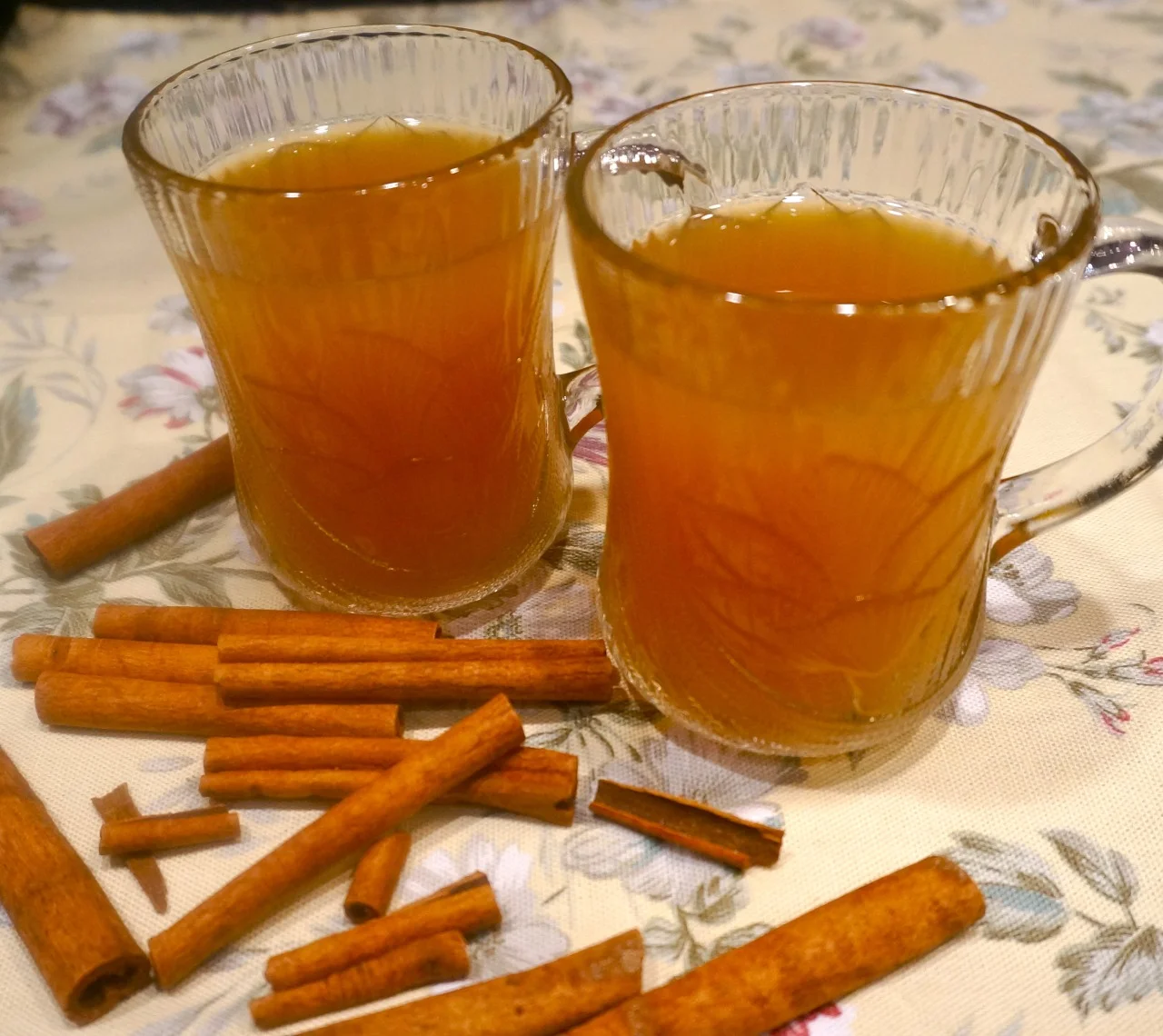
In the meantime, there’s always Mulled Cider to keep me warm.

Mulled Cider

8 cups apple cider

2 tablespoons maple syrup

2 whole cinnamon sticks, each about 3-inches long

1 teaspoon whole cloves

1 teaspoon whole allspice berries

peel of one orange cut into strips

cinnamon sticks, optional

Place the apple cider, maple syrup, cinnamon sticks, cloves, allspice berries and orange peel into a large saucepan. Bring the liquid to a simmer over medium heat and cook for 10 minutes. Strain the liquid and pour the cider into mugs. Garnish with a cinnamon stick if desired. Makes 8 servings

Banana Bread with Oats and Coconut

In case you haven’t heard and/or did not see the greeting cards in your local store, today is National Banana Bread Day.Well, that may be a big deal for some, but, as anyone who reads this blog knows, I bake banana bread more frequently than an…

In case you haven’t heard and/or did not see the greeting cards in your local store, today is National Banana Bread Day.

Well, that may be a big deal for some, but, as anyone who reads this blog knows, I bake banana bread more frequently than anything else and I have so many recipes that I’ve lost count of them, because I make a new version almost every time. 

I always buy too many bananas and then they get soft and no one wants to eat them so I make banana bread because I can’t bear to throw food away.

And the ironic thing about all this is that I am allergic to bananas, so I can’t eat them OR the bread. I love that fragrance though. Everyone else gets to enjoy the rest.

The version here includes coconut, coconut oil and quick oats, so it’s sweet, even though I’ve cut down on the sugar somewhat. And the oats help make it really tender.

Happy National Banana Bread Day.


Banana Bread with Oats and Coconut

2 cups flour

1/2 cup quick cooking oats

1/2 cup grated coconut

2 teaspoons baking soda

1-1/2 teaspoons cinnamon

1 teaspoon salt

1/2 cup coconut oil

1/2 cup Earth Balance buttery spread (or shortening)

1-1/3 cups sugar

4 large very ripe bananas, mashed

4 large eggs, slightly beaten


Preheat the oven to 350 degrees. Grease and flour a 10-inch (8-cup) bundt pan. Mix the flour, oats, coconut, baking soda, cinnamon and salt together in a bowl. Set aside. In the bowl of an electric mixer beat the coconut oil, Earth Balance and sugar at medium speed until well blended, about one minute. Add the bananas and blend them in thoroughly. Add the eggs and beat the ingredients well. Add the flour mixture and beat until batter is well blended. Pour the batter into the prepared pan and bake for 55-60 minutes or until a cake tester inserted into the center comes out clean. Remove from the oven and let cool in the pan for 10 minutes. Remove to a cake rack to cool completely.

Makes one bread, serving 16-18


Baked Pears

Did you ever wonder where cinnamon came from? I don’t mean the place, I mean the plant. I knew that it was produced from tree bark, but never would have recognized the tree.
Well, here it is. A guide showed this tree to us as we walked through…

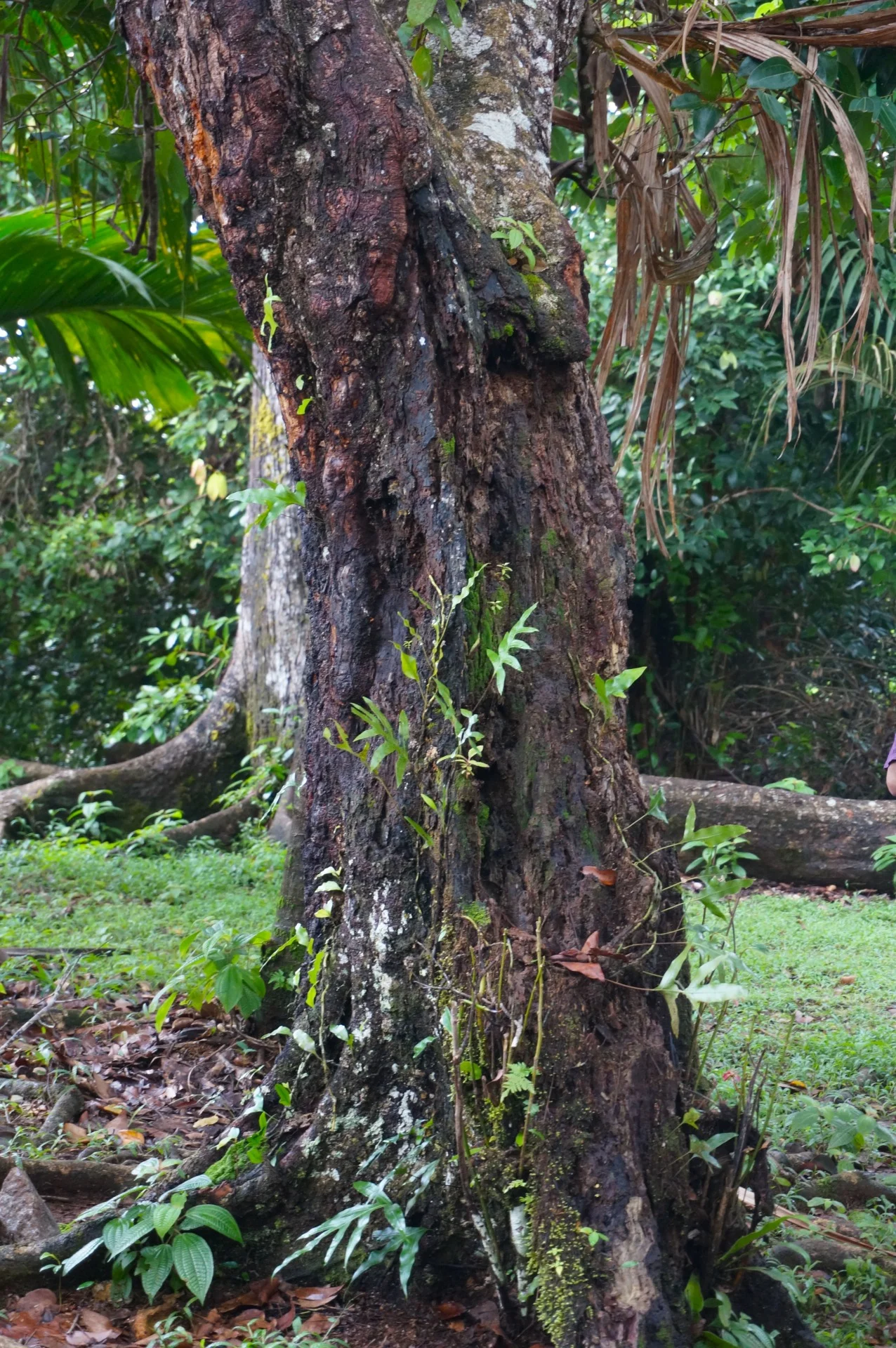
Did you ever wonder where cinnamon came from? I don’t mean the place, I mean the plant. I knew that it was produced from tree bark, but never would have recognized the tree.

Well, here it is. A guide showed this tree to us as we walked through the magnificent Botanical Garden in the Seychelles. A cinnamon tree!

It makes sense that one of our most used and most beloved spices comes from something so regal, magnificent, stately. 

Not only is the tree a beauty to behold, but it’s fragrant as well. Scratch the surface with a finger and there’s no mistaking what it is.

In the Seychelles you can buy thick pieces of cinnamon bark in most markets. Our guide told us that cinnamon sticks, which don’t have the crusty, rugged surface, are taken from the young limbs of the tree. The bark, apparently, has several kinds of medicinal benefits. But the sticks, as most of us know, make all sorts of food taste wonderful.

Like these baked pears, a warm, sweet-scented, lovely-looking dessert.


Baked Pears


4 large ripe pears

half a lemon

1 cup red wine

1 cup sugar

2 cinnamon sticks

6 whole cloves

pinch of salt, optional

crushed amaretti cookies, optional


Preheat the oven to 350 degrees. Peel the pears, cut them in half and remove the cores. Rub the cut surface with the lemon half, reserving the lemon. Place the pears in a baking dish. In a saucepan, combine the wine, sugar, cinnamon sticks, cloves, salt and the half lemon. Bring the liquid to a boil over high heat, cook for two minutes and remove the pan from the heat. Let the mixture cool for 2-3 minutes. Strain the liquid and pour it over the pears. Cover the baking dish and bake the pears for 20 minutes, basting them once or twice. Uncover the dish and bake for another 10 minutes, basting once or twice, or until the pears are tender. Let the pears cool slightly. Serve topped with pan juices and crushed amaretti cookies. Makes 4-8 servings

Mai Tai

All the snow this winter got me to thinking about the beach.I don’t actually love the beach. I have very fair, freckled skin and spent my youth getting red and sunburned, then peeling, then back to very fair and freckled. Never got a tan. What was t…

All the snow this winter got me to thinking about the beach.

I don’t actually love the beach. I have very fair, freckled skin and spent my youth getting red and sunburned, then peeling, then back to very fair and freckled. Never got a tan. What was the point of even trying?

But beach sounds good when it’s 18 degrees out and there is a foot of snow on your lawn and more coming.

Ed and I did take short beach vacations occasionally. And it’s those I was thinking about in the past couple of days. Those days away gave us a chance to sleep late, do nothing and drink more than usual for 3 or 4 days. Not that we drink much when we’re home.

But on one particular occasion when we were really really tired and needed a good rest, we took ourselves to the Bahamas and on the first full day there we sat ourselves down at the beach at 10:30 a.m. and some nice woman came over and asked if she could get us something to drink. By 10:45 we downed our first Mai Tai.

If you’ve never had a Mai Tai, let me just say, they are potent. Especially if you start drinking them at 10:45 a.m. Even if they are watered down at a resort bar.

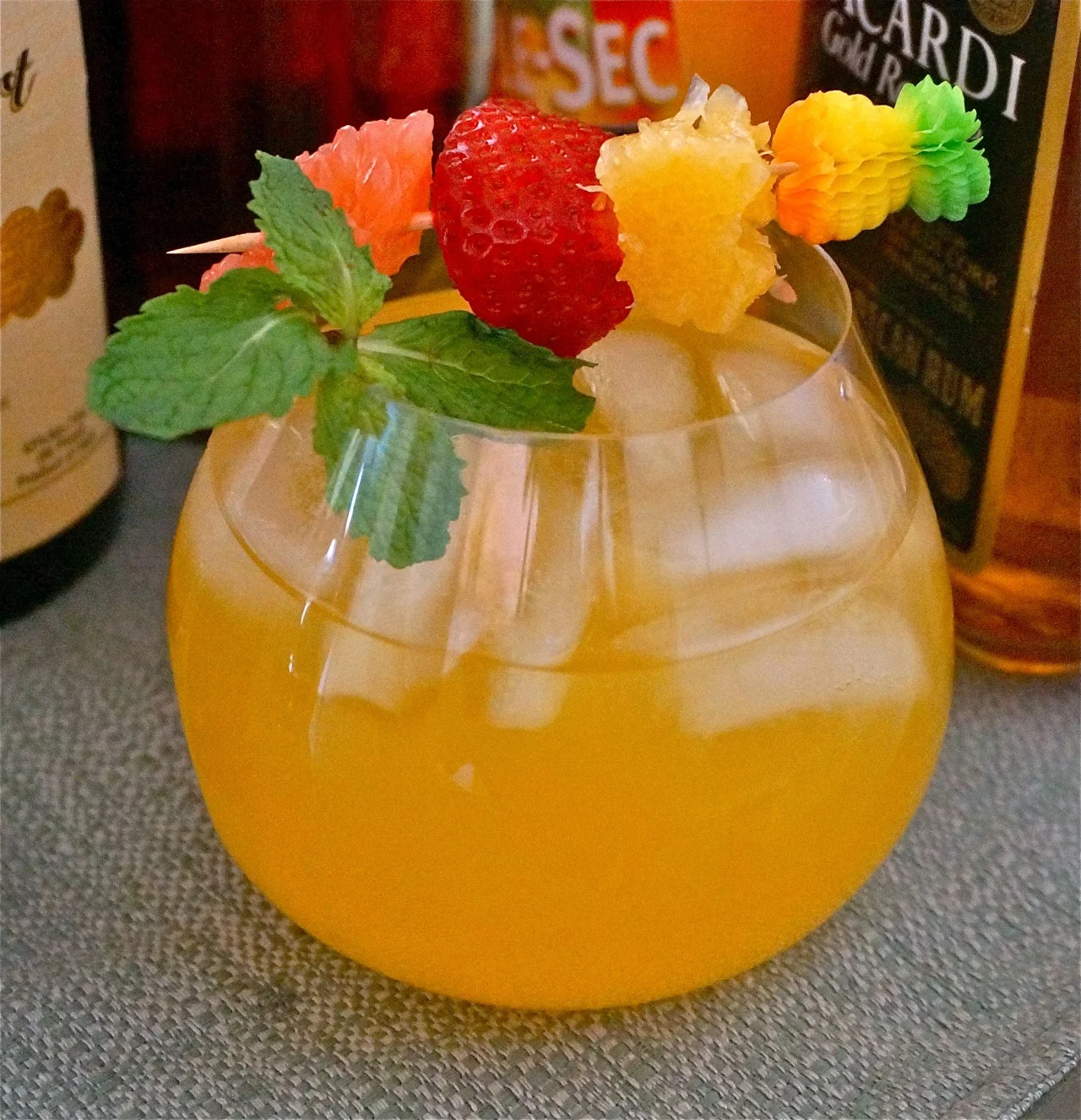
A real Mai Tai is made with rum, orange Curacao, lime juice, sugar syrup and orgeat, which is an almond flavored syrup. At beach resorts they sometimes add pineapple and/or orange juice.

I don’t know if the Mai Tais we drank were authentic or not. They tasted good. They must have because Ed told the woman to come back every hour with another round and so by the time we left the beach in the afternoon we had had, let’s say, quite a few and were feeling pretty merry. We had french fries for dinner and called it a day.

The original Mai Tai may have been a creation of Victor Bergeron Jr. (Trader Vic). He said that he concocted the drink at his Oakland, California restaurant in the 1940s and when he served it to some Tahitian friends they said “Mai Tai Roa Ae,” which apparently means “this stuff is beyond wonderful” or “out of this world” or “the best” and that’s how the cocktail got its name.

Vic’s competitor during the Polynesian food and drink trend (popular post World War II), was a man named Ernest Gantt (who changed it to Donn Beach), and he said he invented it at his restaurant, Don the Beachcomber, back in the 1930s.

I don’t care who was first. I’ll leave that debate to the men’s heirs.

All I know is, this tastes really out of this world and I have a feeling there will be one in my near future.

Mai Tai

1 ounce light rum

3/4 ounce lime juice

1/2 ounce Orange Curacao or Triple Sec

1/4 ounce sugar syrup

1/4 ounce orgeat

1 cup crushed ice or about 12 ice cubes

1 ounce dark rum

mint sprig

Place the light rum, lime juice, Curacao, syrup, orgeat in a cocktail shaker filled with the ice. Shake vigorously. Pour the mixture into a tumbler. Pour the dark rum on top, stir gently. Add a sprig of mint for garnish.

Makes one