Jewish food

Borscht with Cumin and Crumbs

Kids are often fussy eaters. So you know you’ve cooked something really good when the little ones like it.

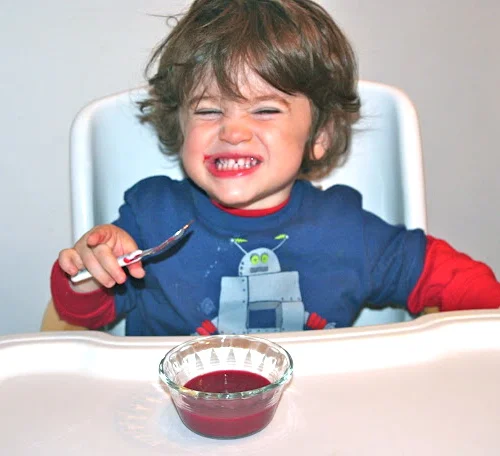
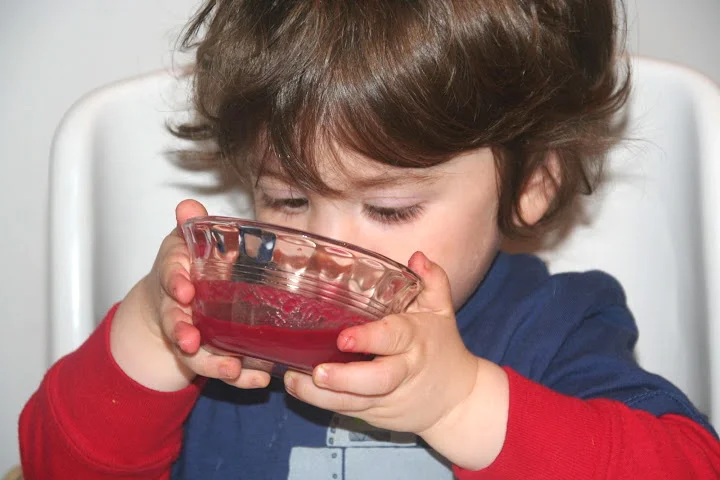
Here’s my grandson sipping up soup. Borscht to be exact. I’ve been experimenting with different versions. A few days ago I posted one for Borscht with Orange and Mint. But this one’s equally delicious. I have to confess the idea for this version came from a sample of Beet Borscht I tasted at Per Se, that fabulous, fabulous food heaven in New York. No, this recipe is not up to Thomas Keller’s restaurant standards.

But it is good and will do! 

Borscht with Cumin and Crumbs

  • 3 large or 4-5 medium beets
  • 2 tablespoons olive oil
  • 1 tablespoon butter or margarine
  • 1 medium onion, chopped
  • 1 tart apple, peeled, cored and chopped
  • 2 cloves garlic, chopped
  • 1 teaspoon chopped fresh ginger
  • 1 teaspoon ground cumin
  • salt and freshly ground black pepper to taste
  • 4 cups water
  • 1 cup cream, coconut milk or soy milk, optional
  • 2 slices rye bread with caraway seeds

Preheat the oven to 450 degrees. Scrub the beets, wrap them in aluminum foil and roast for about an hour, or until the beets are tender. When the beets are cool enough to handle, remove the skins. Chop the beets and set them aside. Reserve any natural liquids that have accumulated. Heat the olive oil and butter in a soup pot or large saucepan over medium heat. When the butter has melted and looks foamy, add the onion, apple, garlic and ginger and cook for about 5 minutes, or until the ingredients have softened. Add the beets (plus any accumulated juices), cumin, salt and pepper and stir. Pour in the water. Bring the soup to a simmer and cook for about 20 minutes. Puree the soup with a hand blender or in a food processor or blender. Return the soup to the pan to heat through. For a creamier, thinner soup, add the cream. Toast the bread slices. Chop or hand crumble the bread into the soup as a garnish.

Makes 4-6 servings

Salmon Latkes with Lemon-Scented Mayo on Matzo

DSC02238.jpeg

Half a lifetime went by before I understood the unique wonderfulness of sandwiches on matzo. As a kid I felt awkward and embarrassed bringing cream cheese and jelly or egg salad sandwiches on matzo in my school lunch.

No matter that several other kids did the same thing. I thought it was weird and I hated it.

Nevertheless, even then I had to confess, if only to myself, that those sandwiches were really really good. The crunch and crispiness of matzo was perfection against anything soft inside. So if it was anything creamy or tender, like tuna or chicken salad, well, that was good. If weird.

Roast beef? Not so much. Too hard to chew a piece while at the same time trying to keep the matzo from crumbling into a million pieces.

My Mom sometimes made salmon latkes to eat on matzo. I would never bring this to school. Much too weird I thought. Too fishy. It might smell.

Kids are embarrassed by those sorts of things.

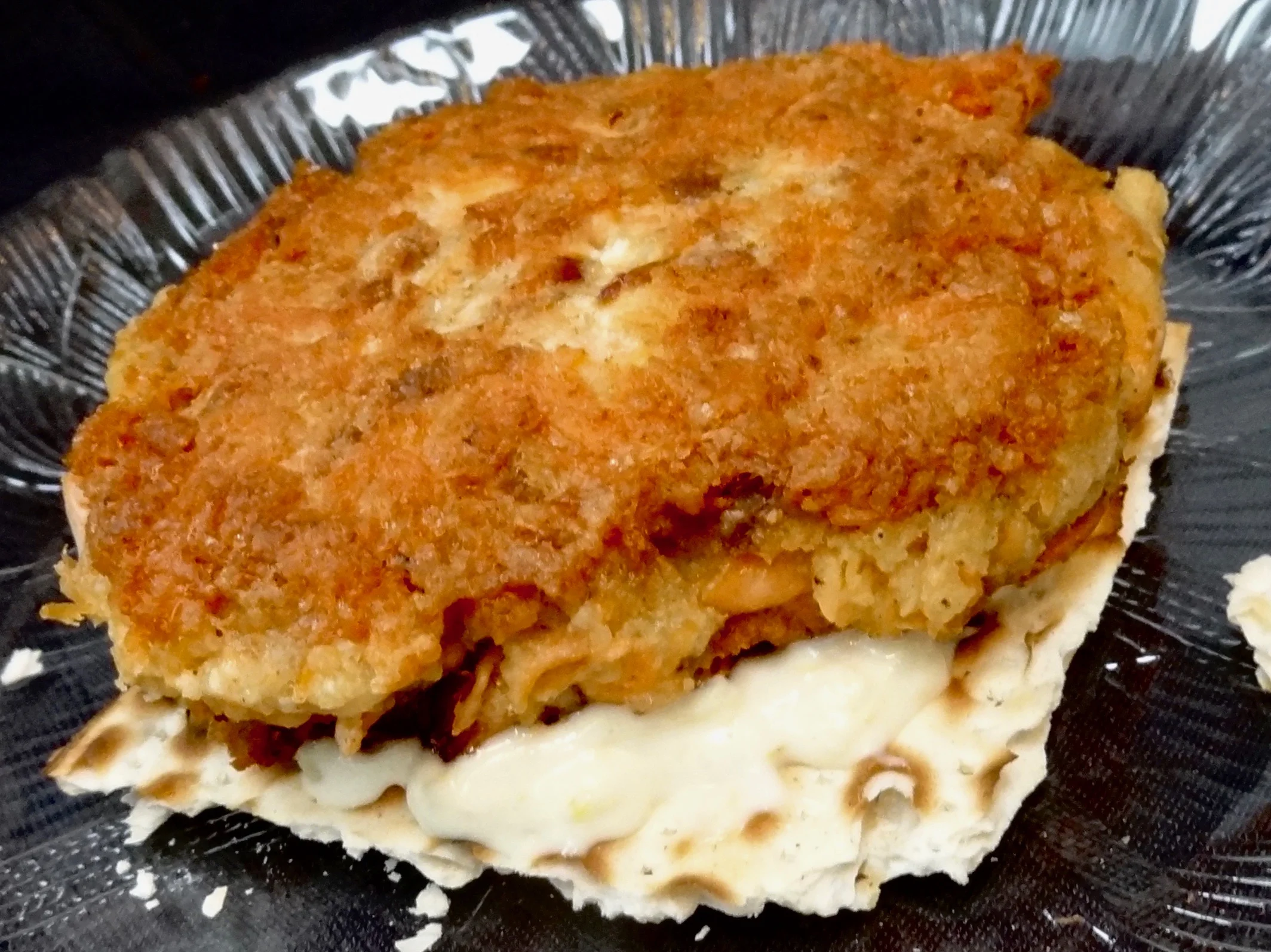
But at home? Well, salmon latkes on matzo (with a dollop of lemon-scented mayo) is a real treat.

Try it for yourself!

SALMON LATKES WITH LEMON-SCENTED MAYO ON MATZO

  • · 2 cups mashed cooked salmon

  • · 2 large eggs

  • · 1/2 cup matzo meal

  • · 1 small grated onion, optional

  • · 1 tablespoon chopped fresh dill, optional

  • · salt and freshly ground black pepper to taste

  • · vegetable oil

  • · mayonnaise

  • · lemon juice

  • · grated fresh lemon peel

  • · matzos

In a bowl, mix the salmon, eggs, matzo meal, onion, if used, dill and salt and pepper to taste until well combined. Heat about 1/8-inch vegetable oil in a saute pan over medium heat. Shape the salmon mixture into 8-10 cakes. Fry for 2-3 minutes per side or until crispy. Drain on paper towels. Eat plain or with Lemon-Mayo on Matzo.

Makes 8-10

For each portion Lemon-Mayo, mix mayonnaise (2 tablespoons) with 2 teaspoons lemon juice and 1/2 teaspoon grated lemon peel per portion. Spread on a half piece of matzo, top with one salmon latke.

Chremslach

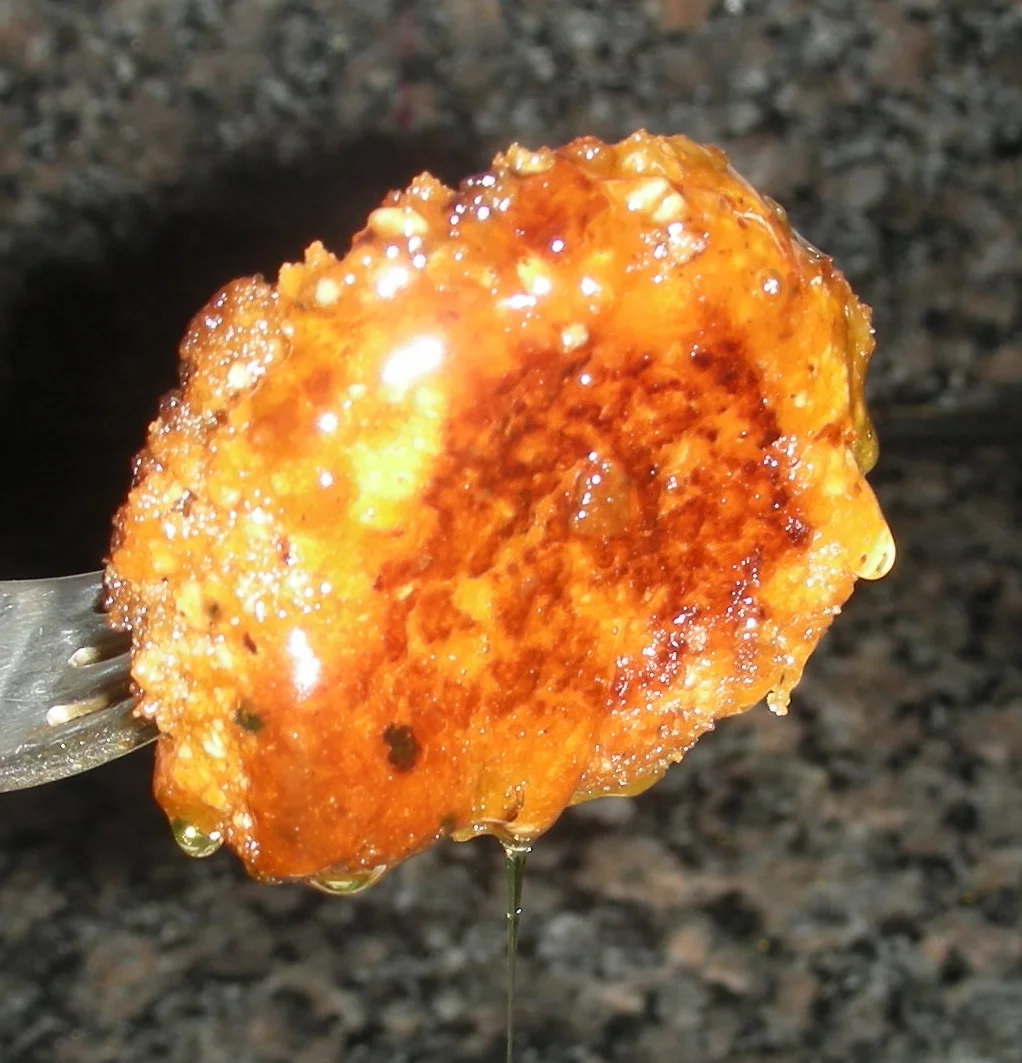
Passover wouldn’t be right without Chremslich. My grandma’s soft, honey-drenched matzo fritters.
I can’t remember ever having a Seder without these. 
Some people eat chremslich for dessert but grandma always served them with the tu…

Chremslach

Passover wouldn’t be right without Chremslich. My grandma’s soft, honey-drenched matzo fritters.

I can’t remember ever having a Seder without these. 

Some people eat chremslich for dessert but grandma always served them with the turkey, right alongside whatever vegetables there were. Like the cranberry sauce at Thanksgiving.

There are hundreds of recipes for chremslich and I’ve tried many. But none measure up to the ones I’ve known since before I can even remember.

Except that my grandmother added broken walnuts to hers and my daughter Gillian is allergic to walnuts so I make mine with pignolis, to which my brother Jeff always says “it’s better with walnuts,” but it actually isn’t.

I have also included raisins, on occasion, just to see what it’s like. And once in a while, grated fresh orange peel. Although methinks that the orange peel, though delicious, might be a bit too nouvelle for some people.

Maybe.

Anyway, here’s grandma’s recipe. I hope this is one of those recipes that my kids make in years to come. I can’t imagine Passover without these.

Btw, you can make these days in advance and keep them in the honey — and add more honey because by then the fritters are soaked through. And they are just as good. Some would say even better.

Or you can keep the fritters and honey separate and cook them together just before you serve them.

Chremslach

  • 3 large eggs

  • pinch of salt

  • 1 tablespoon vegetable oil

  • 1 teaspoon grated fresh lemon or orange peel, OPTIONAL

  • 1/4 cup sugar

  • 3/4 cup matzo meal

  • vegetable oil for frying

  • 1 pound honey, approximately

  • 1/2 cup raisins, OPTIONAL

  • 1/3 cup pignoli nuts (or use 1/2 cup chopped walnuts)

Separate the eggs. In a bowl, beat the egg yolks, salt and one tablespoon vegetable oil together until well blended. Stir in the citrus peel, if used, and set aside. In a separate bowl, beat the egg whites until foamy. Gradually add the 1/4 cup sugar and continue to beat until the whites stand up in peaks. Fold the beaten whites into the egg yolk mixture. Fold in the matzo meal. Let the mixture rest for about 30 minutes (I refrigerate). With cool, wet hands, shape portions of the mixture into disks about 1-1/2-inches in diameter and 1/2-inch thick (sometimes I drop the batter by the tablespoonful into the pan). Heat about 1/4-inch vegetable oil in a saute pan over medium heat. Fry the disks for 1-2 minutes per side or until golden brown on both sides (you may have to flatten them slightly with a rigid spatula). Drain on paper towels and place the fried disks in a large saucepan. Pour the honey over the disks. Add the raisins, if used, and the nuts. Cook over low-medium heat for 5-6 minutes or until heated through and all the disks are coated with honey. Serve immediately or make ahead and reheat. Add more honey as tastes dictate.

Makes 10-12 servings

Orange-Honey-Nut Tart

What to do with MacaroonsIn the old days we ate macaroons straight out of the can. That was dessert.But there are so many delicious things you can do with plain old macaroons. Like use them to make a crust for cheesecake. Or crumble them to top a fr…

What to do with Macaroons

In the old days we ate macaroons straight out of the can. That was dessert.

But there are so many delicious things you can do with plain old macaroons. Like use them to make a crust for cheesecake. Or crumble them to top a fruit crisp. Or break them up into a parfait dish with ice cream and chocolate sauce.

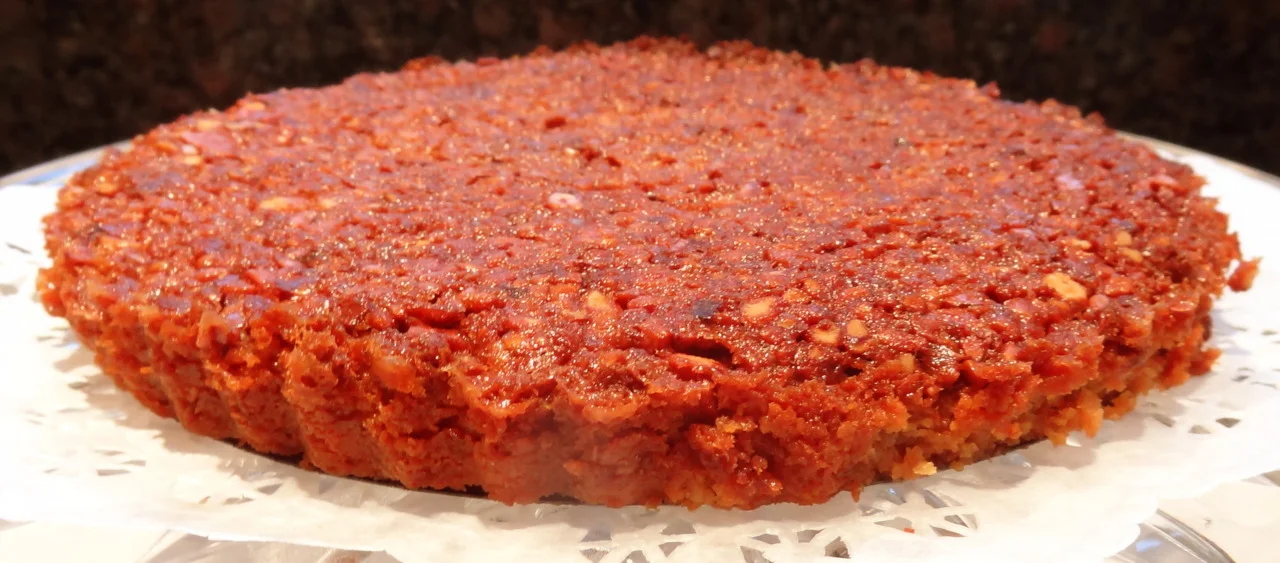
Or make this fabulously rich tart. It’s sort of like a Chess Pie or Pecan pie. With a macaroon crust. 

Make it ahead and keep it in the fridge for 2-3 days. You won’t be sorry.


Orange-Honey-Nut Tart


18-20 macaroons

2/3 cup honey

1/2 cup butter

1/3 cup sugar

3/4 teaspoon salt

1/2 cup cream (light, whipping or half and half)

2 large eggs

1 tablespoon grated fresh orange peel

1 cup medium-fine chopped almonds


Preheat the oven to 375 degrees. Lightly grease the bottom and sides of a 10-inch tart pan with removable bottom. Crumble the macaroons and press them onto the bottom and sides of the greased pan. Set aside. Place the honey, butter, sugar and salt and bring to a boil over medium-high heat, mixing constantly. Cook for about a minute or until the sugar has completely dissolved. Set aside to cool slightly. In a bowl, beat the cream, eggs and orange peel together until well blended. Pour in the honey mixture and blend ingredients thoroughly. Pour the mixture into the macaroon crust. Scatter the nuts on top. Place the tart in the oven and bake for about 30 minutes or until golden brown. Let cool.

Makes 8 servings

How to Cook Brisket, plus Mango-Honey Barbecue Sauce

I never liked my mother’s brisket. In fact I didn’t like brisket at all until recently. To me it was always this brown, wet meat and the slices were too narrow and lean. And unless the meat was cut into very thin slices, it was tough and stringy.My …

How to make brisket

I never liked my mother’s brisket. In fact I didn’t like brisket at all until recently. To me it was always this brown, wet meat and the slices were too narrow and lean. And unless the meat was cut into very thin slices, it was tough and stringy.

My mother always used first cut brisket.

Then I met my mother-in-law, who used second cut brisket.

My parents and in-laws actually got along and were good friends who travelled together. Even so, you can imagine what each of the women had to say about the other one’s recipe. 

My mother said second cut brisket was too fatty. My mother-in-law said first cut wasn’t fatty enough.

I thought both were still too tough, too wet and too stringy.

So I experimented. Because that’s what I do. And in the process learned quite a lot about cooking this particular portion of meat.

Which can be tough and stringy if you don’t cook it right. And wet if you don’t do something good with the pan juices.

I buy a whole brisket. First and second cut. Yes, it’s way too big for my family, but I freeze some of it (portions from the fatty and lean parts together to please everyone tastes) because braised meat holds up very well in cold storage. A whole brisket has enough fat to enrich the meat, so that the leanest portions are more flavorful. And after the cooking has ended, you can cut away any excess fat that you don’t actually want to eat.

The real trick to brisket is LONG SLOW cooking.

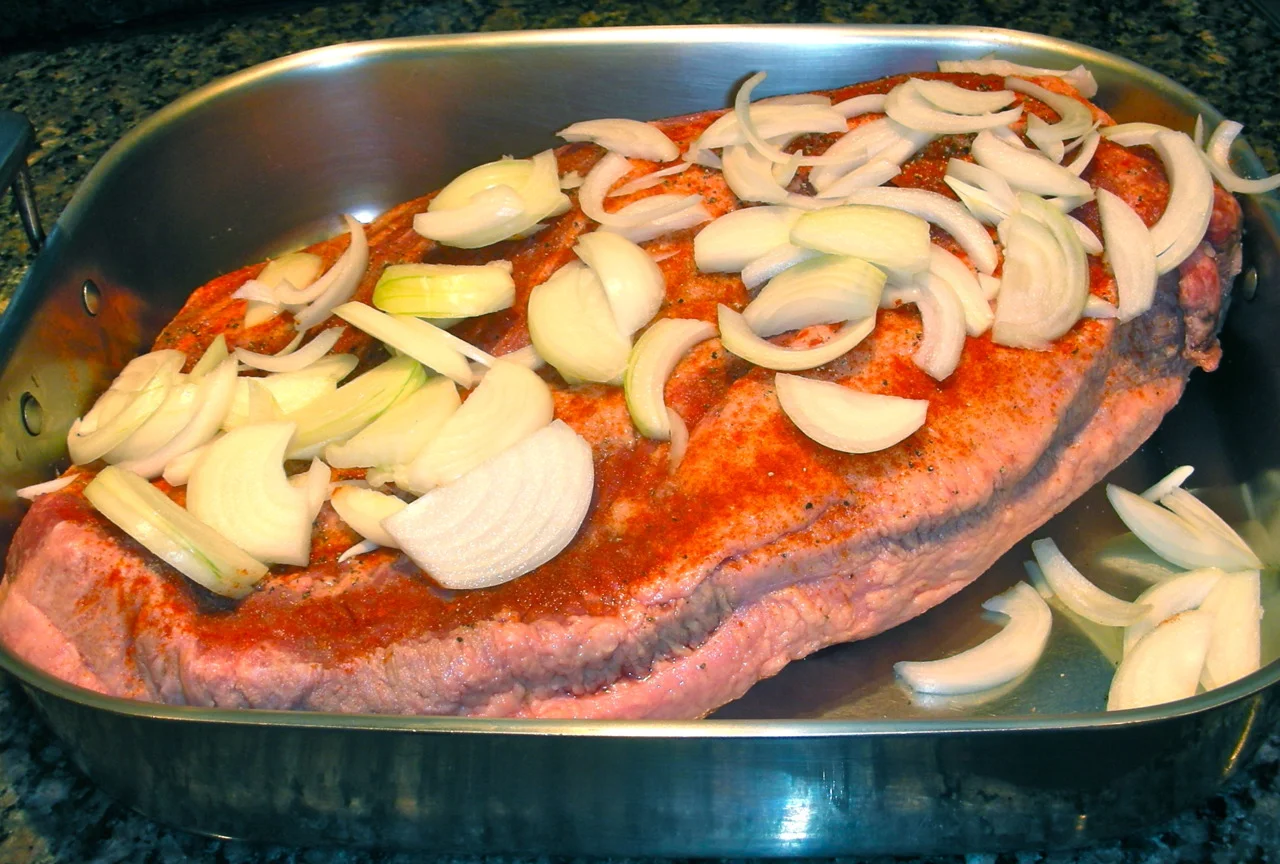
Here’s what I do: you can see from the photo that all I do is season the meat with garlic powder, pepper and paprika (and salt if necessary). I scatter a lot of onions on top and throughout the pan. I cover the pan tightly with aluminum foil.

NO STOCK. NO WATER. NO WINE.

It doesn’t need anymore liquid. The onions and the meat give off enough.

I put the pan in a cold oven before I go to bed at night, set the oven to bake at 250-275F degrees and go to sleep.

The next morning the brisket alarm clock wakes me up about many hours (for a large brisket 8 hours) later with the most glorious aroma ever. (Actually it competes with the coffee, which is set to brew just about when the meat is done.) If you choose a smaller portion, say a first or second cut piece, obviously, it takes less time (let’s say 4-5 hours).

But don’t follow those recipes that tell you to cook brisket at 350 degrees! Your pot roast will rebel and show you how tough it is.

I usually don’t serve brisket with the pan gravy. Sometimes I strain the juices and use it for soup. Sometimes I boil the pan gravy down and use it for things like mashed potatoes. Sometimes I puree the juices with the onions. It really all depends on my particular culinary needs at the moment.

As for the brisket: none of us likes it wet. So I let the meat cool and put it on the grill (or under the broiler or in a 425F oven), and keep slathering the surface with barbecue sauce and cook the meat until it is hot and crispy to a mahogany glaze on the surface. 

This is not wet, stringy or tough. It’s just dee-lish!

The sauce I frequently use as a glaze is not appropriate for Passover. But here’s one that’s just fine.

Mango-Honey Barbecue Sauce

  • 1 large ripe mango

  • 1 tablespoon vegetable oil

  • 1 medium onion, finely chopped

  • 1 large clove garlic, finely chopped

  • 1 teaspoon finely chopped fresh ginger

  • 1 teaspoon grated fresh orange peel

  • 1 cup bottled chili sauce

  • 1/4 cup orange juice

  • 1/4 cup honey

  • 1/4 teaspoon cayenne pepper

Peel the mango and puree the flesh in a food processor. Heat the vegetable oil in a nonstick saucepan over medium heat. Add the onion and cook for one minute. Add the garlic and ginger and cook for another minute. Add the orange peel, mango puree, chili sauce, orange juice, honey and cayenne pepper. Stir to blend the ingredients thoroughly. Cook over low-medium heat for about 15 minutes, stirring occasionally, or until slightly thickened. Let cool.

Makes about 2-1/2 cups
How to Braid a 6-strand Challah

Baking challah? I posted my recipe last week and later realized that a lot of people don’t know how to braid a challah. A cousin of mine called a while ago to confirm that fact. She had wanted to make a challah but didn’t know how to make the bread …

Baking challah? I posted my recipe last week and later realized that a lot of people don’t know how to braid a challah. A cousin of mine called a while ago to confirm that fact. She had wanted to make a challah but didn’t know how to make the bread look professional.

Btw, her name is Jenny Rosenstrach and she is a food writer and blogger, with a terrific book about getting dinner to the table every day (Time for Dinner) and book coming in June called Dinner: a Love Story and a wonderful, family-oriented blog with the same name: Dinner: a Love Story.

She wasn’t the first to consider the whole braiding issue (plus how to make a round challah at holiday time).

So I decided to tell you all how to do it.

I myself became a “pro” not to long ago, I should confess. I had been to a bakery on a tour with one of the women’s groups I belong to. The baker zipped through the braiding so fast it reminded me of those old time black and white movies where people are walking but they look as if they’re running. So we asked him to show us again but of course it was a “show” not a real instruction lesson so he went even faster the next time and no one figured it out.

I always made challah with a standard three-strand braid.

Then I found someone who showed how to do it on Youtube. I don’t remember which version it was or I would mention it here. But my eldest grand child and I were watching and trying to braid the challah as we watched. We had to stop the computer after each step so we could write it all down (and of course we got flour crumbs all over the keyboard) but we finally did get it right.

The next time we made a challah together he remembered it all.

I had to get my instruction sheet out and do it step by step.

I finally got it (after several times).

Okay, you can make a regular three-strand braided challah, the way I had done for years and years. The challah is still delicious. That kind of braid is like braiding someone’s hair. Left over middle, right over middle, left over middle, right over middle, etc.

But, making a 6-strand braid is a little more complicated.

Here’s how:

Lay the six strands alongside each other and press the strands together at the top to seal the top edge. Then braid the strands as follows:

1. far right strand all the way over to the left

2. former far left strand all the way over to the right

3. the now far left strand into the middle

4. the second from right strand all the way over to the left

5. the now far right into the middle

6. the second from the left all the way over to the right

7. the now far left into the middle

8. repeat 4 through 7 as many times as necessary to use up the strands

9. press the strands together at the bottom

Good luck! And enjoy.

Another Plum Torte

Another recipe for Plum Torte?Yeah. Why not?! Because it’s one of the best of the best cakes to eat. No, don’t say you like chocolate cake or coconut cake better. Plum Torte serves an entirely different purpose. You can’t compare it to any othe…

Another recipe for Plum Torte?

Yeah. Why not?! 

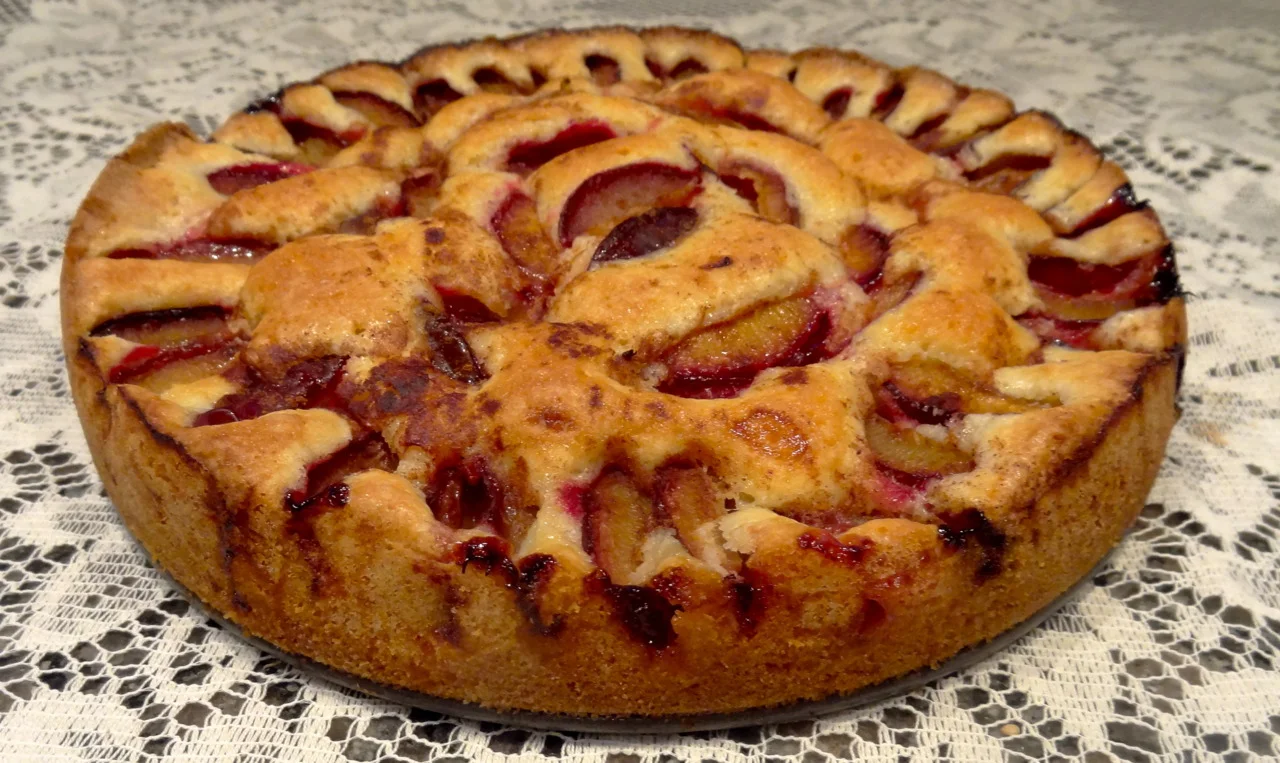
Because it’s one of the best of the best cakes to eat. No, don’t say you like chocolate cake or coconut cake better. Plum Torte serves an entirely different purpose. You can’t compare it to any other cake. It’s its own thing.

I have no idea why Plum Torte is a typical Rosh Hashanah-Yom Kippur Break-the-Fast dessert. Maybe it’s because those lovely little Italian prune plums needed for the recipe are in season at about the same time as the Jewish High Holidays. All I know is that this was one of THE desserts for the holidays even when I was a little girl.

There are dozens of recipes for it. Plum Torte is one of those recipes like apple pie. Everyone who bakes one does a little something different. The New York Times used to print their tried-and-true recipe every September. I’ve made that one and it is quite good. This one is even better. I just made two to freeze and reheat for my annual Break-the-Fast Saturday night:

Plum Torte

  • 1/2 cup unsalted butter

  • 3/4 cup plus one tablespoon sugar

  • 1 cup all-purpose flour

  • 1 teaspoon baking powder

  • 1/2 teaspoon finely grated lemon peel

  • 1/4 teaspoon salt

  • 2 large eggs

  • 15 prune plums, pit removed, quartered

  • lemon juice (about one tablespoon)

  • cinnamon (about 1/4 teaspoon)

Preheat the oven to 350 degrees. Lightly grease a 9-inch springform pan. In the bowl of an electric mixer, cream the butter and 3/4 cup sugar on medium speed for 3-4 minutes or until creamy and well blended. Add the flour, baking powder, lemon peel and salt and mix briefly to blend ingredients slightly. Add the eggs and beat at medium speed for 2-3 minutes or until smooth and creamy. Spoon the batter into the prepared springform pan. Arrange the plum quarters on top, pressing them slightly into the batter. Sprinkle the cake with the remaining tablespoon sugar. Squeeze some lemon juice over the cake and sprinkle with cinnamon. Bake for 55-60 minutes or until browned, set and crispy. Let cool.

Makes 8 servings


Braised Chicken with Dates

When I think about comfort foods I’m no different than most people. I’ll go for Macaroni and Cheese, Mashed Potatoes and Chocolate Pudding just like the next guy.

But my list also includes Chicken Fricassee. My mother made Chicken Fricassee with chicken wings, gizzards and necks. She included potatoes and little meatballs, lots of onions and sometimes mushrooms. She loaded it up with paprika, covered it and cooked it slowly for hours until there was a rich, russet gravy and chicken soft-as-you-know-what. 

That was good.

When my mother was much older and not well, I would make some for her and bring it to her house in a kind of comforting culinary role reversal. She loved Chicken Fricassee too.

This dish was such a regular when I was a child that when I became a Mom and my kids were young, I made it too. 

They hated it. Made fun of it. Wouldn’t eat it.

I still don’t get it.

But, it wasn’t something I made because what’s the point? If your family doesn’t like something you don’t cook it for dinner.

I did however, continue to make braised chicken. Which is actually, for most purposes except the strictest definition, the same as fricassee. My daughters did eat many of the newer versions. And one day Gillian actually called me out on it and said she knew it was fricassee only with different spices and no meatballs.

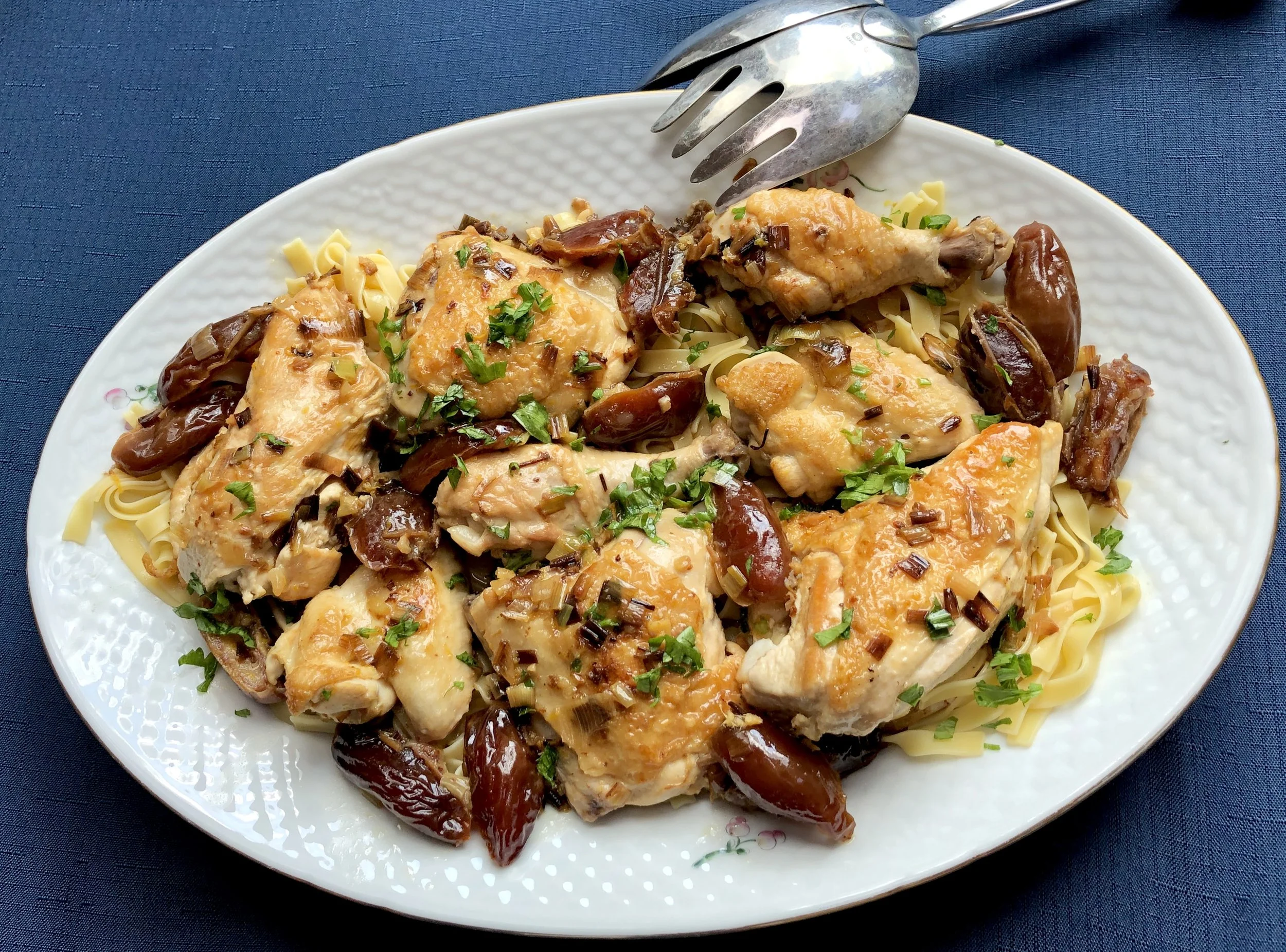
This is one of the recipes that proved to be a big winner. Call it Braised Chicken with Dates if the word fricassee is not a word you want to use in your house.

Braised Chicken with Dates

  • 1 cut up broiler-fryer chicken

  • 2 tablespoons olive oil

  • 1 large onion, sliced

  • 1 large clove garlic, chopped

  • 2 teaspoons chopped fresh ginger

  • 1/2 teaspoon ground cumin

  • 1/4 teaspoon cayenne pepper

  • 1/8 teaspoon freshly grated nutmeg

  • 1 cup chicken broth

  • 12 whole dates, preferably medjool

Rinse and dry the chicken and set aside. Heat the olive oil in a large saute pan over medium heat. Cook the chicken a few pieces at a time until they are lightly browned, about 8 minutes. Remove the chicken to a dish and set aside. Add the onion to the pan and cook for 2-3 minutes. Add the garlic and ginger an cook briefly. Return the chicken to the pan and spoon the onions on top. Sprinkle with the cumin, cayenne and nutmeg. Pour in the chicken broth. Stir the liquid, cover the pan and turn the heat to low-medium. Cook for 15 minutes. Add the dates and cook for another 10-15 minutes or until chicken is cooked through.

Makes 4 servings

Soft Matzo Brei

IMG_4290.jpeg

“There’s no French Toast during Passover.” That’s what I told my grandkids when they were here for a few days for Seders and sleepovers. They’re used to French Toast when they come to grandma’s house because I always have a spare challah in the freezer, or we make one and then have leftovers, and everyone on earth knows that the best French Toast is made with challah.

But never mind that. “Israeli Toast” is on the menu, is what I told them.

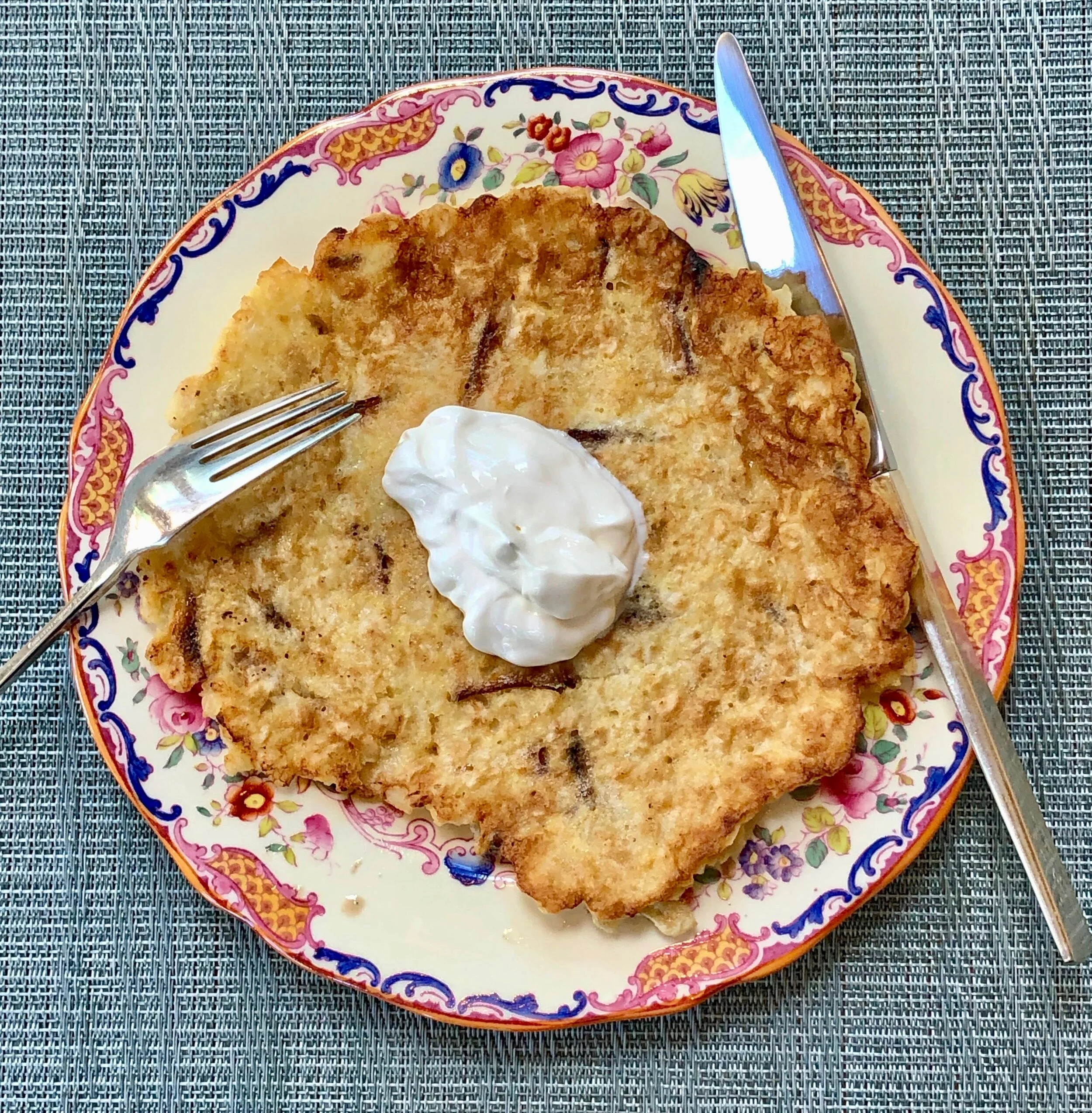
You know. Matzo Brei. It’s the same thing as French Toast but instead of using bread, you use matzo.

But here’s a dilemma. Topping for French Toast is easy: either maple syrup, cinnamon sugar or jelly. A lot of people do the same for Matzo Brei. But when I was a little girl my grandma served Matzo Brei sprinkled with salt and topped with a big blob of sour cream. Sometimes applesauce.

My husband Ed always thought this was weird. But it’s how I served it to my own daughters too, who think it’s weird to drizzle matzo brei with anything as sweet as maple syrup. If I had sour cream in the fridge, that’s what they would choose. But we’ve switched to fat-free Greek yogurt instead.

“Israeli Toast” or Matzo Brei is so easy to make. And a delicious switch from every other cereal-based breakfast. So if you want to give it a try, here’s my recipe:

Matzo Brei

  • 3 pieces of matzo

  • hot water

  • 2 large eggs

  • salt

  • butter

  • sour cream or plain Greek style yogurt

Break the matzot into small pieces into a bowl. Cover with hot water and let it soak until the pieces are soft. Drain any non-absorbed water, then squeeze the pieces to extract as much excess water as possible. Add the eggs to the soft matzo pieces and mix until the matzo and egg are well combined. Sprinkle to taste with salt. Heat the butter in a saute pan over medium heat. When the butter has melted and looks foamy, add the egg-matzo mixture. Cook for 2-3 minutes per side or until golden brown and crispy. Serve with sour cream or plain yogurt, or, if you must, with maple syrup.

Makes 2-3 servings

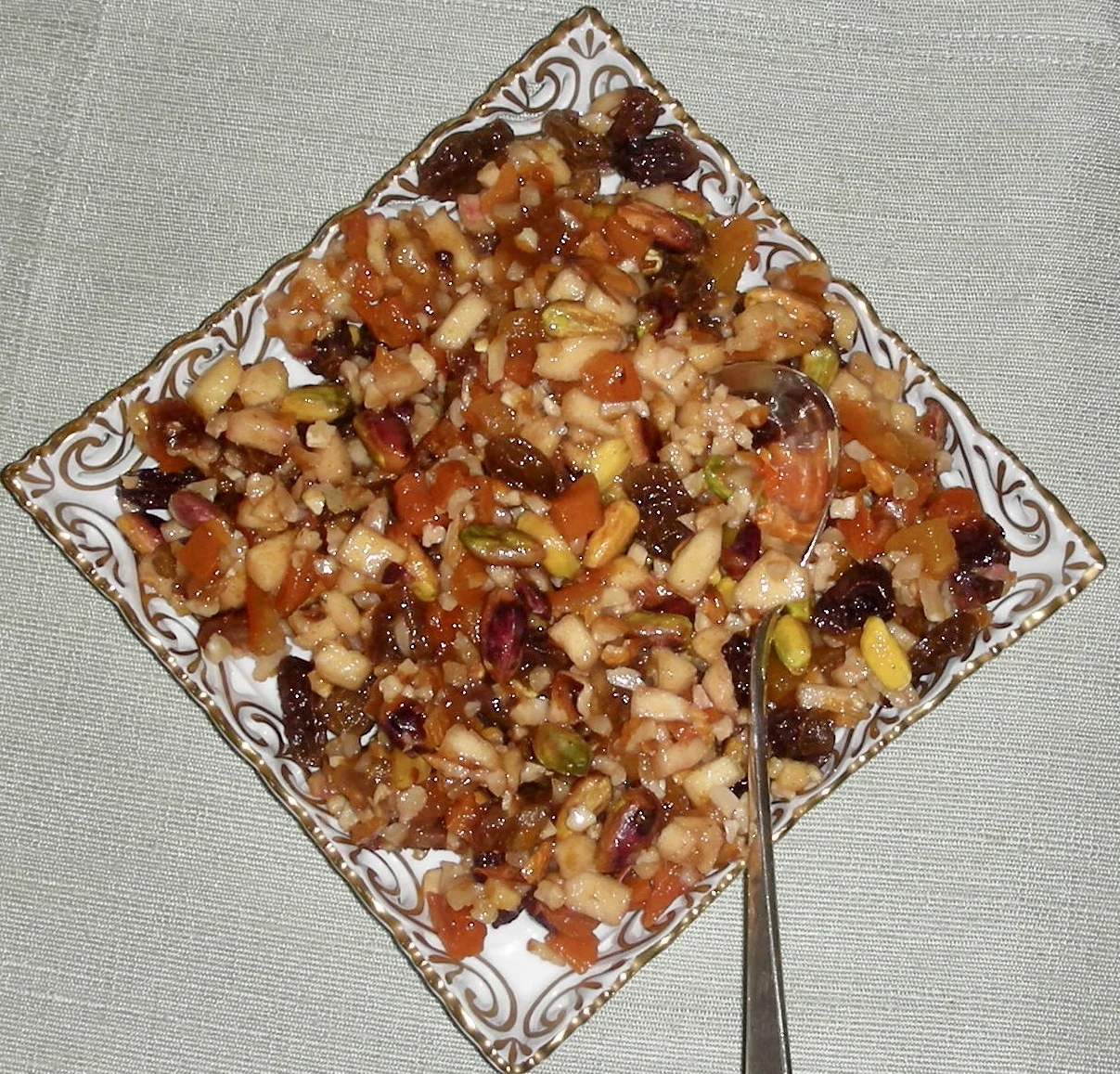
Haroset with Pistachios and Pepper

fullsizeoutput_a305.jpeg

Charoset (Haroset) is more than a blob of stuff that sits on the Passover Seder plate. Sure, we talk about it during the Haggadah reading. It’s there to symbolize the mortar used between the bricks that Jewish slaves used to build the pyramids for the ancient Egyptian pharaoh.

But it’s also food. In our family, another fabulous side dish, more like a relish, that we eat plenty of during the meal.

None of us ever really loved the old fashioned apple-wine mixture that most of us Ashkenazi Jews of Eastern European descent grew up with. It always tasted a bit sour and it got brown and ugly and besides, my daughter Gillian can’t eat walnuts and somehow almonds didn’t taste right in the mixture.

So, years ago I experimented with lots of recipes and found one I liked. It was a “Persian” recipe that I changed over and over until I got it the way I liked. At first my kids refused to eat it saying they would rather eat real mortar than this new charoset. But over the years they gradually came to love it and now insist they always did or at least can’t remember when they didn’t.

I double the recipe I am going to post here because it’s so good we eat a lot of it and besides, this relish lasts a while in the fridge so you can keep on having it all during Passover.

Haroset with Pistachios and Pepper

  • 1 cup chopped dried apricots

  • 1 cup chopped dates

  • 1/2 cup raisins

  • 1 cup shelled pistachio nuts

  • 1 cup chopped almonds

  • 2 tart apples, peeled, cored and chopped

  • 2/3 cup sweet red Passover wine

  • 1/4 cup apple cider vinegar

  • 2 teaspoons grated fresh orange peel

  • 2 teaspoons finely chopped fresh ginger

  • 3/4 teaspoon ground cinnamon

  • 1/2 teaspoon cayenne pepper

  • 1/2 cup orange marmalade

    Combine the apricots, dates, raisins, pistachio nuts and almonds in a bowl and toss ingredients to distribute them evenly. (You can prepare this much a week ahead). Add the apples, wine, vinegar, orange peel, ginger, cinnamon, cayenne and marmalade and mix ingredients. Let rest at least 4 hours before serving. May be made 3 days ahead.

Makes about 6 cups.