Potato Galette

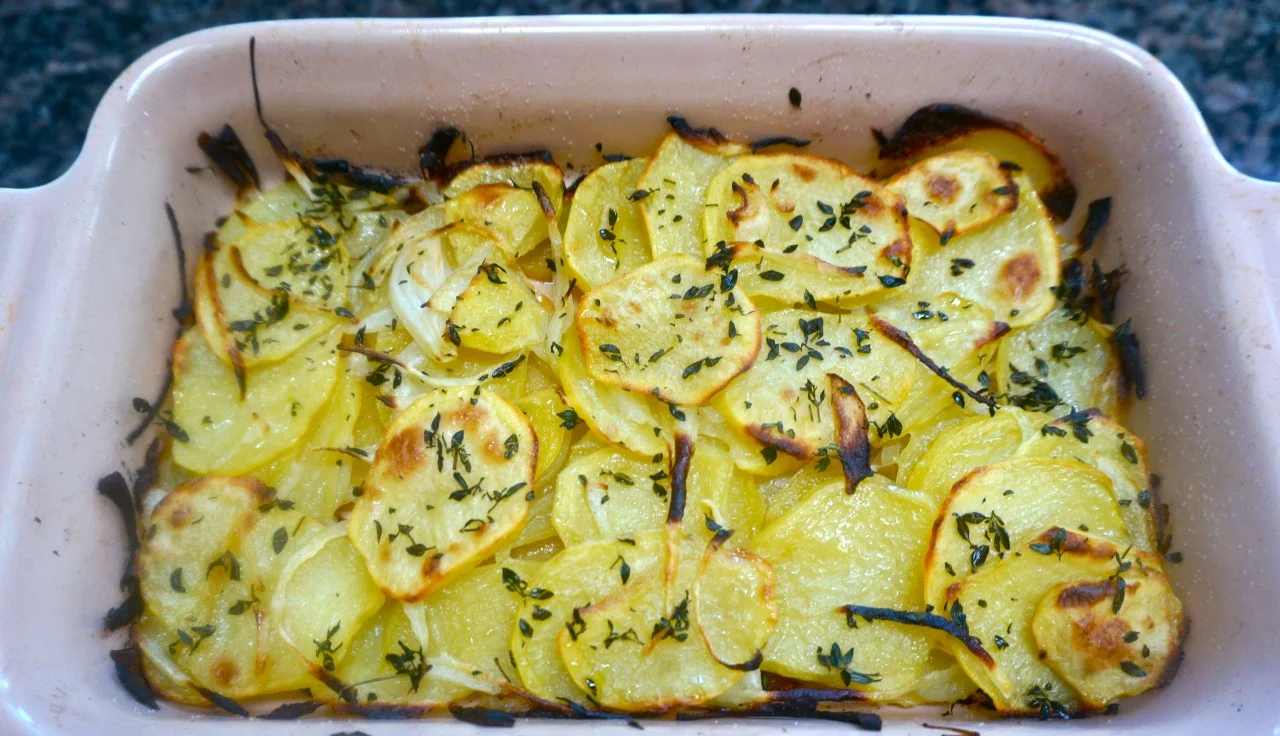
People say they get bored with potatoes during Passover, but I don’t. I could eat a potato in one way or another every day. It’s my “one food you would take to a desert island" food.Potato Galette sounds fancy, which makes it suitable for a festive …

People say they get bored with potatoes during Passover, but I don’t. I could eat a potato in one way or another every day. It’s my “one food you would take to a desert island" food.

Potato Galette sounds fancy, which makes it suitable for a festive holiday dinner. But it’s a very easy dish to make — essentially oven roasted “home fries” with onions. 

I use goose fat (frozen; rendered from the goose I roast for Hanukkah) but you can substitute chicken fat, margarine or vegetable oil. 

Here’s the recipe:                                                                                                                                                                                                               

Potato Galette

3 tablespoons melted goose fat, shortening or olive oil

2 tablespoons olive oil

2 pounds Yukon Gold potatoes

1 large Vidalia or Spanish onion

salt and freshly ground black pepper to taste

1 teaspoon chopped fresh thyme


Preheat the oven to 450 degrees. In a bowl, mix the goose fat and olive oil. Brush a film of this mixture inside a 13”x9” pan. Peel the potatoes and onion and cut them into thin slices. Wipe the potatoes with paper towels (to dry the surface). Place the potatoes slices in the bowl and toss them around to coat them with the fat. Place a layer of potatoes in the pan. Top with half the onions. Repeat layers. Sprinkle the ingredients with salt, pepper and thyme leaves. Bake for 35-40 minutes or until the potatoes are tender, crispy and browned on the surface.


Makes 4-6 servings


Tuna Patties with Lemon-Mayonnaise

There’s no gefilte fish at our house on Passover. My daughter Gillian is so allergic to fish that even the cooking vapors or opened cans/jars of fish can make her sick.
Also, we don’t like jarred gefilte fish. Maybe that’s a hereti…

There’s no gefilte fish at our house on Passover. My daughter Gillian is so allergic to fish that even the cooking vapors or opened cans/jars of fish can make her sick.

Also, we don’t like jarred gefilte fish. Maybe that’s a heretical thing to say, but, there, I’ve said it.

I’ve bought freshly made gefilte fish that Ed and I loved, from a market in Riverdale, but it’s too far from where I live to go there often.

I’ve made gefilte fish, back in the day, before Gillian was born. It’s a killer in terms of time and effort. 

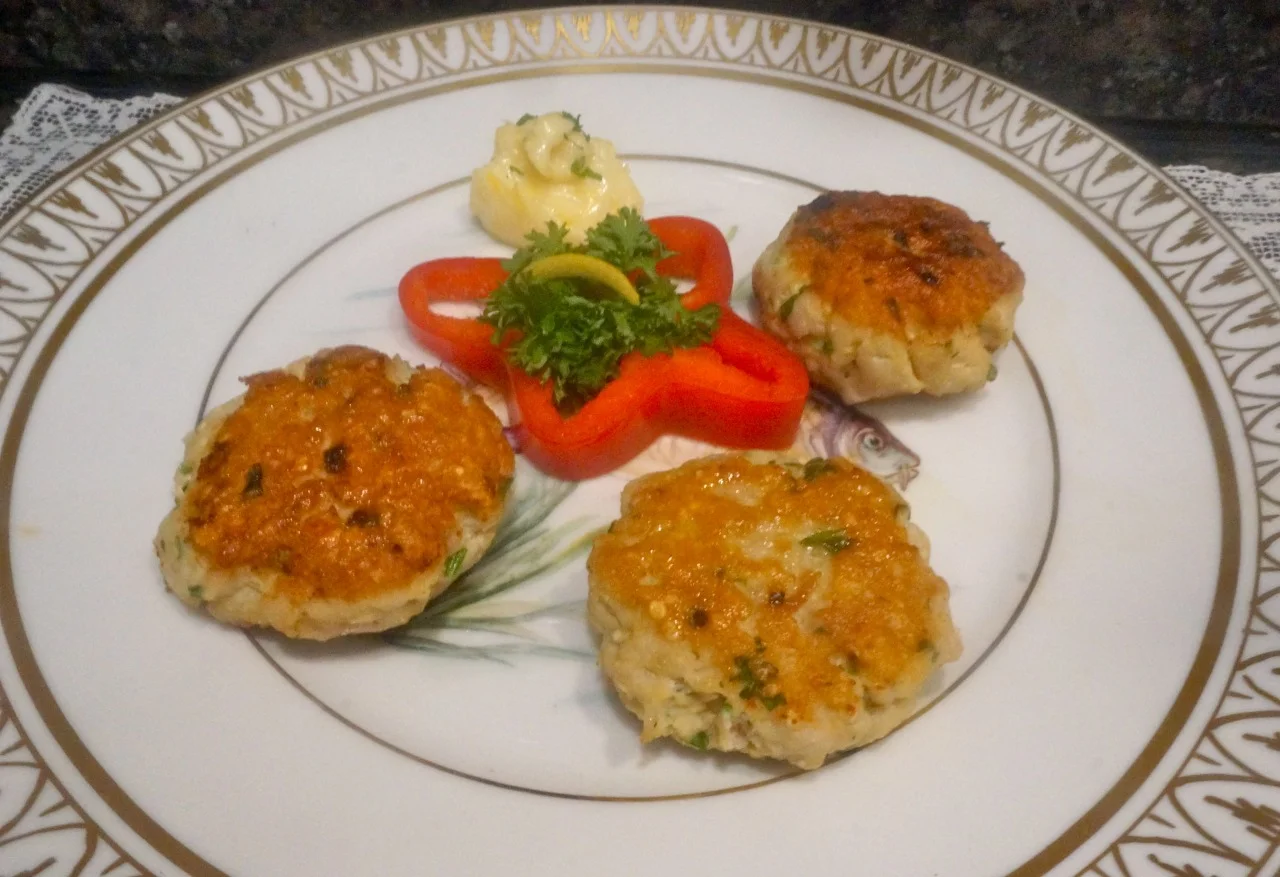
So, these days, if it’s not a family dinner and I can serve fish and need a good dish as an appetizer rather than main course, I make something like these tuna patties. They’re made of mashed fish mixed with seasonings, but unlike gefilte fish they don’t contain egg and matzo meal (but you can add some if you want fluffier patties). They’re sauteed, not poached. And I serve them with lemon-mayonnaise instead of horseradish.

Other than that they’re just like gefilte fish.

If you would like an alternative to gefilte fish, try these:

Tuna Patties with Lemon-Mayonnaise


3/4 cup mayonnaise

1 tablespoon finely grated lemon peel

1-1/2 pounds fresh tuna

2 tablespoons chopped fresh parsley

1 thick scallion, finely chopped

1 large clove garlic, finely chopped

1-1/2 teaspoons finely chopped fresh ginger

1 teaspoon finely chopped serrano or jalapeno pepper

salt and freshly ground black pepper to taste

1 large egg, optional

5-6 tablespoons matzo meal, optional

3-4 tablespoons vegetable oil


Mix the mayonnaise and lemon peel and set it aside. Chop the tuna into very fine pieces and place them in a bowl (you can use a food processor). Add the parsley, scallion, garlic, ginger, chili pepper and some salt and pepper to taste. Add the optional egg and matzo meal, if desired. Mix the ingredients thoroughly. Shape the mixture into 16-20 small patties. Heat the vegetable oil in a saute pan over medium heat. Cook the patties for 2-3 minutes per side or until lightly browned and crispy on both sides and cooked through. Serve with the lemon-mayonnaise.

Makes 8-10 first course servings

Celebrating Sharon Lurie and Passover with Mexican Matzo Salad

I love the internet. I love it for all the information I can find, sometimes instantly. I can get a recipe for Shakshuka, discover how to get chocolate stains out of a tee shirt or find out who won the Academy Award for best actress in 1987.
Mostly,…

I love the internet. I love it for all the information I can find, sometimes instantly. I can get a recipe for Shakshuka, discover how to get chocolate stains out of a tee shirt or find out who won the Academy Award for best actress in 1987.

Mostly, I can find old friends and make new ones.

I met Sharon Lurie because of the internet. She lives in Johannesburg, South Africa, halfway around the world from me in Connecticut. She’s a fellow food writer and cookbook author ("Cooking with the Kosher Butcher’s Wife" and "Celebrating with the Kosher Butcher’s Wife").

Someone I know gave me Sharon’s email address and when Ed and I planned our trip to South Africa earlier this year I emailed her out of the blue and asked if she’d meet me. She couldn’t have been more gracious. She and her husband invited us for Shabbat dinner, which we couldn’t accept because we had some birthday plans with our cousins who were traveling with us. But instead of saying “okay, maybe next time” Sharon came —bearing gifts — to visit us the next day at our hotel.

She brought a perfectly wonderful apron (which I have already splashed with tomato sauce, bread flour and other assorted food particles) and several hunks of Dry Wors (a salami-like sausage), Krakelwurst (like kielbasa) and Biltong (beef jerky, South African style), which the four of us gobbled and nibbled over the course of the next several days. She is the butcher’s wife after all!

Of course, she brought her two cookbooks (autographed). The recipes in the first book (“Cooking with …”) are proof that just because you come from a family of butchers it means you eat fancy meat all the time and also, just because the meat you eat is kosher it has to be boring, tough and dry as dust. So it includes such goodies as Stuffed Breast of Veal with Roasted Pumpkin and Spiced Sunflower Seeds as well as Lemon-Kicked Lamb Shanks.

The second book (“Celebrating with …”) focuses on the big Jewish holidays: Shabbat, Pesach, Shavuot, Rosh Hashanah, Sukkot, Chanukka and Purim.

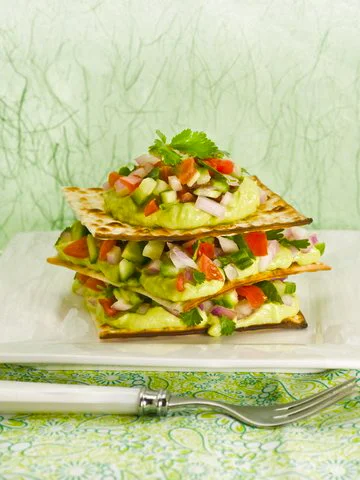
Both books have beautiful photos and easy recipes. And after reading through them since we got home, I’ve decided to add a couple of the “Celebrating with …” recipes to my Passover meals this year. Seder dinners can be huge food fests — mine usually are — which makes Sharon’s recipe for Mexican Matzo Salad a big winner because this salad is light, colorful and festive looking too. It fits perfectly into my menu. I’ve printed it below (using a few formatting changes from the original).

My thanks to the internet for allowing me to find a new friend.

My thanks to Sharon for your generosity, friendship, gifts and terrific recipes!

Mexican Matzo Salad (from “Celebrating with the Kosher Butcher’s Wife” by Sharon Lurie)

Garlic Matzo Strips

1/2 cup vegetable oil

1 teaspoon crushed fresh garlic

pinch of salt

4 matzos

Guacamole

2 avocados, peeled and chopped

2 tablespoons lemon juice

1 teaspoon crushed fresh garlic

salt and pepper to taste

Fresh Salsa

1 large red onion, peeled and chopped

2 medium tomatoes, chopped

1 bunch fresh coriander (cilantro), finely chopped

1 English cucumber, finely chopped

salt and pepper to taste

Preheat the oven to 180 degrees C (350 degrees F). To make the Garlic Matzo Strips, mix the vegetable oil, garlic and salt in a bowl and allow to stand for a few minutes. Paint each matzo with the garlic oil and place on a baking sheet. Bake for 5-10 minutes or until golden and crispy. Meanwhile, make the guacamole and salsa.

To make the guacamole, blend or mash together the avocados, lemon juice, garlic and salt and pepper to taste. Refrigerate until needed.

To make the salsa, mix the red onion, tomatoes, coriander, cucumber and salt and pepper to taste. Place the mixture in a colander or sieve and press to extract as much liquid as possible. 

Break the matzos in half and layer first with guacamole, then salsa (alternatively, you can serve the guacamole and salsa in separate bowls and have people serve themselves each to place on matzo strips).

Makes 6-8 servings
The Original Lamb Shanks with White Wine and Rosemary

How does a turkey neck pass for a shank bone?Let me just say this. On the first night of Passover my grandma didn’t want to roast a lamb shank just for the Seder plate. She thought it wasteful to leave meat out for so long and then have to throw it …

How does a turkey neck pass for a shank bone?

Let me just say this. On the first night of Passover my grandma didn’t want to roast a lamb shank just for the Seder plate. She thought it wasteful to leave meat out for so long and then have to throw it away.

And because she always made a turkey for the meal, well, its neck sort of had a shank-like shape didn’t it? So that was our “shank bone.”

No one ever questioned it. But years later, when I was the one hosting the Seders I decided to be more traditional. Besides, I learned that several of the local markets gave away shank bones (completely clean of meat) for Passover. First come, first serve of course, so you have to know the game and when to get there.

Besides, we like to eat that turkey neck, so I would think it wasteful to use it for the Passover Seder plate and then have to throw it away.

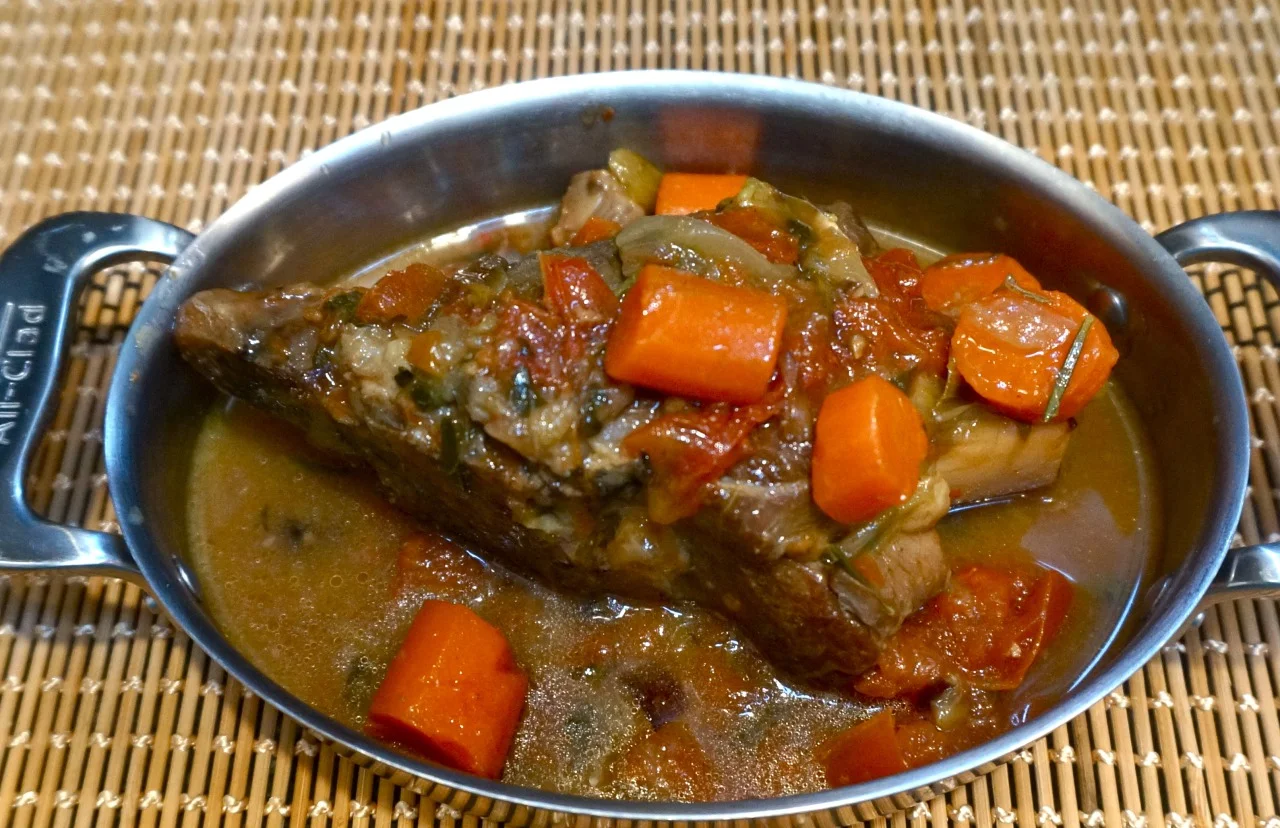
Of course lamb shanks are more than Seder plate symbols. They are soft, succulent and flavorful, especially if you slow-cook them, braised in wine or some savory stock and loaded with vegetables to accompany.

Some people do not eat lamb during Passover. But if you do, try these lamb shanks, which have a further benefit: you can prepare them 2-3 days ahead. Or make them some other time.

Lamb Shanks with White Wine and Rosemary


4 lamb shanks, about 1 pound each

2 tablespoons olive oil

4 large plum tomatoes, chopped

3 carrots, peeled and cut into chunks

1 onion, peeled and cut into chunks

1 leek, washed and chopped

2 cloves garlic, chopped

1 habanero chili pepper, deseeded and chopped

1-1/2 cups chicken stock

1 cup white wine

2 sprigs fresh rosemary

3 tablespoons chopped fresh parsley

salt and freshly ground black pepper to taste


Trim any excess fat from the shanks. Pour the olive oil in a large, deep sauté pan over medium heat. Add the shanks and cook them for 8-10 minutes, turning them occasionally, to brown all sides. Remove them from the pan and set them aside. Pour out all but about a tablespoon of fat from the pan. Add the tomatoes, carrots, onion, leek, garlic and chili pepper and cook for 2-3 minutes to soften the vegetables slightly. Pour in the stock and wine, mix the ingredients and bring to a boil. Place the shanks into the vegetable mixture and baste a few times. Place the rosemary sprigs and parsley in the pan, season to taste with salt and pepper and bring to a boil. Lower the heat to a simmer. Cook, covered, for 2-1/2 to 3 hours or until the meat is soft. Discard the rosemary sprigs. Serve the lamb as is, with the vegetables and pan fluids OR, puree the pan fluids with the vegetables and serve it as gravy with the meat.


Makes 4 servings

Roasted Salmon with Ataulfo Mango Salsa

They’re baaaaaack!

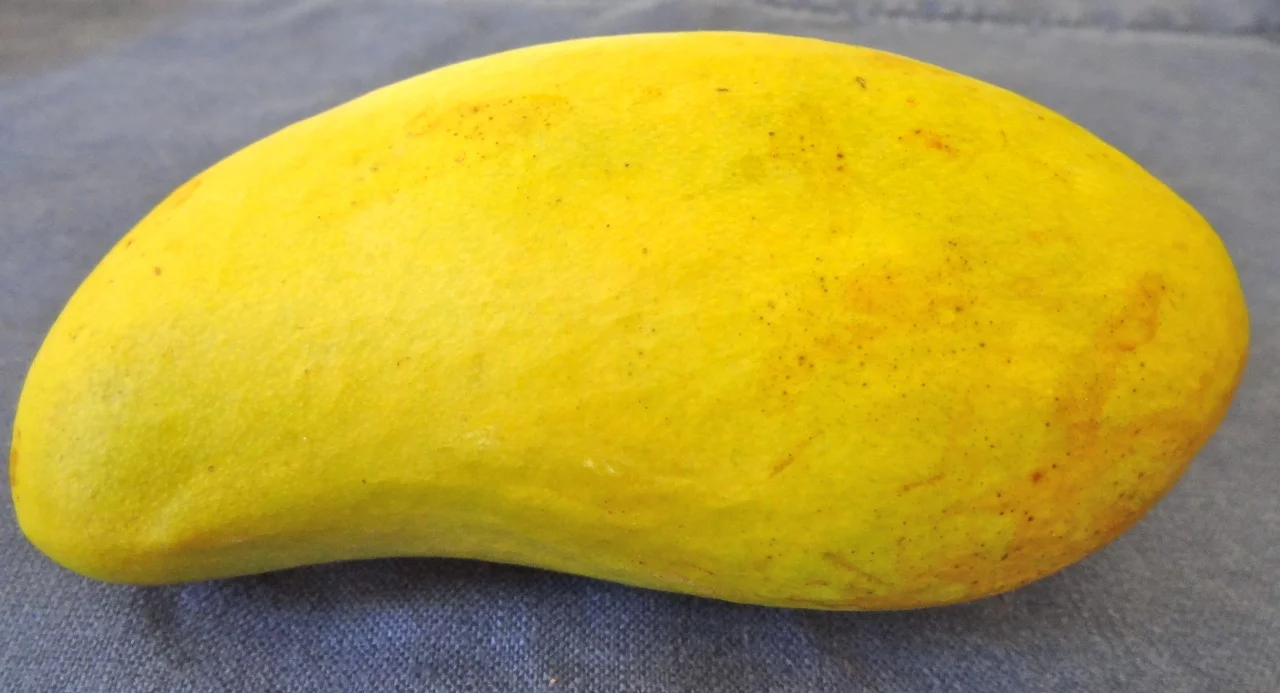
Ataulfo mangoes are back! (second photo). Sometimes they’re called champagne mangoes. 

If you haven’t ever eaten one, you’ve missed something very tasty, very special.

I like to eat them plain because they are so sweet and they’re not as fibrous as other mangoes. I’ve served them “carpaccio style.” 

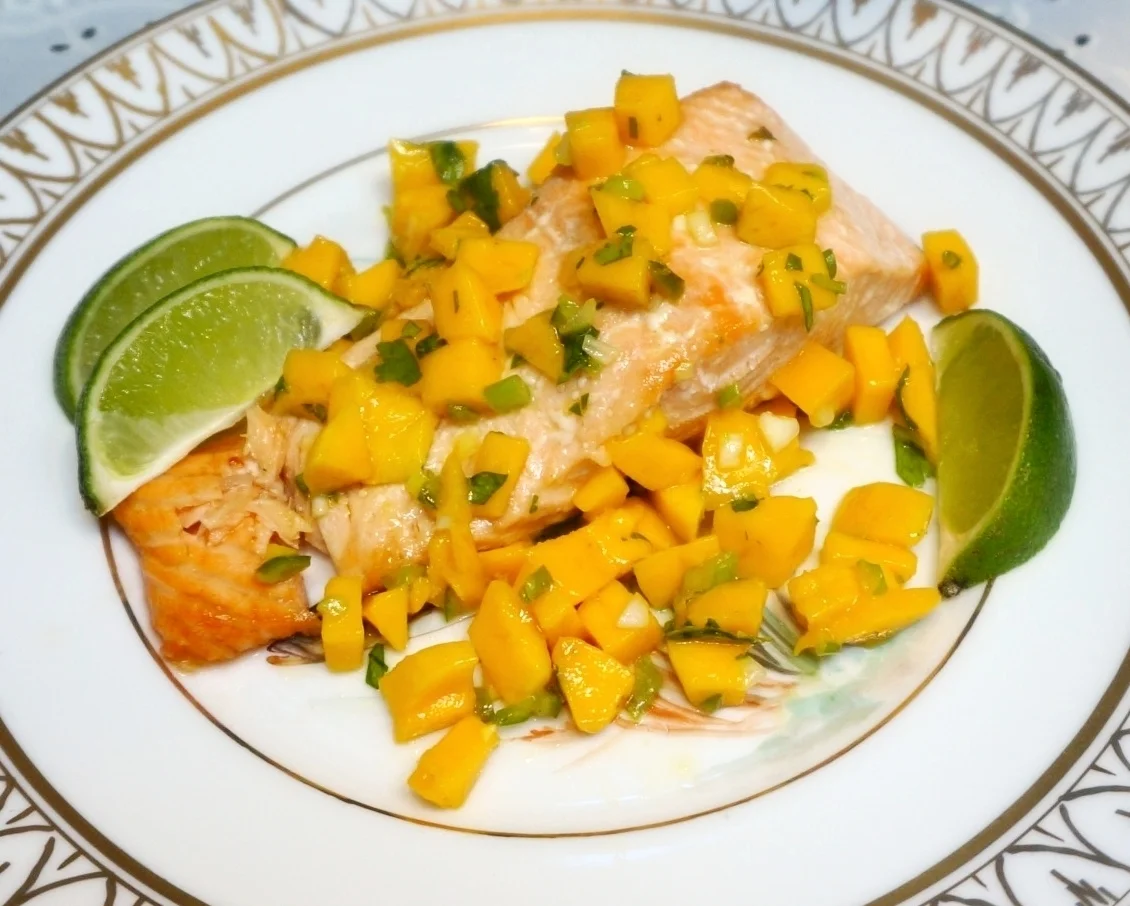
This week I cut them into salsa, to top roasted salmon. This is one of the easiest recipes I’ve ever cooked and would make a good alternative to jarred gefilte fish if you’re having a Passover Seder and need a fish course. But it’s a good bet any old other time too.

Roasted Salmon with Ataulfo Mango Salsa

  • 4 pieces salmon, each about 6 ounces, about 1-1/4 inches thick
  • 1-1/2 tablespoons olive oil
  • 2 ataulfo mangoes, peeled and chopped
  • 1 small Serrano pepper, deseeded and chopped
  • 1 medium scallion, chopped (or use 2-3 tablespoons chopped red onion)
  • 1 tablespoon chopped fresh cilantro
  • 1 tablespoon lime juice
  • sea salt

Preheat the oven to 475 degrees. Place the salmon in a baking dish. Brush the surface with 1/2 tablespoon of the olive oil. Roast for about 15 minutes or until cooked to desired doneness. Remove from the oven and serve with the salsa.

Make the salsa while the salmon is roasting: combine the mango, Serrano pepper, scallion and cilantro in a bowl and toss to distribute the ingredients evenly. Pour in the remaining tablespoon olive oil and the lime juice. Toss the ingredients. Sprinkle with salt to taste. 

Makes 4 servings

4 Bloggers Dish

Holidays are for traditional food right?

Well, yes and no. Even traditions change. Maybe more slowly, but they change. New people come into the family. Health issues arise. Someone is allergic to something. Someone else is on a gluten-free diet or has decided to be a vegetarian. Another one hates that old soup that’s been on the menu for ages.

So new recipes are welcome. Especially if those recipes are fresh and modern, easy to make and festive enough for the holiday table.

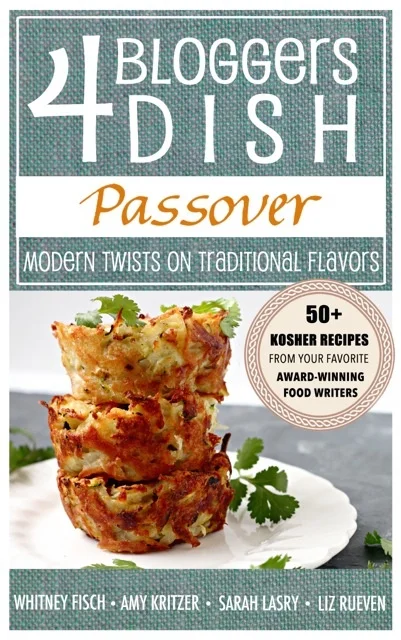
There’s a new e-book for Passover that has all that and more. It’s called 4 Bloggers Dish and it’s filled with recipes that work not only for the holiday but year round. There’s no way I am waiting for Passover to try the Zucchini Fries with Horseradish Aioli. Ditto the Asparagus with Anchovies and Lemon Dressing.

I know two of the bloggers — Liz Rueven and Whitney Fisch who put this book together. They’re wonderful cooks (as I know Amy Kritzer and Sarah Lasry are). They know food, they know flavor and their Passover recipes offer a whole new collection of dishes that conform to all the Passover dietary laws but bring the menu into the 21st century.

In addition to the recipes you’ll find tips, freezer instruction and notes on how to prepare some of the dishes ahead — a worthy and necessary bonus when you have zillions of other things to do.

Here’s one of Liz Rueven’s soup recipes. It’s a vegetarian version of traditional onion soup that you can prepare on the stovetop or in a slow cooker. It can be a dairy dish too, by including the cheesy matzah crackers.

French Onion Soup with Cheesy Matzah Crackers

Prep Time: 45 minutes. Cook:  30 minutes

Ingredients:

Soup:

4 tablespoons margarine

4 large Spanish (red) onions, peeled, cut in half and sliced thinly

6  cloves garlic, peeled: 2 whole, 4 chopped

1/3 cup dry red wine

8 cups organic vegetable broth

1 cup water

3/4 teaspoon freshly ground nutmeg

5 sprigs fresh thyme

3 bay leaves 

salt and pepper to taste

Directions:

Heat margarine in large pan on stovetop. Saute the onions over low heat, stirring only once or twice. Onions should be soft and caramelized in about 20-25 minutes. Add chopped garlic and cook another 5 minutes. Add red wine and simmer until the alcohol cooks off, about 10-15 minutes. Transfer onion mixture to large pot with a lid or slow cooker insert. Add vegetable broth, water, and all seasonings. On stovetop; simmer on low for 45 minutes, covered. In slow cooker: cook on High for 4 hours. When soup is finished, remove thyme sprigs and bay leaves.

Make matzah crackers

Ingredients:

3-4 matzah crackers per person

1 cup shredded mozzarella or other cheese of choice

paprika powder

a few sprigs of fresh thyme for plating

Directions:

Line a cookie sheet with foil. Place matzah crackers in a single layer on sheet. Sprinkle cheese on crackers. Shake a bit of paprika over the cheese for added color. Place pan under broiler and stay close by. Melt cheese until bubbly and remove tray from oven.

Ladle soup into bowls and top with cheesy matzah just before serving. Place a bit of fresh thyme in the center of each cracker.

Makes 8-10 servings

Prep Ahead Guide:  Onion Soup may be made 2-3 days in advance and will improve as flavors have time to meld. Re-heat in pot on stove .

Freezer Instructions: Freeze one month ahead, in airtight container, minus the croutons.

This recipe is vegetarian, Gebrokts. The broth is pareve. Adding the Cheesy matzah crackers makes it dairy. 


Yogurt Spice Muffins

When I was a little girl I heard a woman say she wanted to “clip coupons for a living.”I had no idea what that meant but later learned that she wanted to be rich and own lots of stocks and bonds and in those days apparently, in order to collect the …

When I was a little girl I heard a woman say she wanted to “clip coupons for a living.”

I had no idea what that meant but later learned that she wanted to be rich and own lots of stocks and bonds and in those days apparently, in order to collect the interest on a bond you had to physically clip an attached coupon and present it at the bank.

I clip coupons. Not the bond kind though. The supermarket kind. You know, $.50 off a carton of milk and so on. It won’t make me rich but it will save me some money.

And also it allows me to try new products that I might not have tried because I don’t have to pay the full price for them.

So I was happy the other day to get a few coupons for Maia yogurt, a new brand for me. Anyone who reads this blog knows I eat and cook with yogurt all the time, so this was a natural for me to try. I usually buy plain yogurt because I think the flavored ones are way too sweet. But I couldn’t find plain Maia and so I bought strawberry and vanilla.

I can tell you that as for eating out of hand these yogurts are very creamy and thick, but not at all starchy. The milk comes from grass-fed cows; the yogurts are completely gluten-free, GMO free and kosher.

Best of all, for me anyway, they are not cloyingly sweet. There’s much less sugar in these yogurts than in other brands. So they are good to eat as a snack and also to bake with, because the amount of sweetener won’t mess up a recipe meant to be prepared with unflavored yogurt.

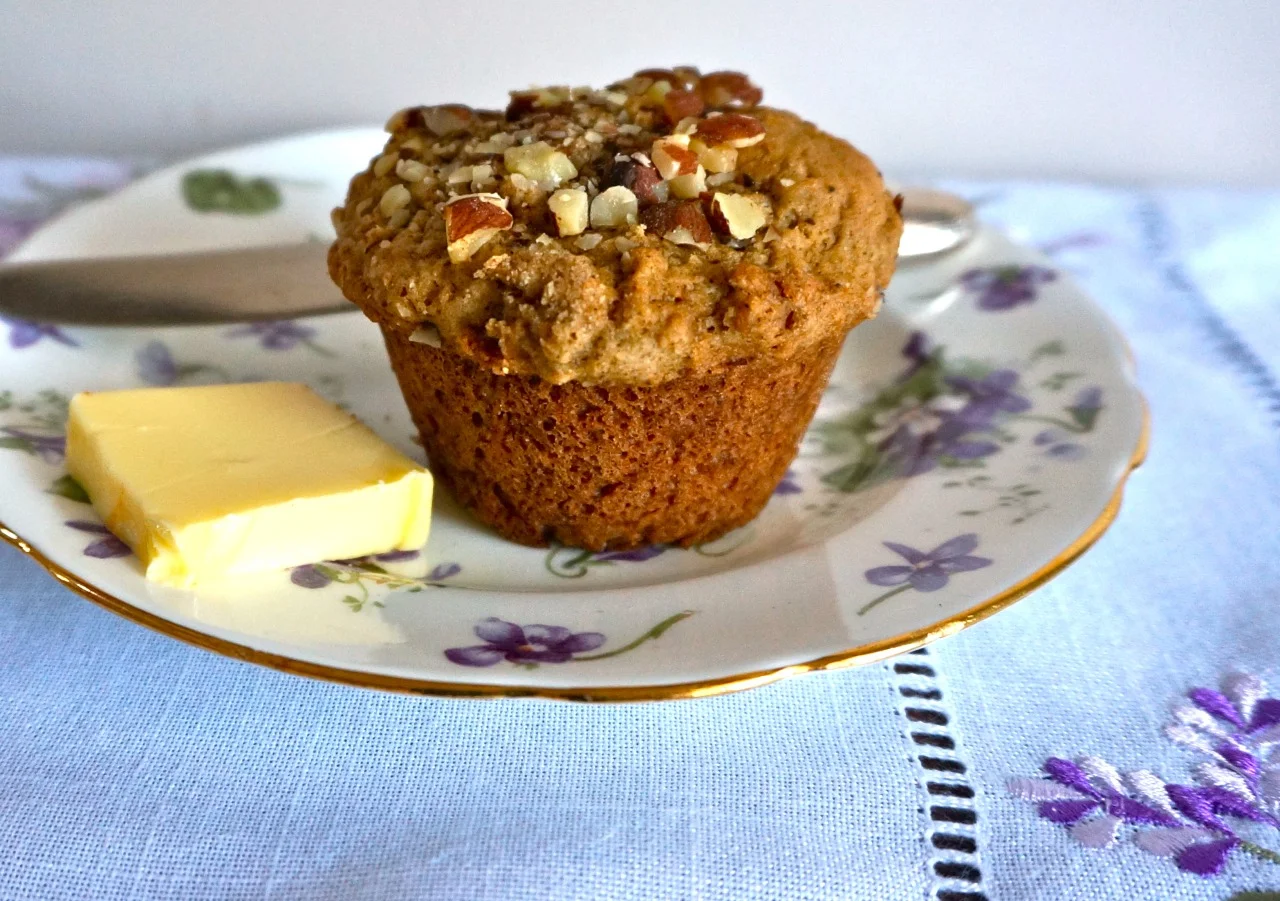
For example in these Yogurt Spice Muffins.

Also, click on this coupon link so you can try it for yourself.

NOTE: the recipe calls for a full cup of yogurt (more than one container)

Yogurt Spice Muffins

5 tablespoons butter

1-1/2 cups all-purpose flour

3/4 cup brown sugar

1-1/2 teaspoons baking powder

1 teaspoon baking soda

1/2 teaspoon salt

1 teaspoon ground cinnamon

3/4 teaspoon freshly grated nutmeg

1/2 teaspoon ground allspice

1/2 teaspoon ground cloves

2 large eggs

1 cup Maia vanilla yogurt

1/2 teaspoon vanilla extract

sugar or finely chopped almonds for garnish, optional

Preheat the oven to 375°F. Butter and flour 10-12 muffin cups. Melt the butter and set aside. Whisk the flour, brown sugar, baking powder, baking soda, salt, cinnamon, nutmeg, allspice and cloves in a bowl. Set aside. In another bowl whisk the eggs, yogurt, melted butter and vanilla extract together until thoroughly blended. Fold the yogurt mixture into the dry ingredients until just blended. Do not overmix. Spoon the batter into the prepared cups. Sprinkle tops with sugar or almonds, if desired. Bake for about 18 minutes or until the muffins are set and lightly browned. Let cool in the cups for 5 minutes then invert onto a cake rack to cool completely. Makes 10-12

Beet Salad with Baby Arugula, Red Onions and Horseradish Vinaigrette

Jonathan Swift once said that it was a brave man who first ate an oyster.

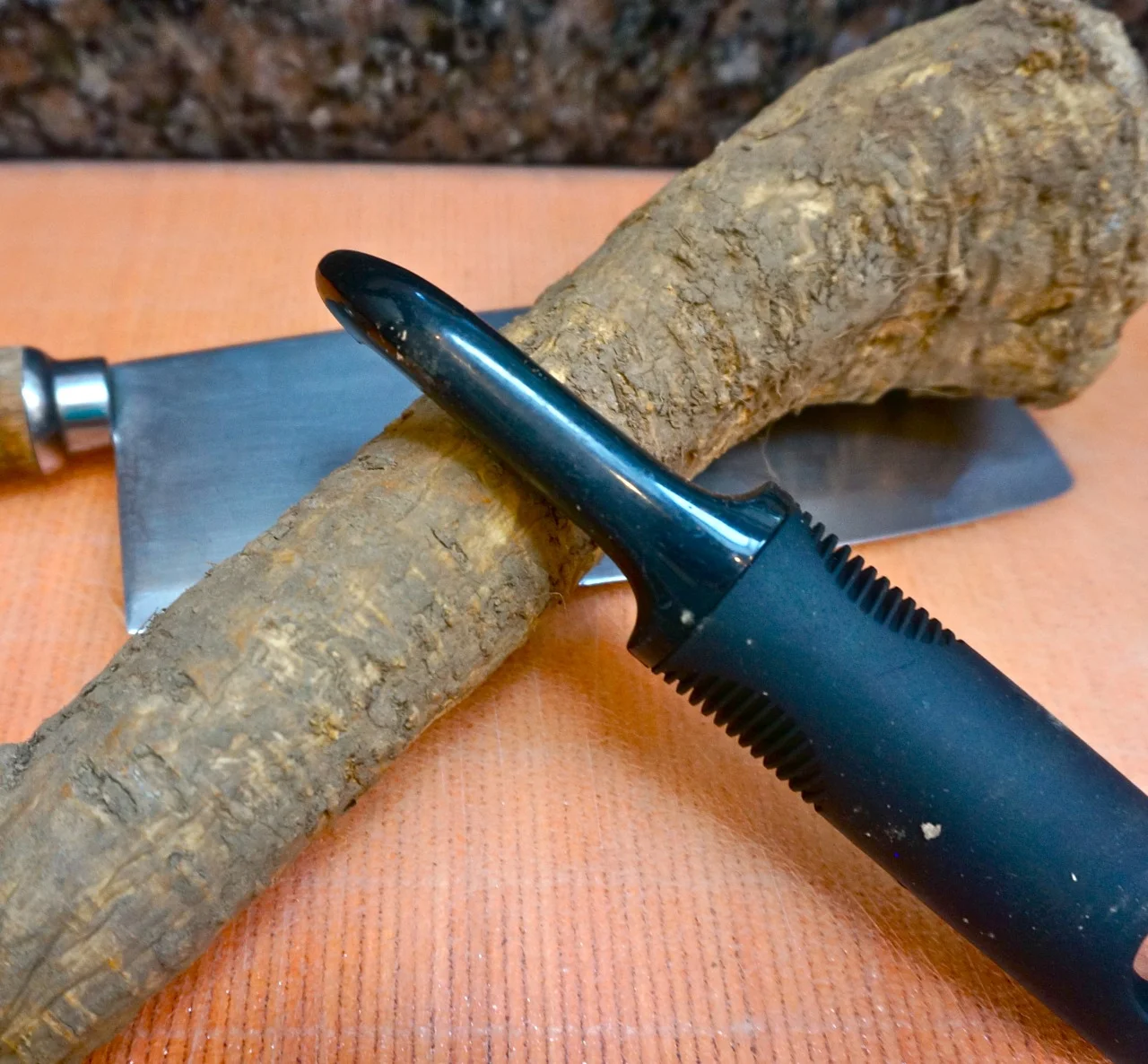
I’ll say something similar for horseradish. Whoever first tried it must have been awfully hungry. Horseradish is truly ugly, with an irregular shape and knobby bumps and hairy tendrils growing out of it. So it isn’t as if that brave soul couldn’t have resisted.

In addition, once you get through horseradish’s mottled, uneven, earth-colored peel you meet up with knock-you-over vapors so strong and pungent that they irritate your eyes and make your nose run. 

Well, whoever that was, I’m sure glad he/she did.

Horseradish is a wonder. I always have some in the house. So many things to do with it:

mix it with ketchup for homemade cocktail sauce

mix it with butter for use over steamed veggies

mix it with plain Greek yogurt for sauce over roasted salmon

mix it with creme fraiche as a topping for vegetable hash or frittata

And zillions of other things.

But horseradish makes a special presence during Passover, first as the bitter herb at my Passover table and second, as a replacement for the Dijon mustard that at other times is key to the vinaigrette dressings I use over salad.

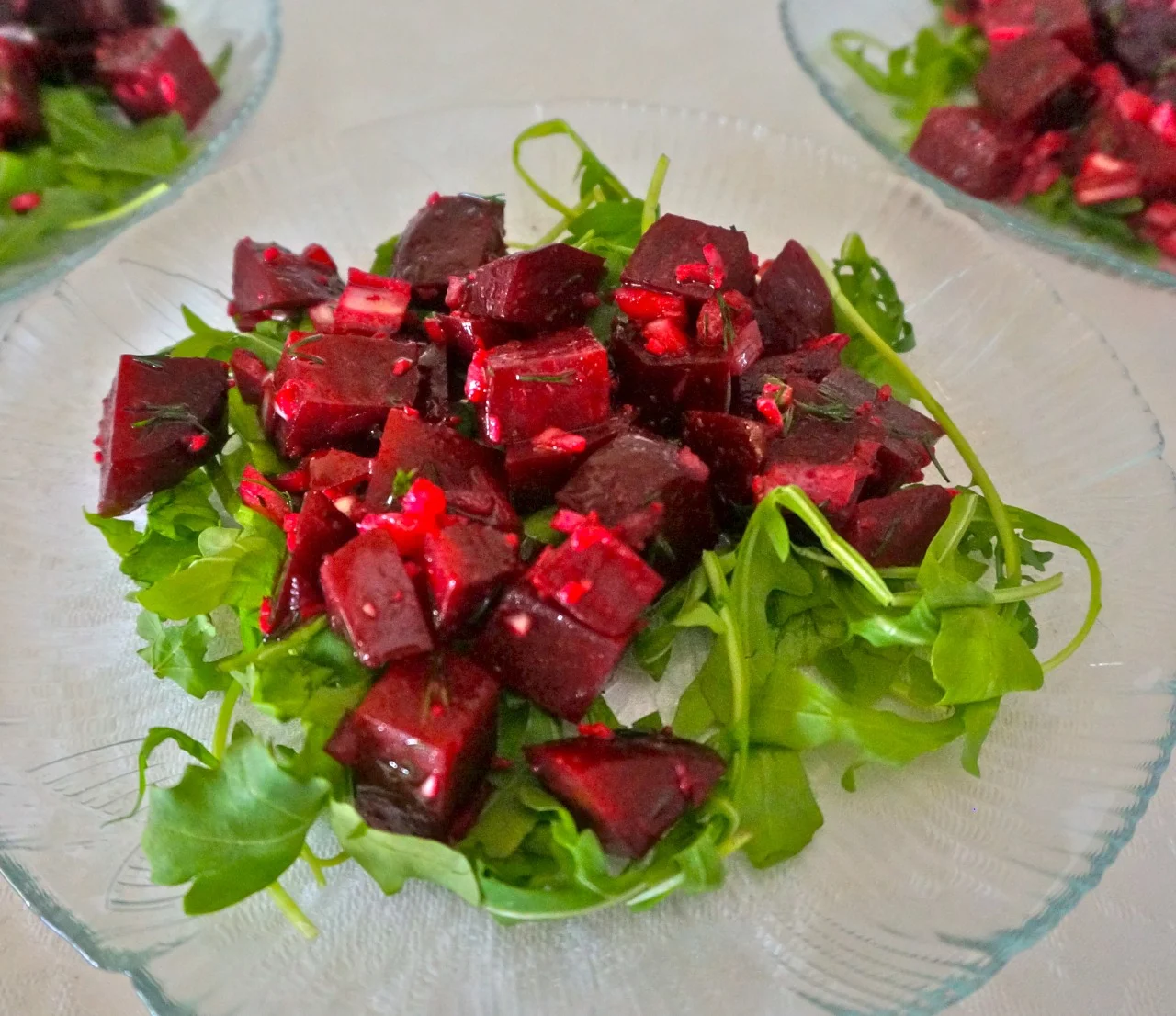
For example, this Beet Salad with Baby Arugula. I often serve beet salad at my Seder in place of the fish course (because my daughter Gillian is allergic to fish). The recipe here is this year’s edition.

Beet Salad with Baby Arugula, Red Onions and Horseradish Vinaigrette

  • 6 medium beets

  • 1/4 cup chopped red onion

  • 1 tablespoon freshly grated white horseradish

  • 1 tablespoon chopped fresh dill

  • 3 tablespoons olive oil

  • 2 tablespoons apple cider vinegar

  • salt and freshly ground black pepper to taste

  • 3 cups packed baby arugula

Preheat the oven to 425 degrees. Scrub and trim the beets, cutting away the greens, if any. Wrap the beets tightly in aluminum foil and roast for about one hour or until the beets are tender. Remove the packet from the oven, open the foil and let the beets cool. Peel the beets, cut them into bite-size pieces and place in a bowl. Add the onions, horseradish and dill and toss the ingredients. Pour in the olive oil and cider vinegar and toss the ingredients. Season to taste with salt and freshly ground black pepper. Place equal amounts of arugula on each of 6 plates. Arrange the beet salad ingredients on top. Let rest for at least 15 minutes before serving.

Makes 8 servings

An InLinkz Link-up

Dairy-free Irish Soda Bread

I love Irish food. Loved it even before we actually tasted it for real in Ireland on our trip there several years ago.

I love the salmon. The boxty potato cakes. Guinness-laced beef stew. Scones.

And especially the soda bread.

The problem with soda bread though is that it’s usually made with buttermilk. So if you’re kosher and don’t eat dairy products at a meat meal, or if you have food sensitivities or allergies to dairy, you can’t have any.

Unless of course you have a very good dairy-free recipe. 

Which I do!

Here it is:

Dairy-free Irish Soda Bread

  • 3-1/2 cups all-purpose flour

  • 1 tablespoon brown sugar

  • 3/4 teaspoon salt

  • 1 teaspoon baking soda

  • 1-1/2 cups water

  • 1 tablespoon cider vinegar

  • 1/2 cup raisins

  • 1 teaspoon caraway seeds (optional)

Preheat the oven to 350 degrees. Lightly grease a baking sheet. Mix the flour, brown sugar, salt and baking soda in a bowl. Add the water and cider vinegar and mix the ingredients into a soft dough. Work in the raisins with your hands. If you use the caraway seeds, work them in at the same time as the raisins. Lightly flour a pastry board or a clean work surface. Knead the dough on the floured surface 18 to 20 times. Use more flour on the board if the dough seems sticky. Shape the dough into a ball, and then flatten it slightly. Cut a small “X” on the top with the tip of a sharp knife. Place the dough on the baking sheet and bake for 40 to 45 minutes or until golden brown.


(for dairy bread: use 1-1/2 cups buttermilk instead of the water plus cider vinegar)